

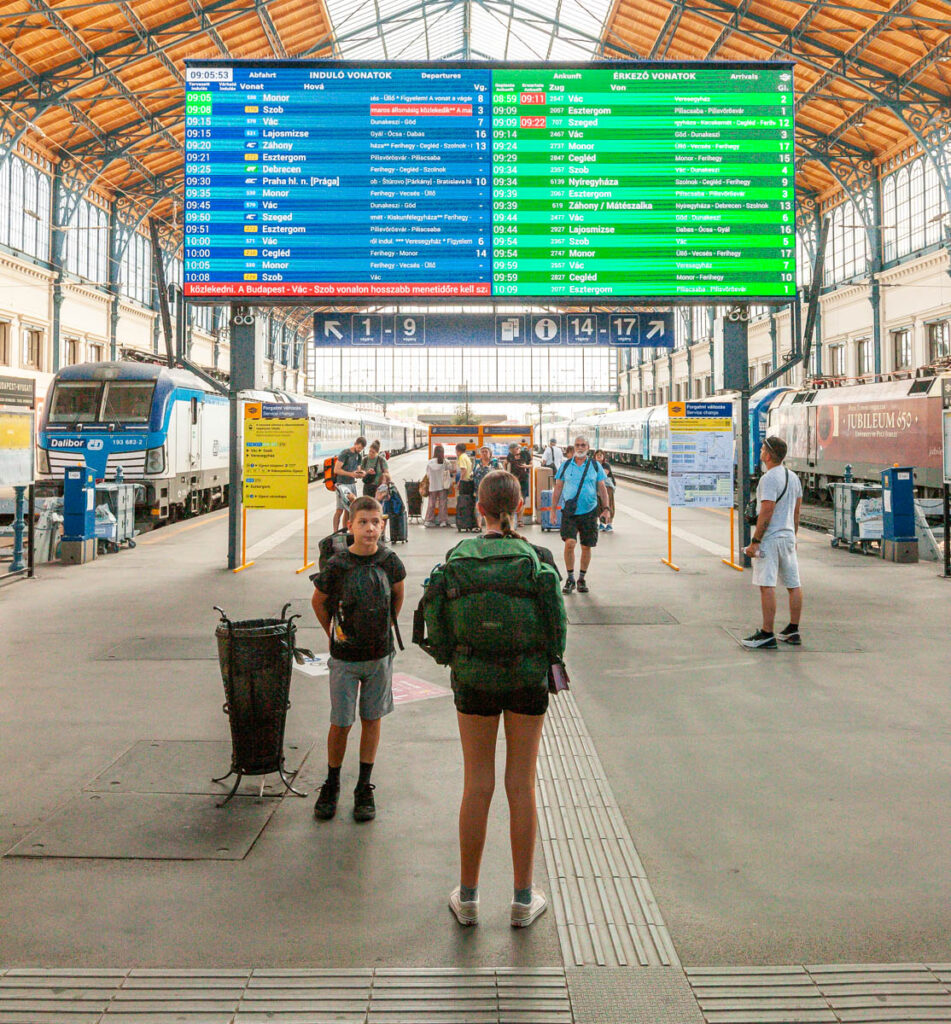
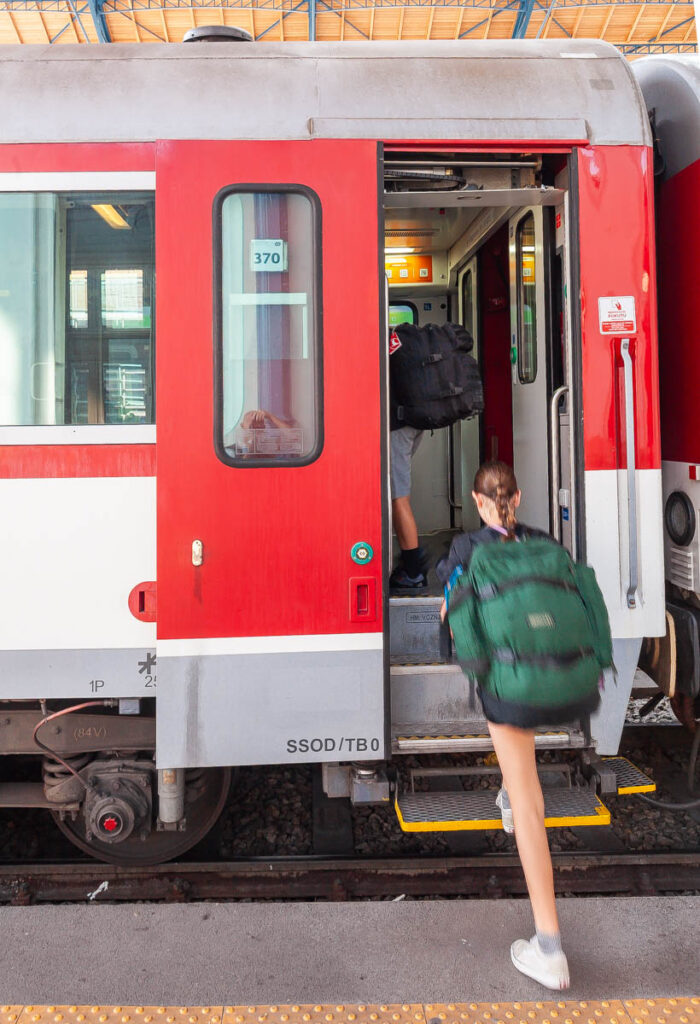
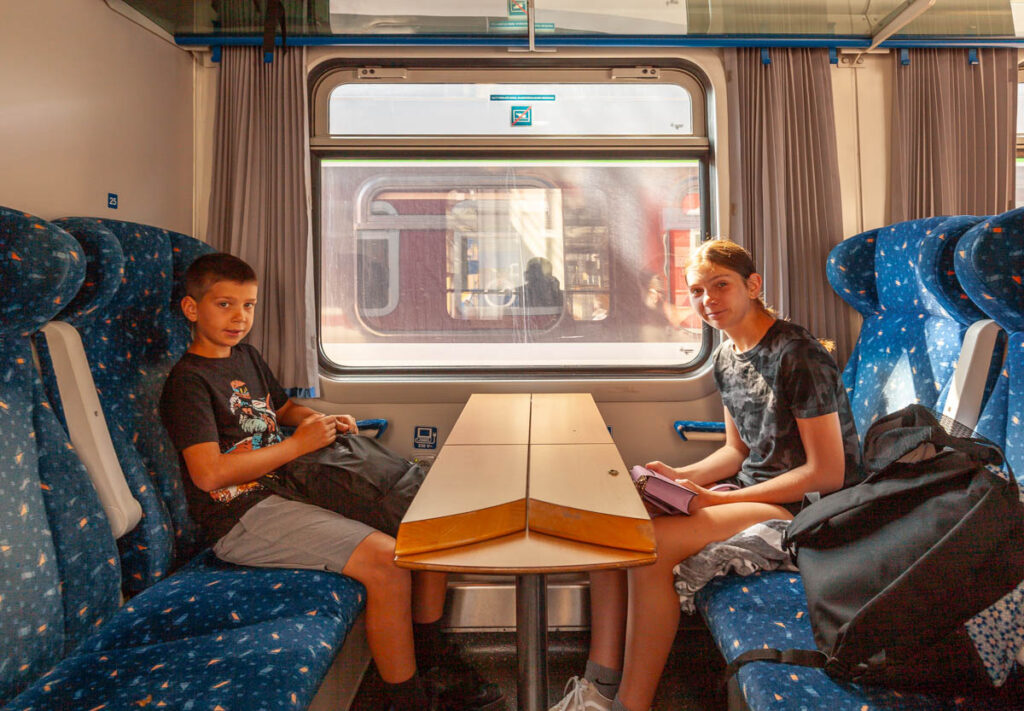
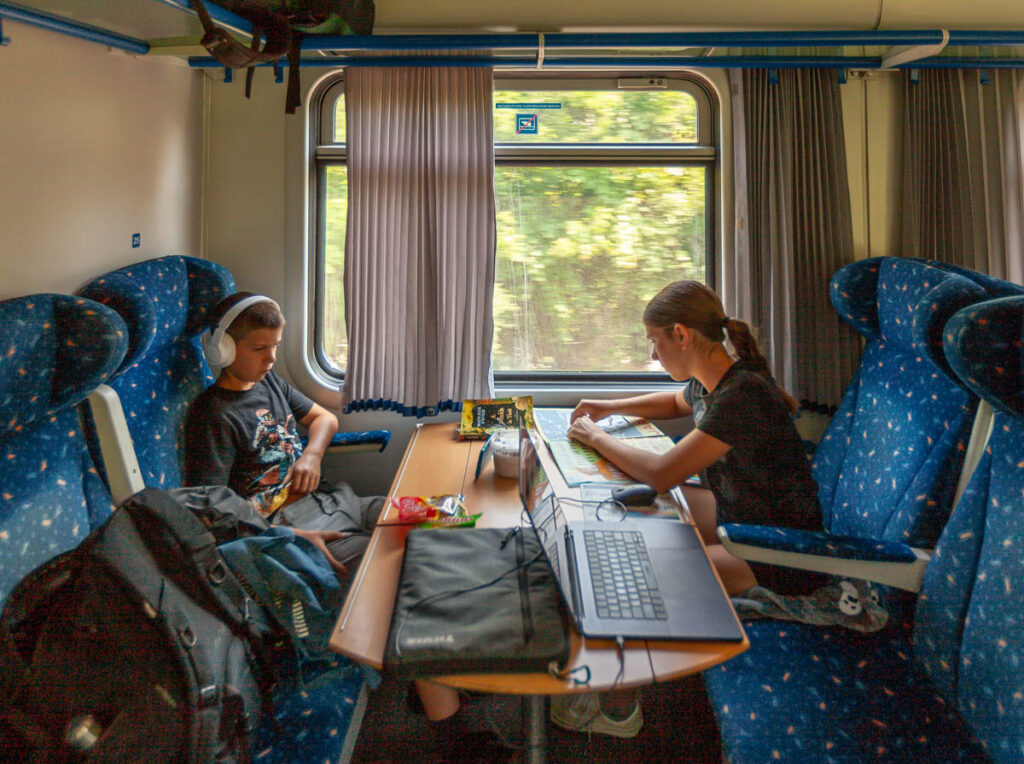
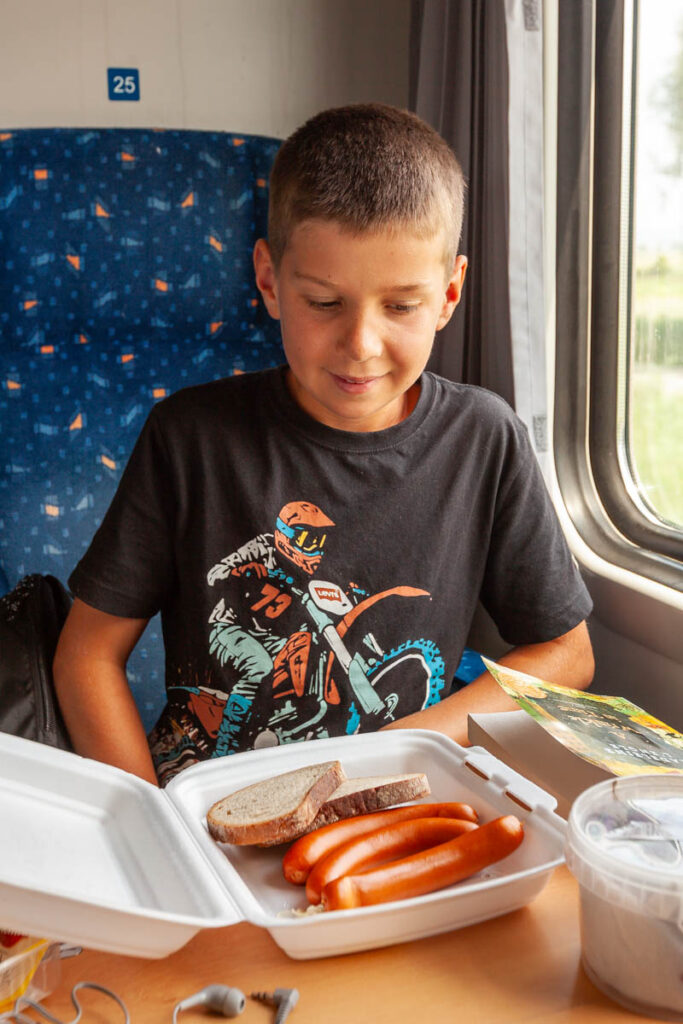
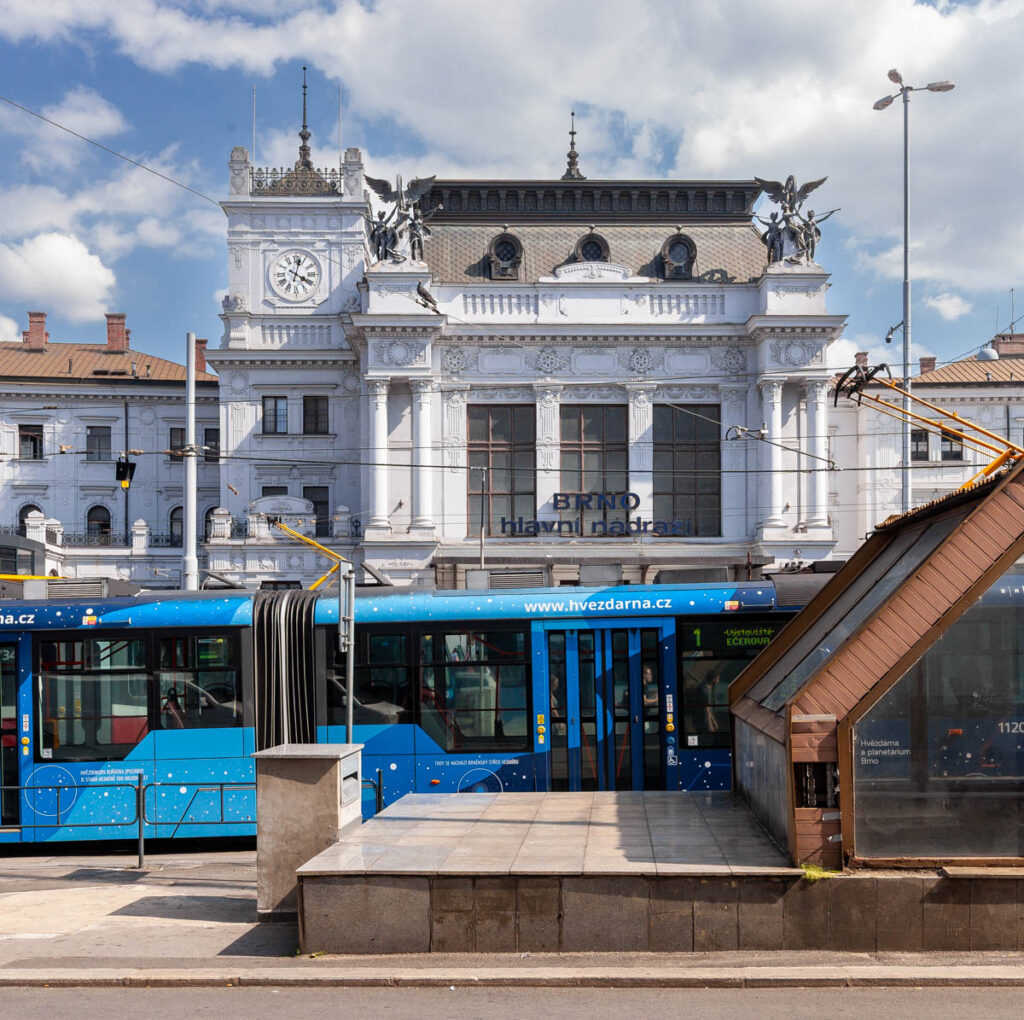
I do love traveling around Europe by train. It’s so easy rolling into the station a few minutes before departure, no security checks, hop into assigned seats and relax while cruising across the continent. The train we hitched out of Budapest was a mellow four hour journey across the countryside of northern Hungary, into Slovakia with a quick stop in Bratislava and then on to Brno in southern Czechia. I bribed Max with a dose of screen time in exchange for 30 minutes of reading his book, while Miss Lilia was content to catch up on her sticker book and watch over my shoulder as I wrote about our time in Budapest.
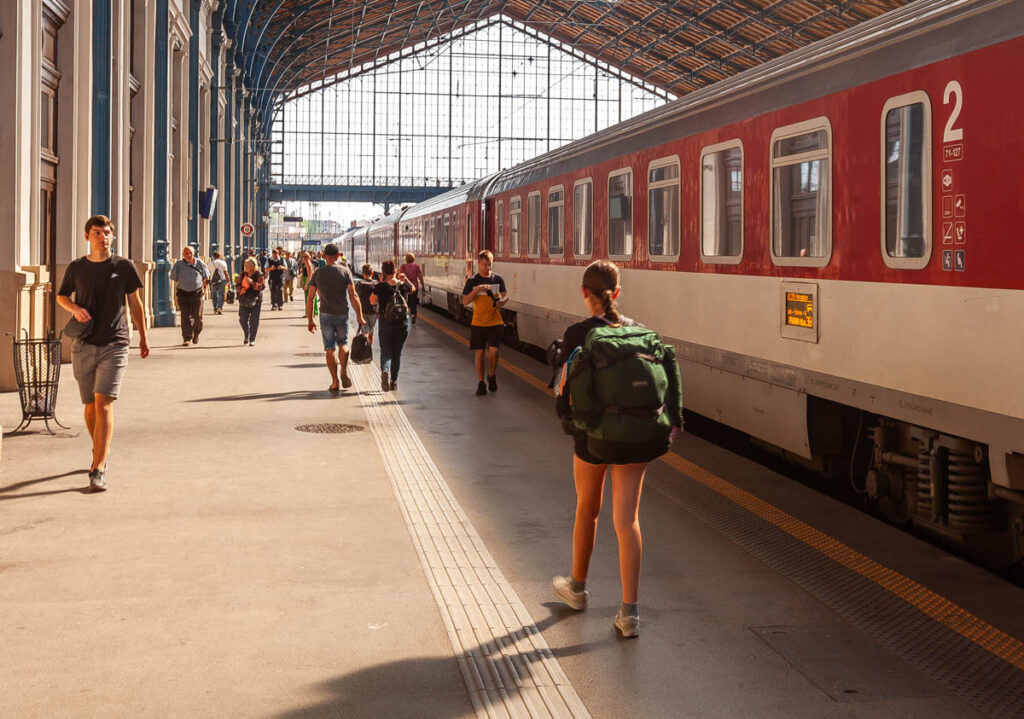
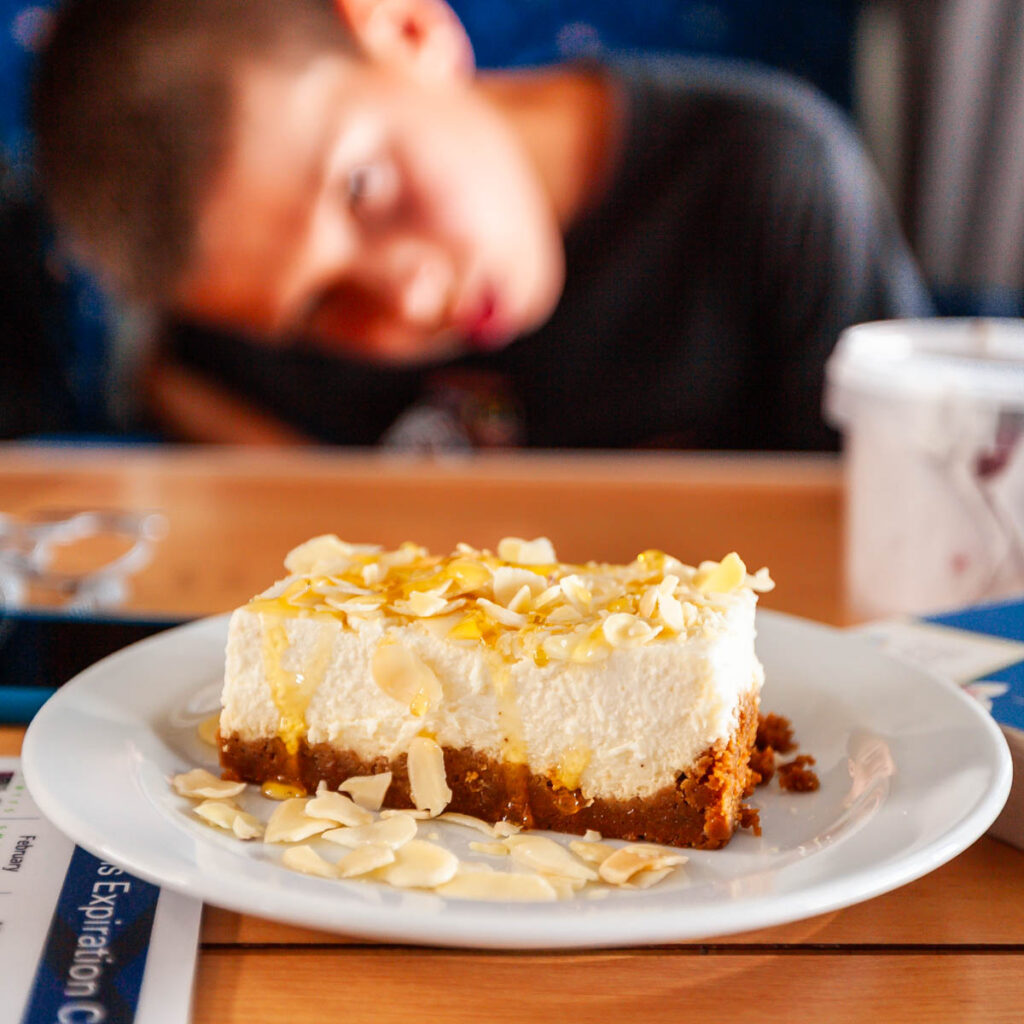


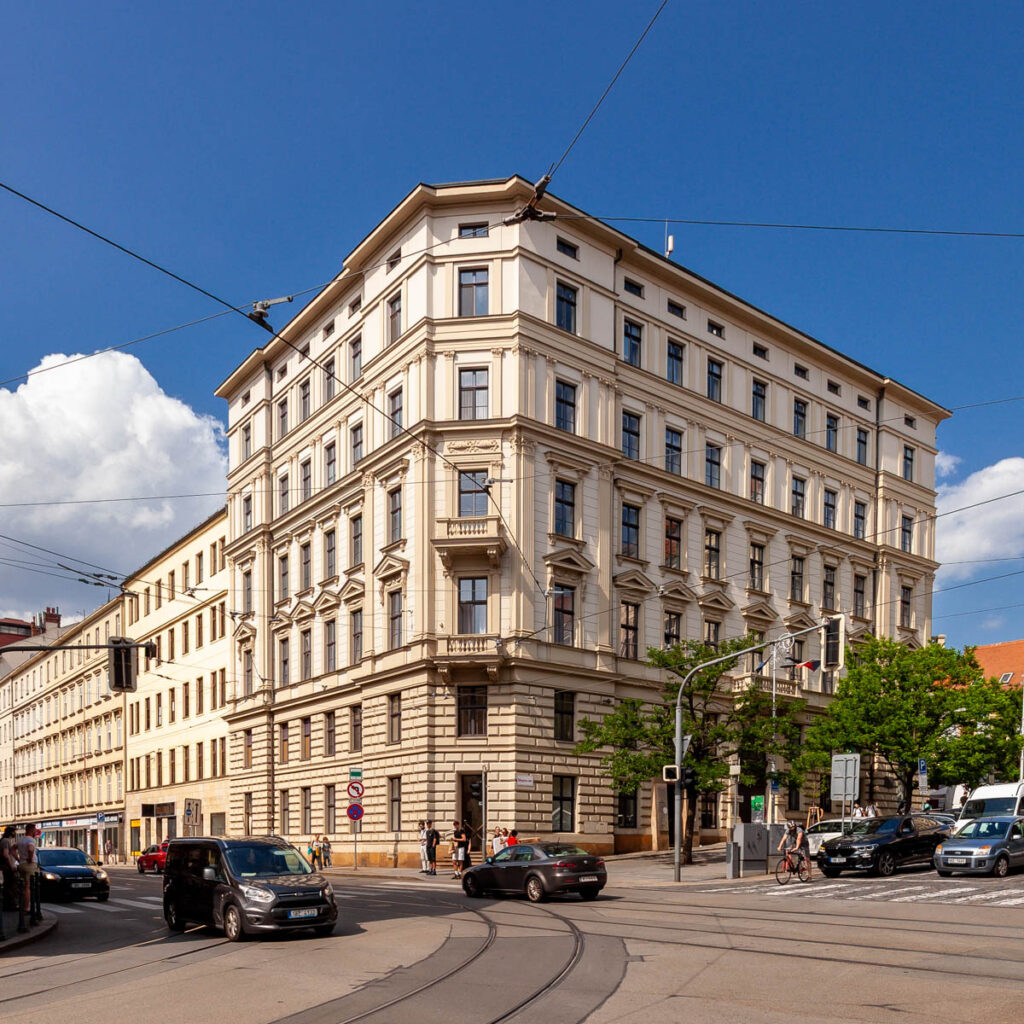
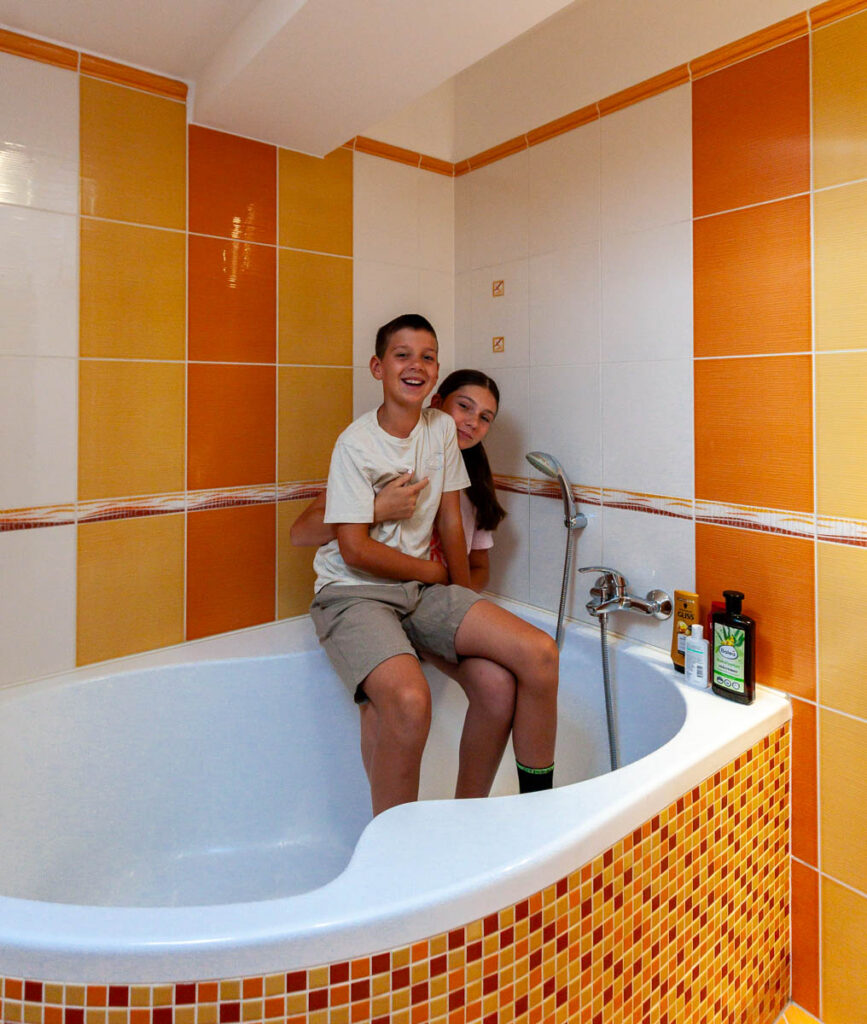
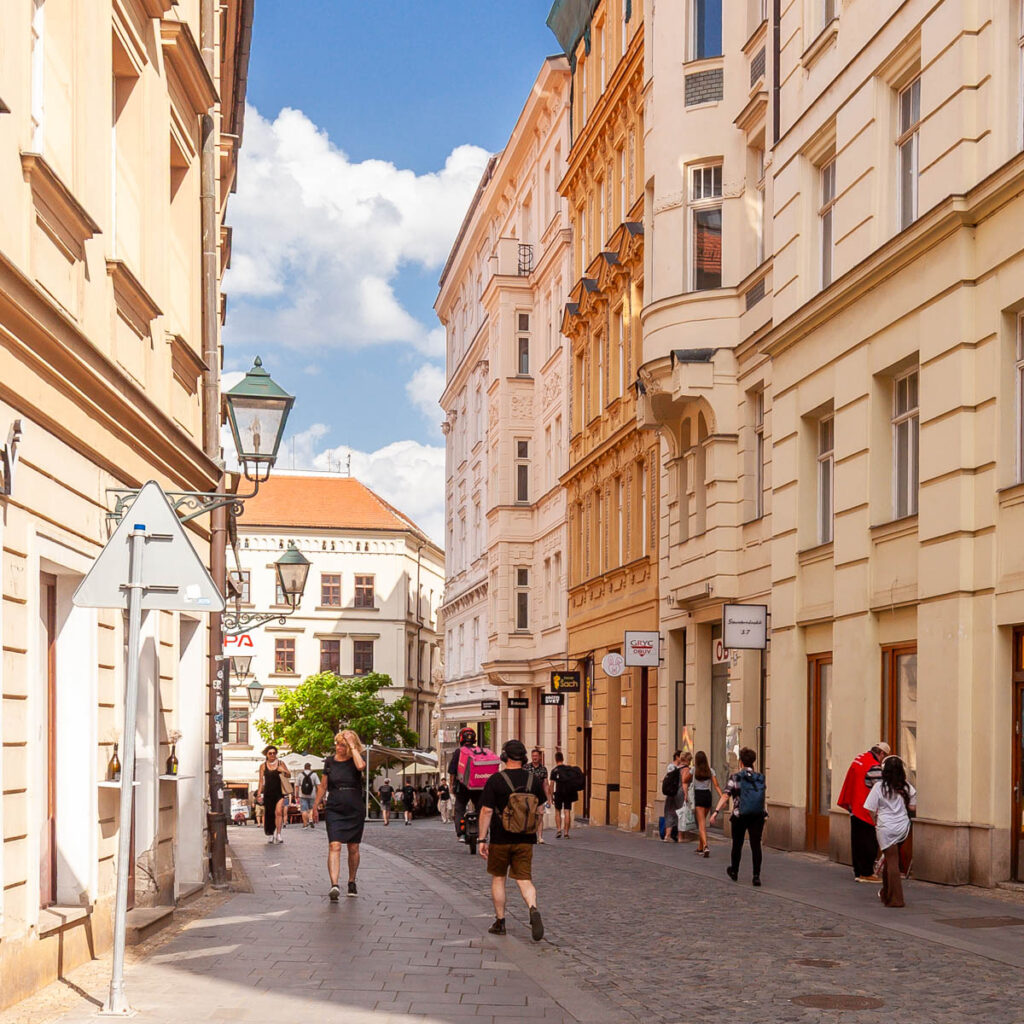
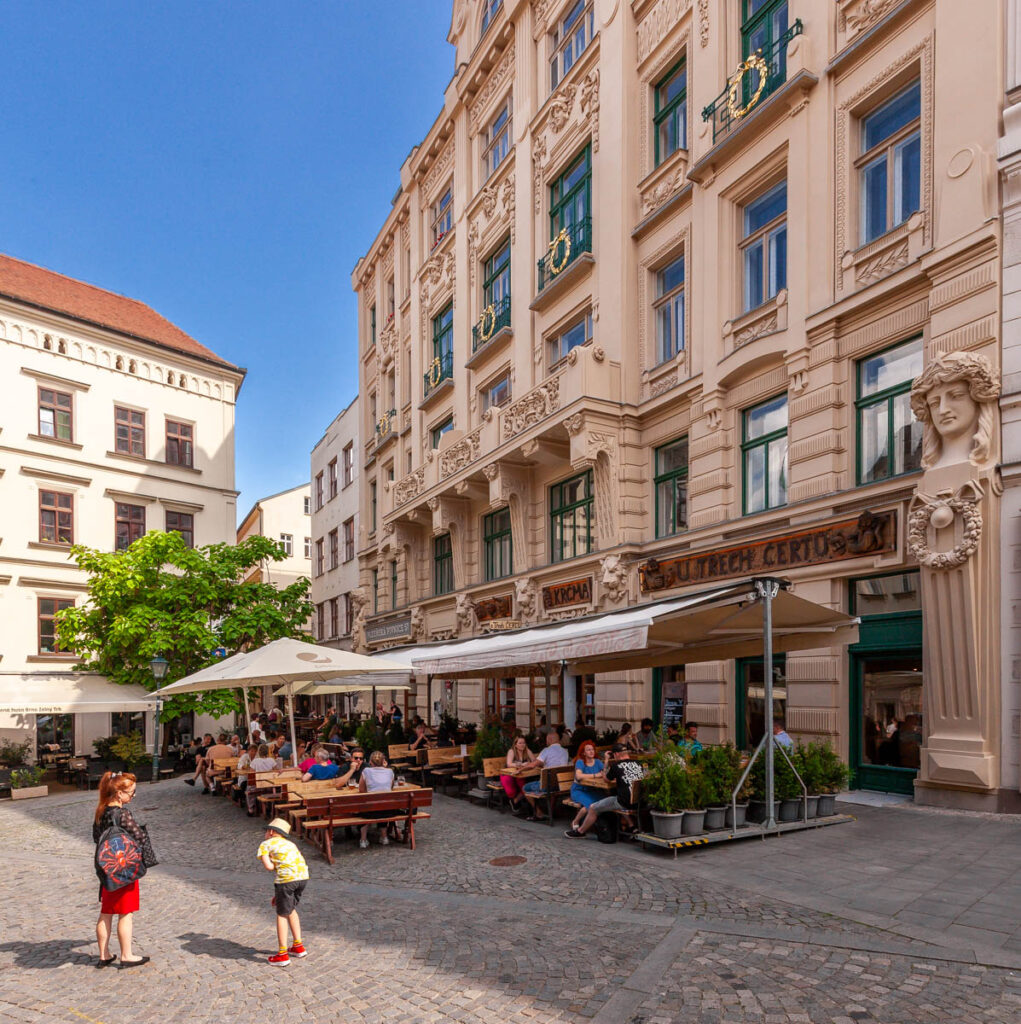
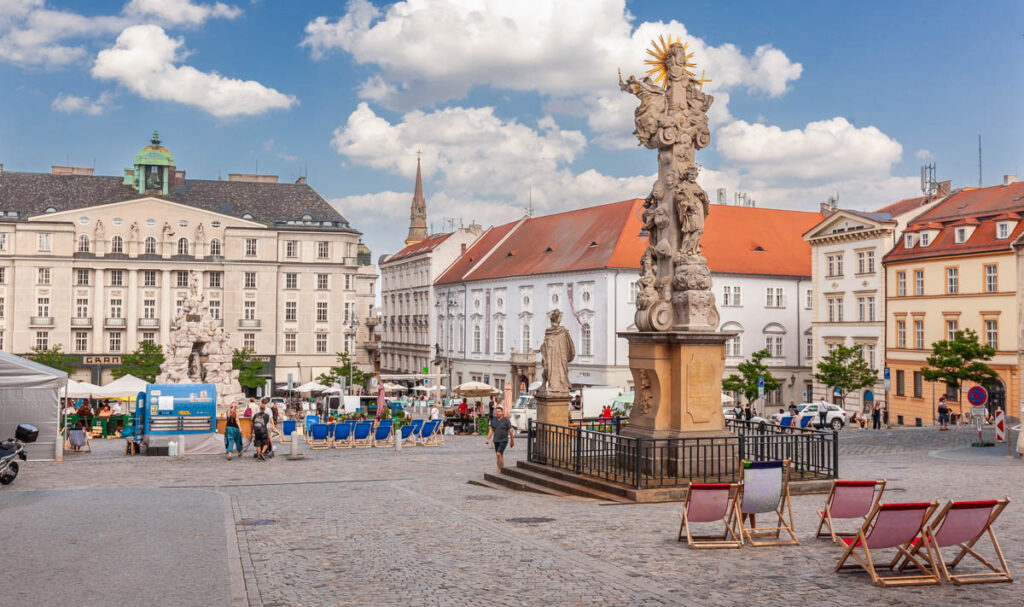
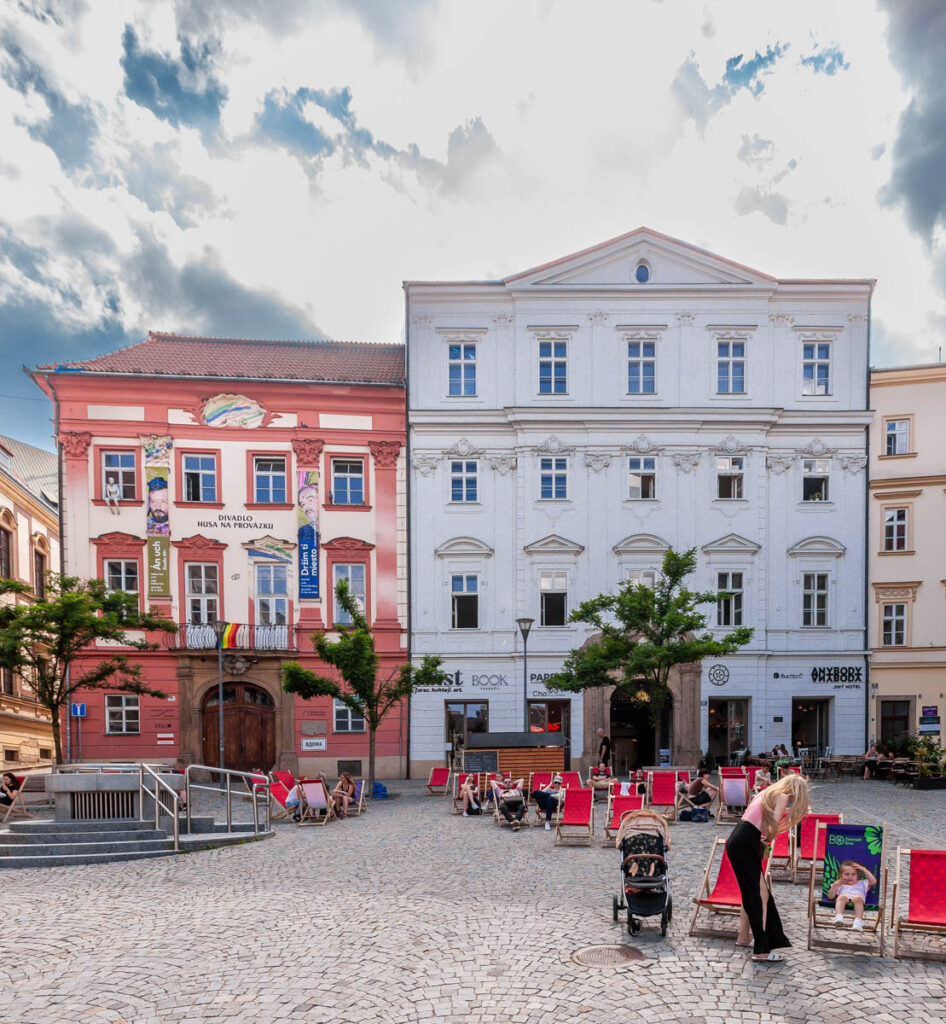
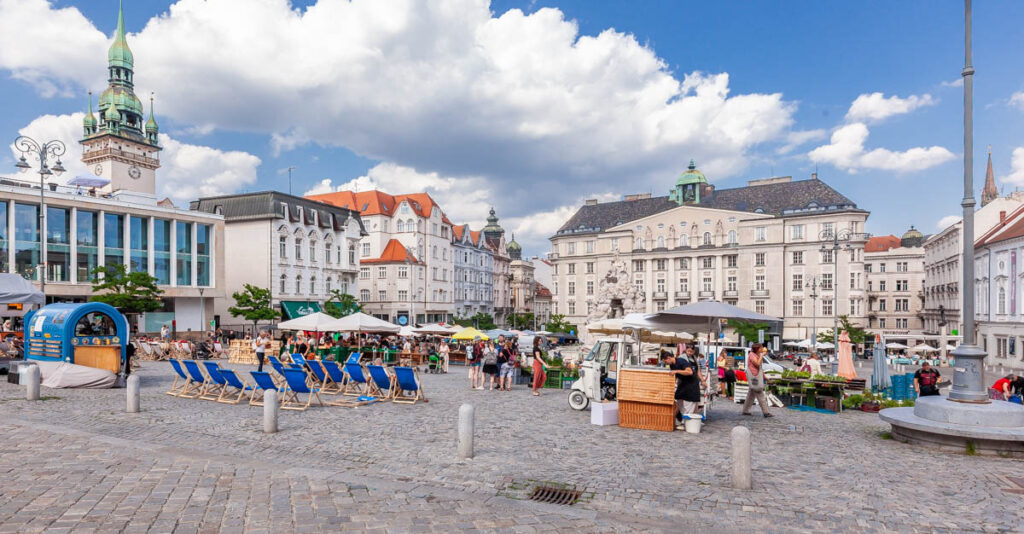
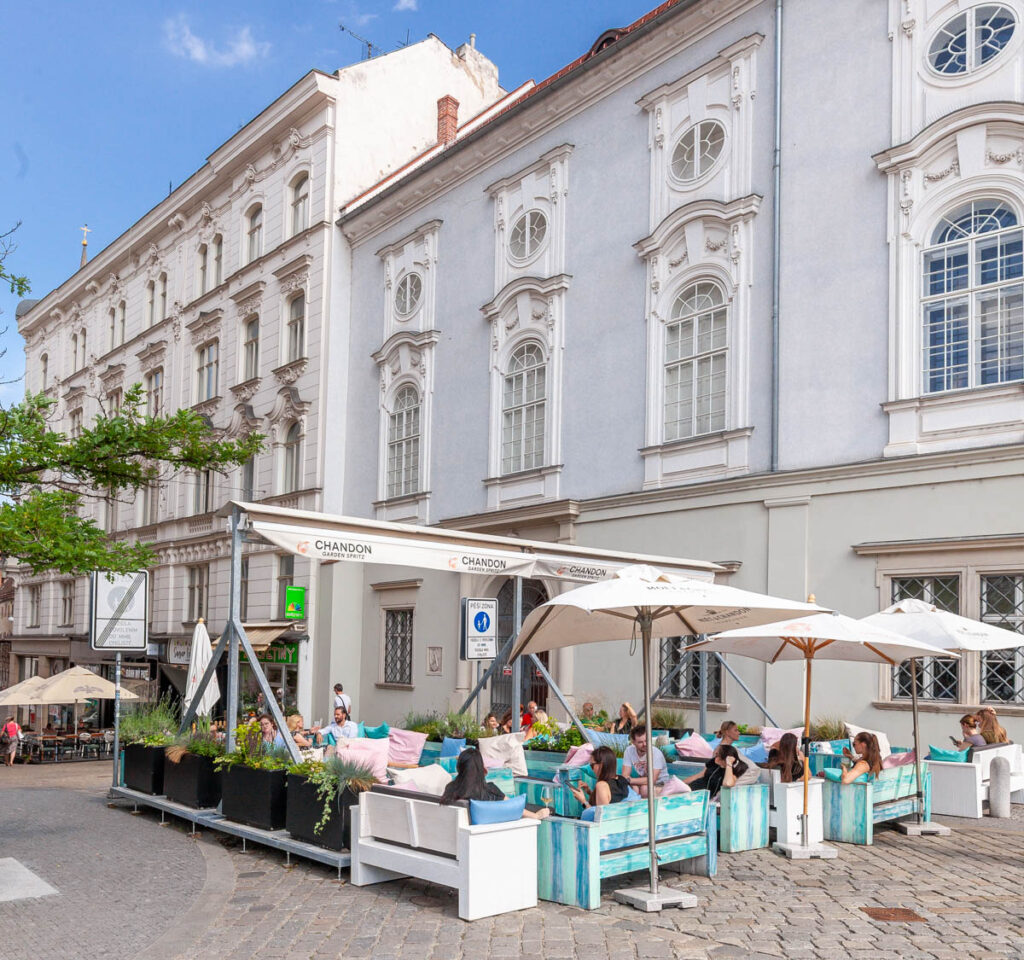
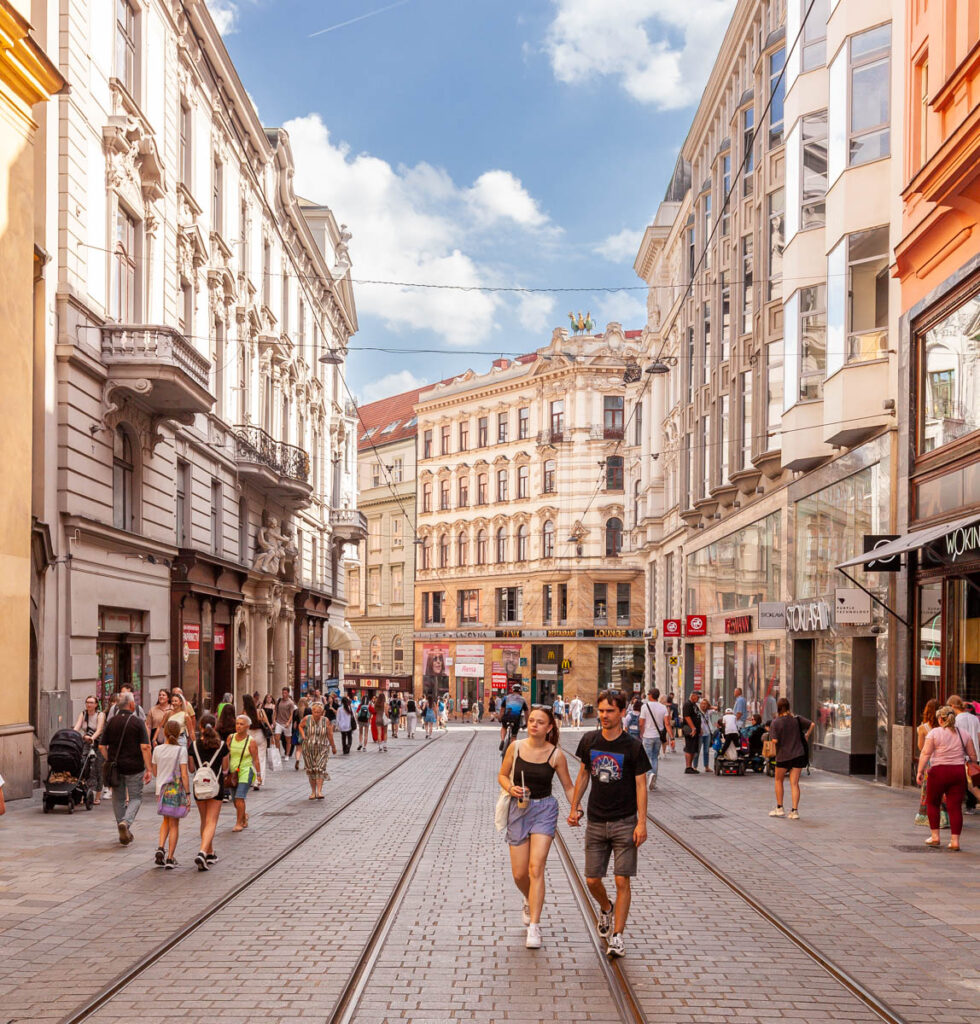
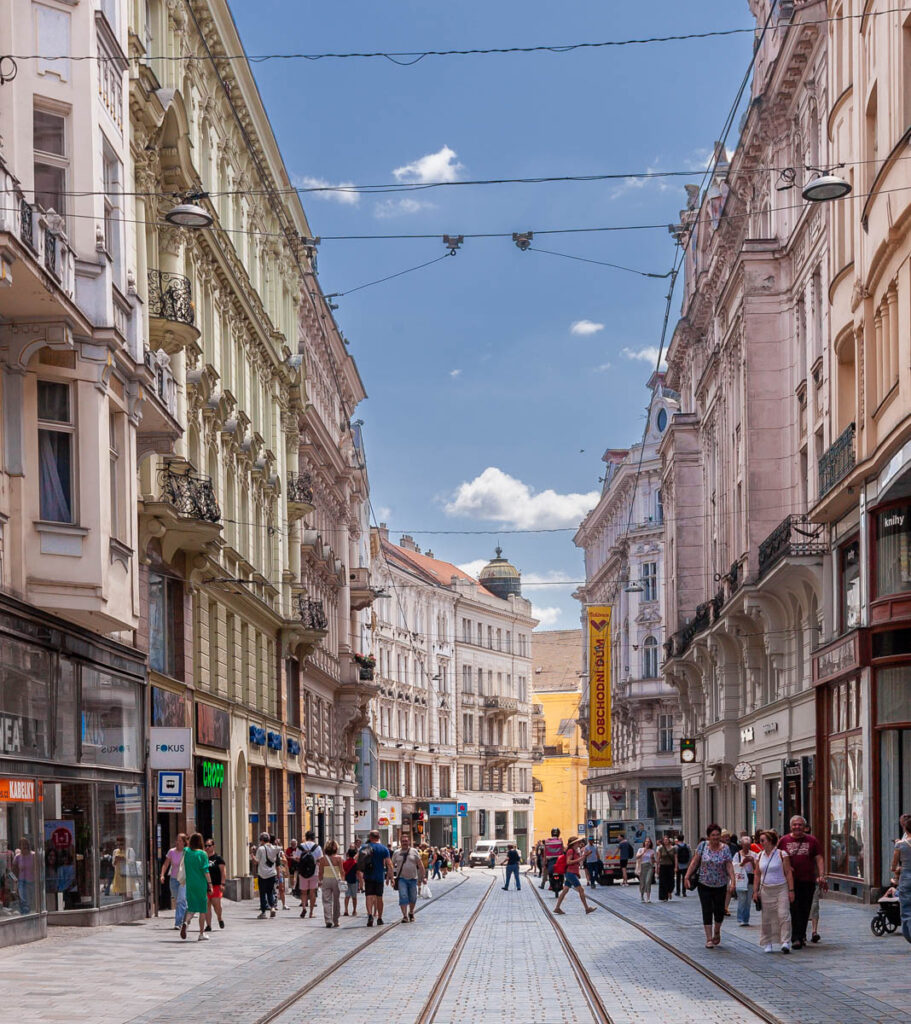
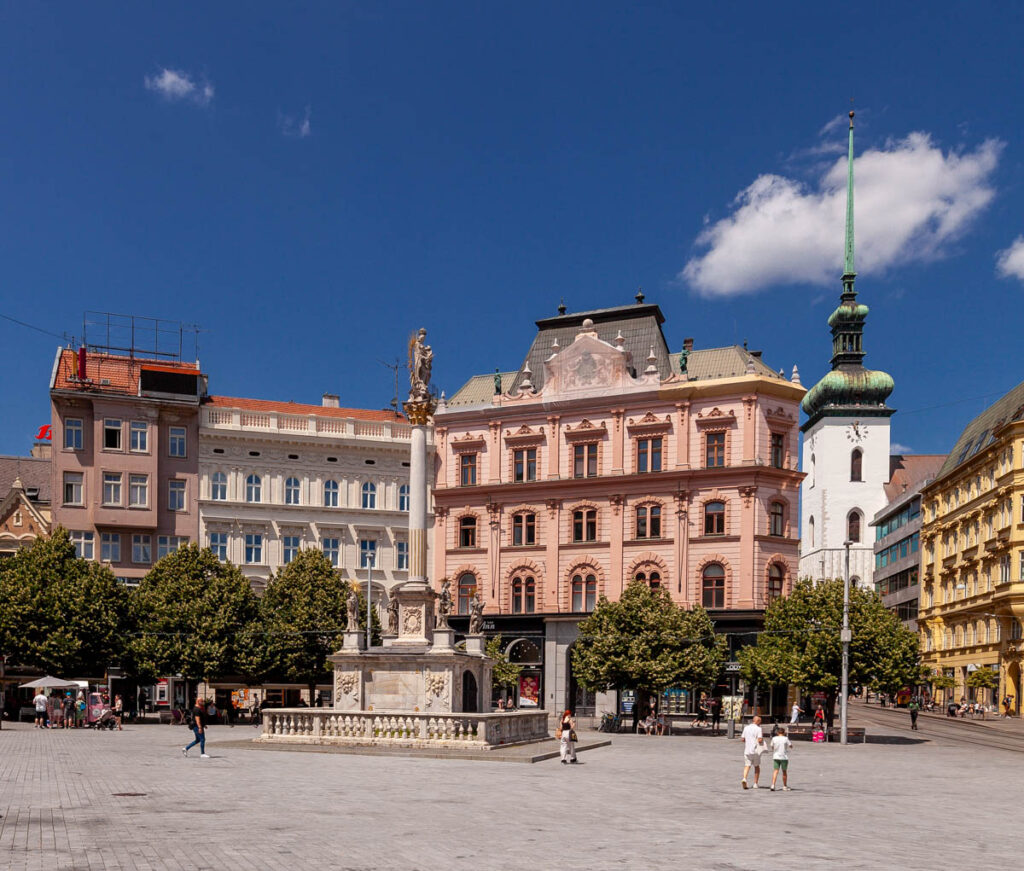
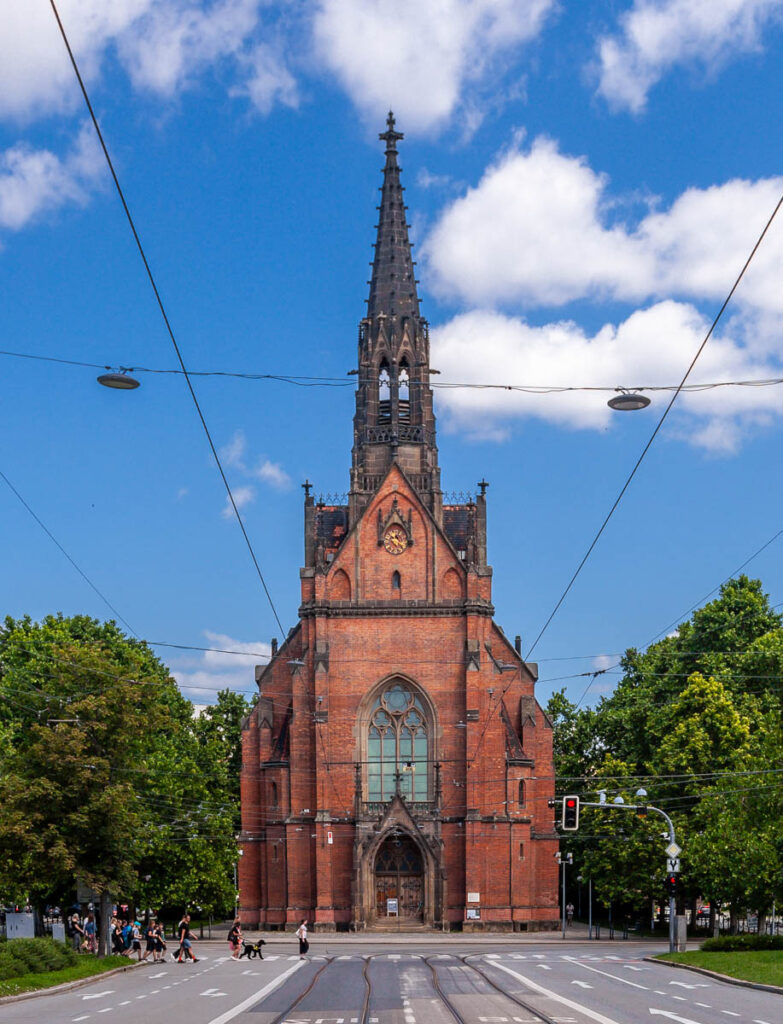
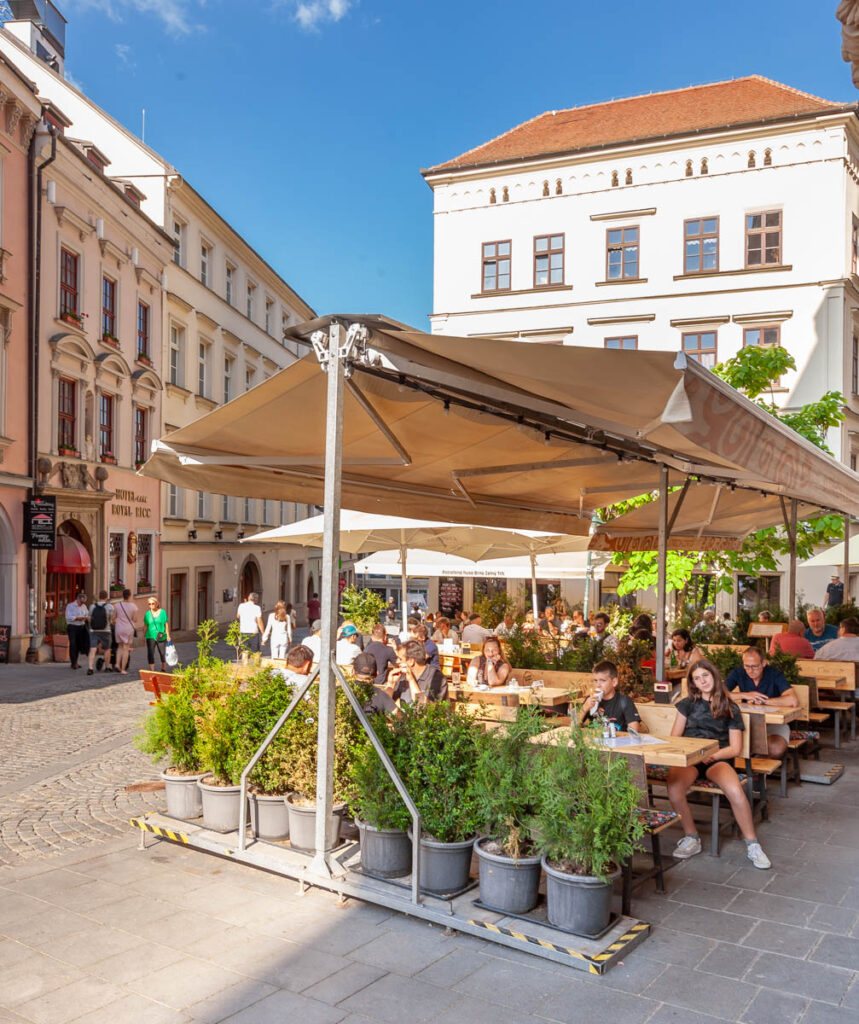
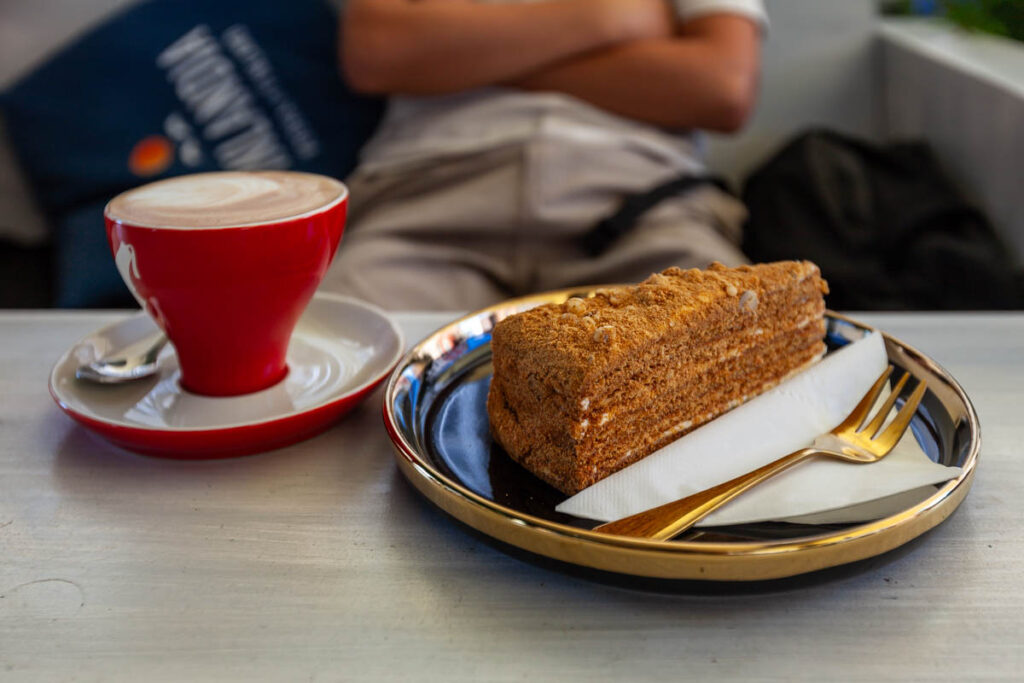
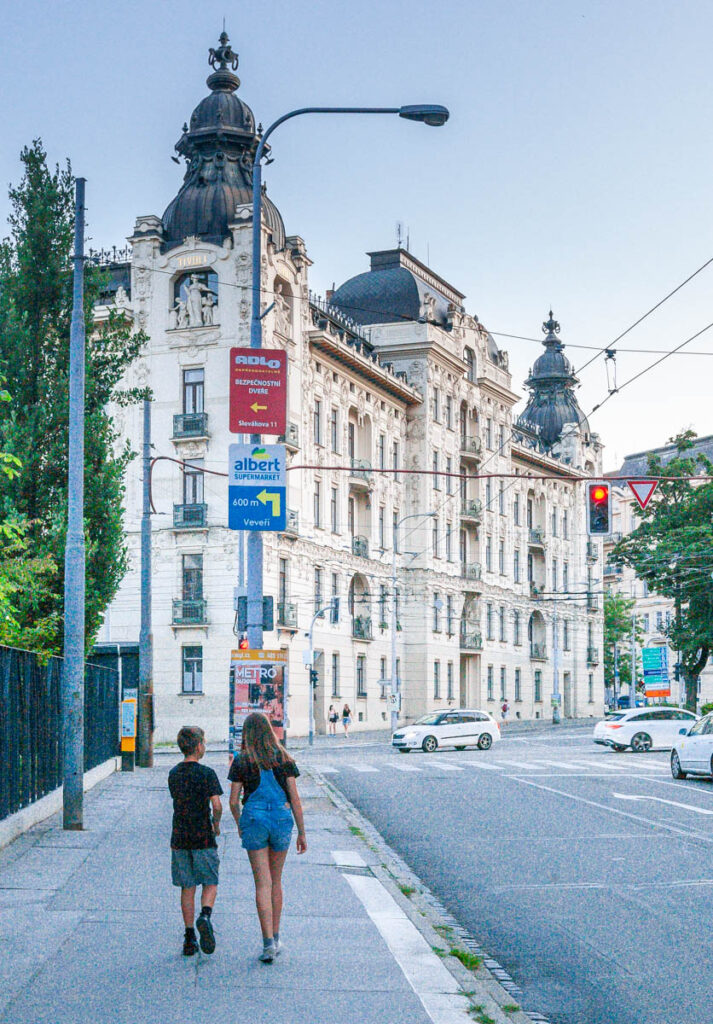
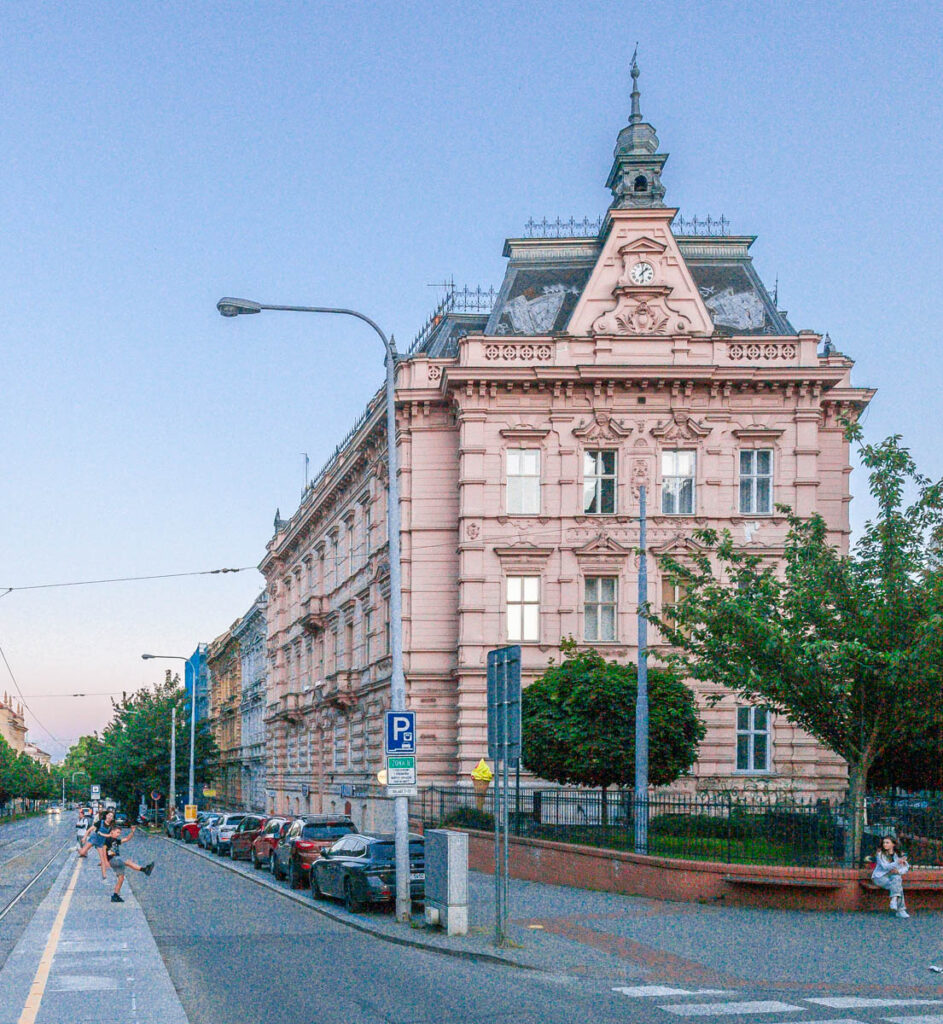
Brno’s population of around 400,000 incorporates roughly 65,000 full time tertiary students across its nine universities. Yes, nine universities in a town of 400,000 people. When we arrived in Budapest our senses were immediately bombarded with the din of a European metropolis; in Brno the second we stepped off the train it wasn’t the noise of a city but throngs of 20-somethings absolutely everywhere. I immediately felt old. And Lilia did not know where to look first! So much activity, definitely not what I expected: Brno was really just a stop on our way to Prague to break up what would have been a more than eight hour train ride from Budapest through Slovakia and on to the Czech capital. I think it actually turned out to be a highlight of everyone’s travels thus far: an exceedingly clean city with a pedestrian-only, impeccably maintained town center, beautiful architecture and enough unique shopping for Lilia and Max to amuse themselves for days. We definitely all enjoyed a couple of days to slow down and take in the relaxed Czech way of life, sampling a handful of eateries and hospoda as well as adding a couple of pieces of clothing to our wardrobes from the endless fashionable storefronts vying for all the students’ koruna.
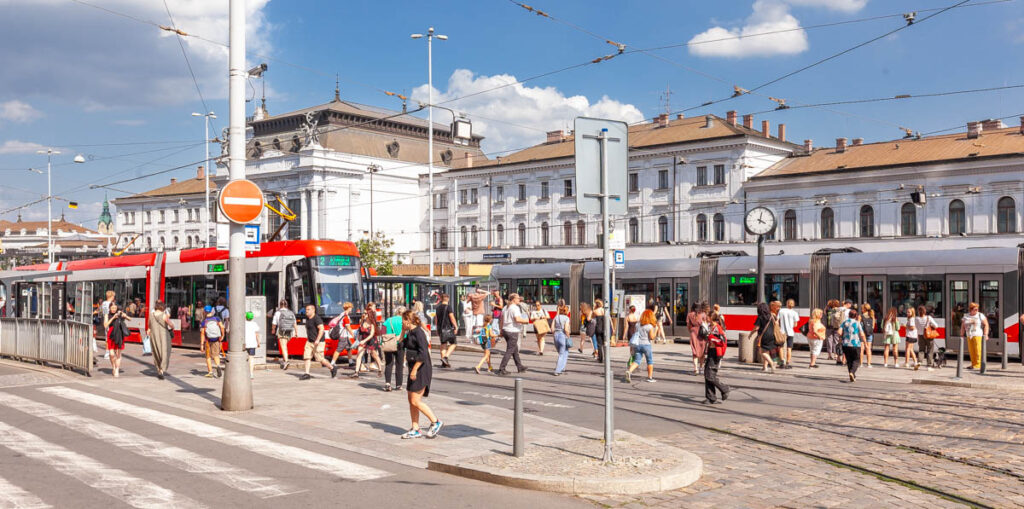
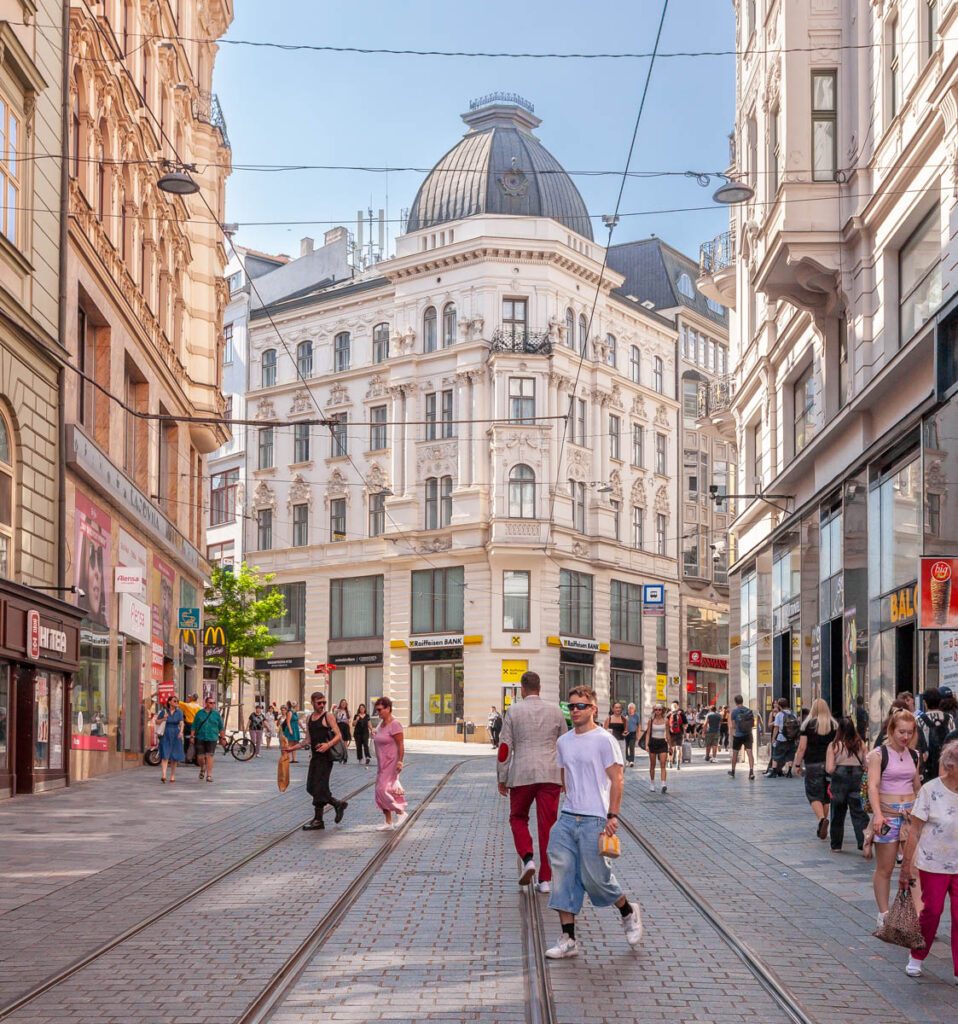
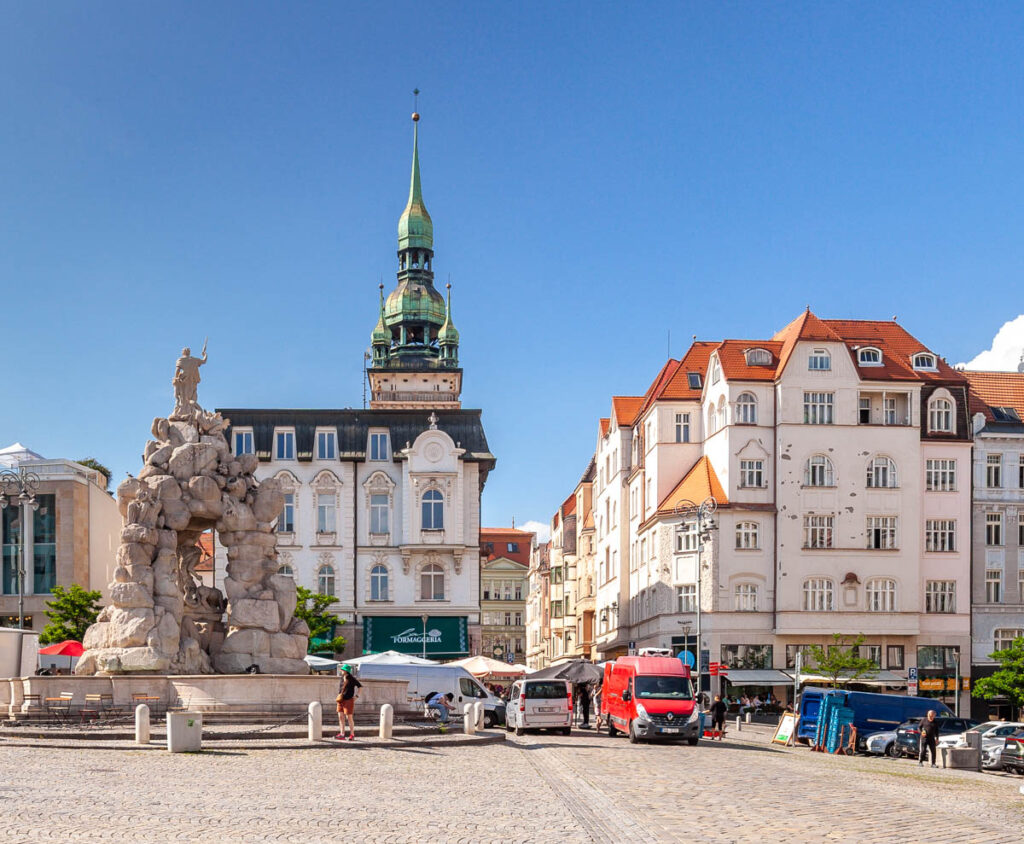
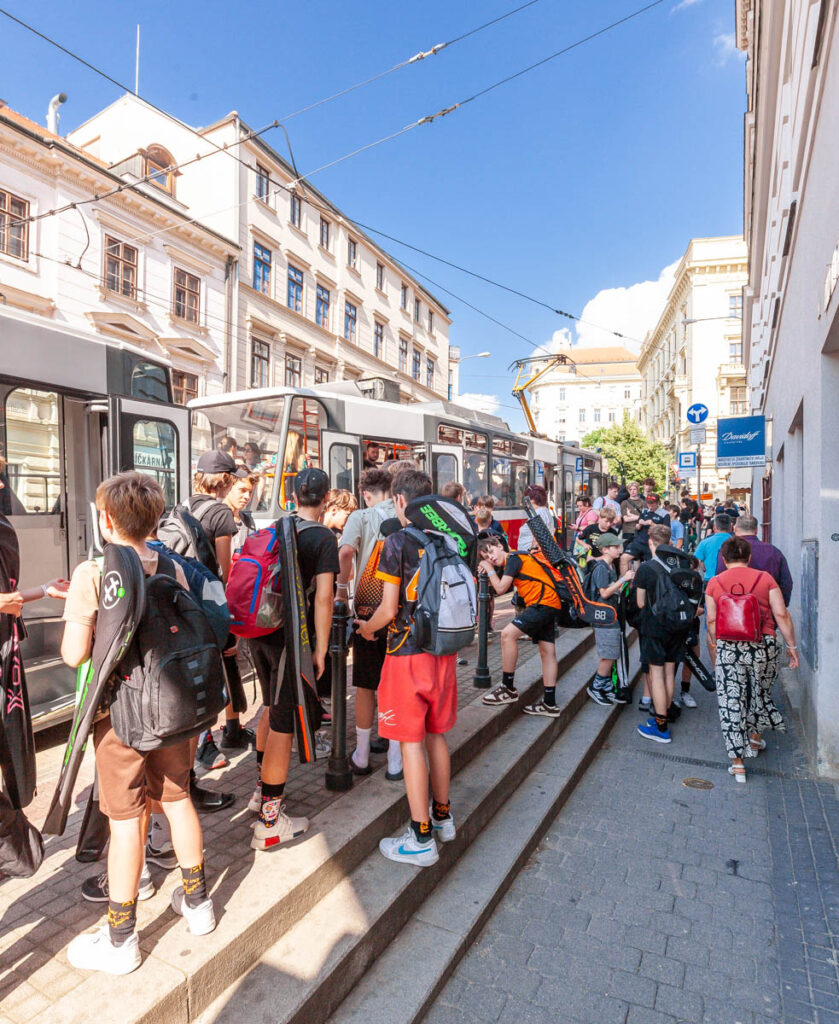
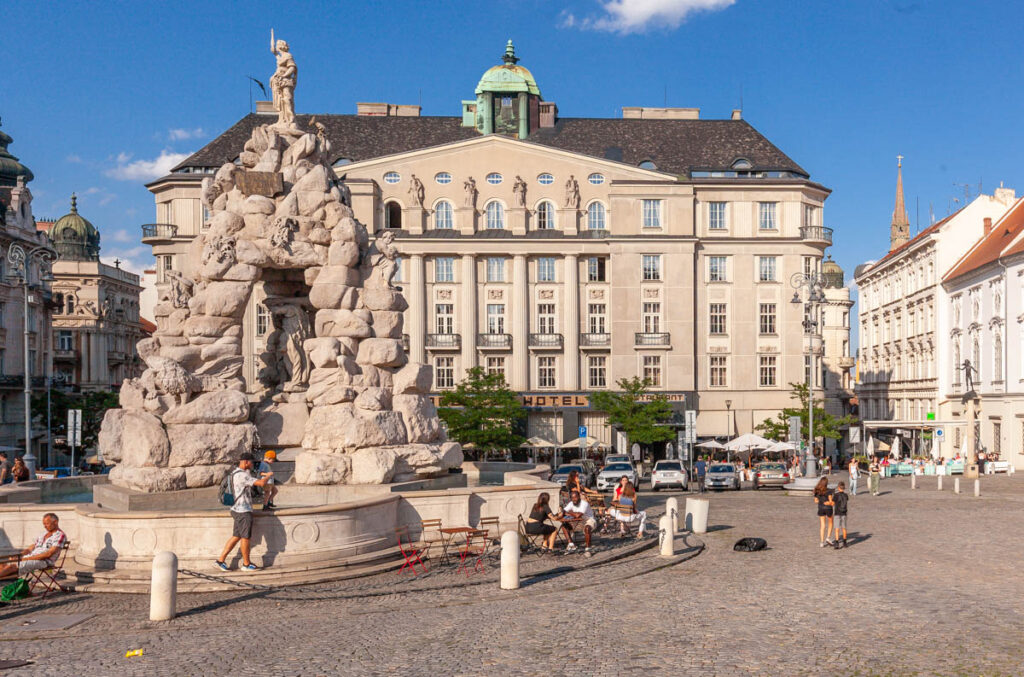
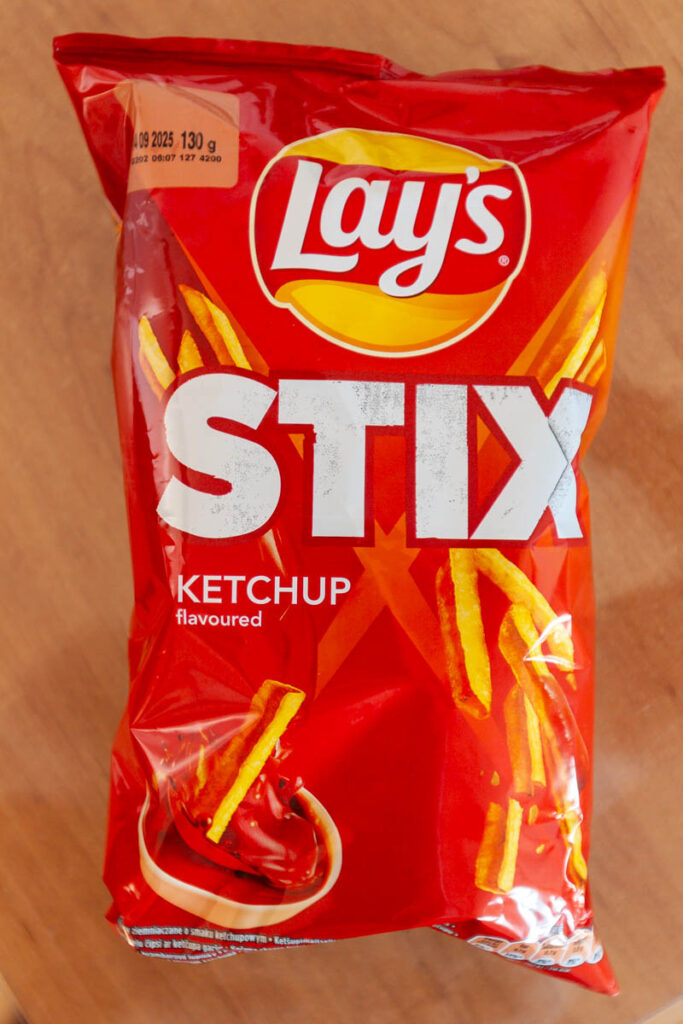
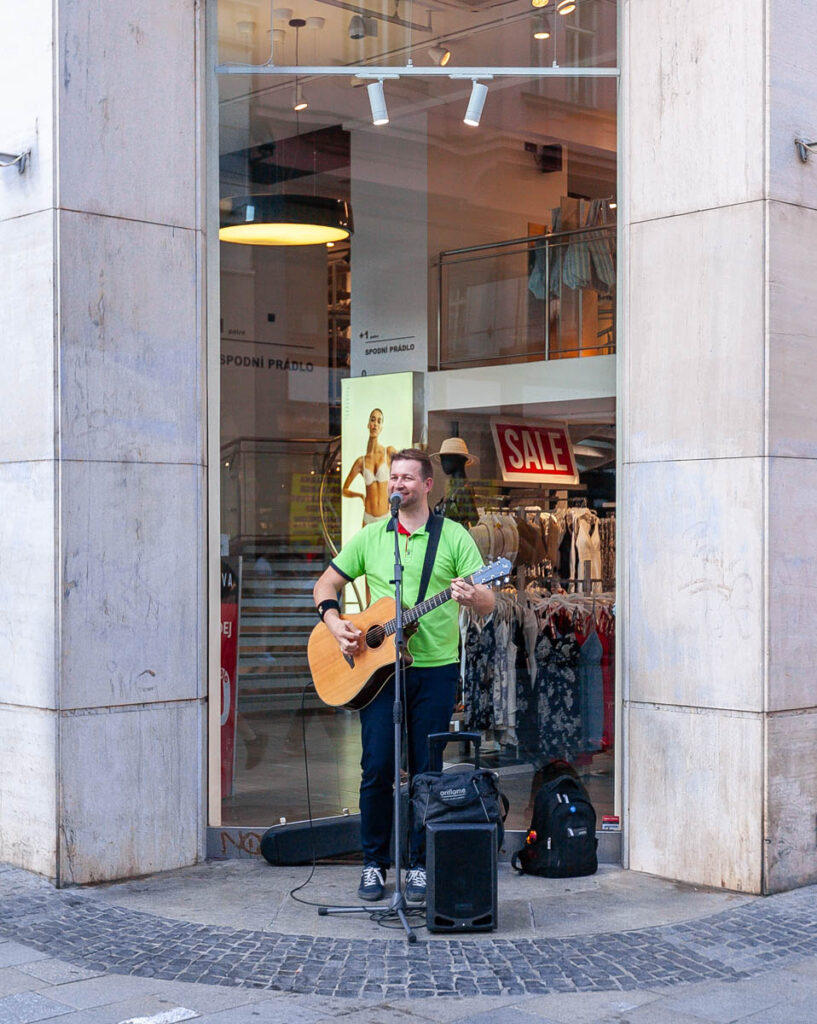
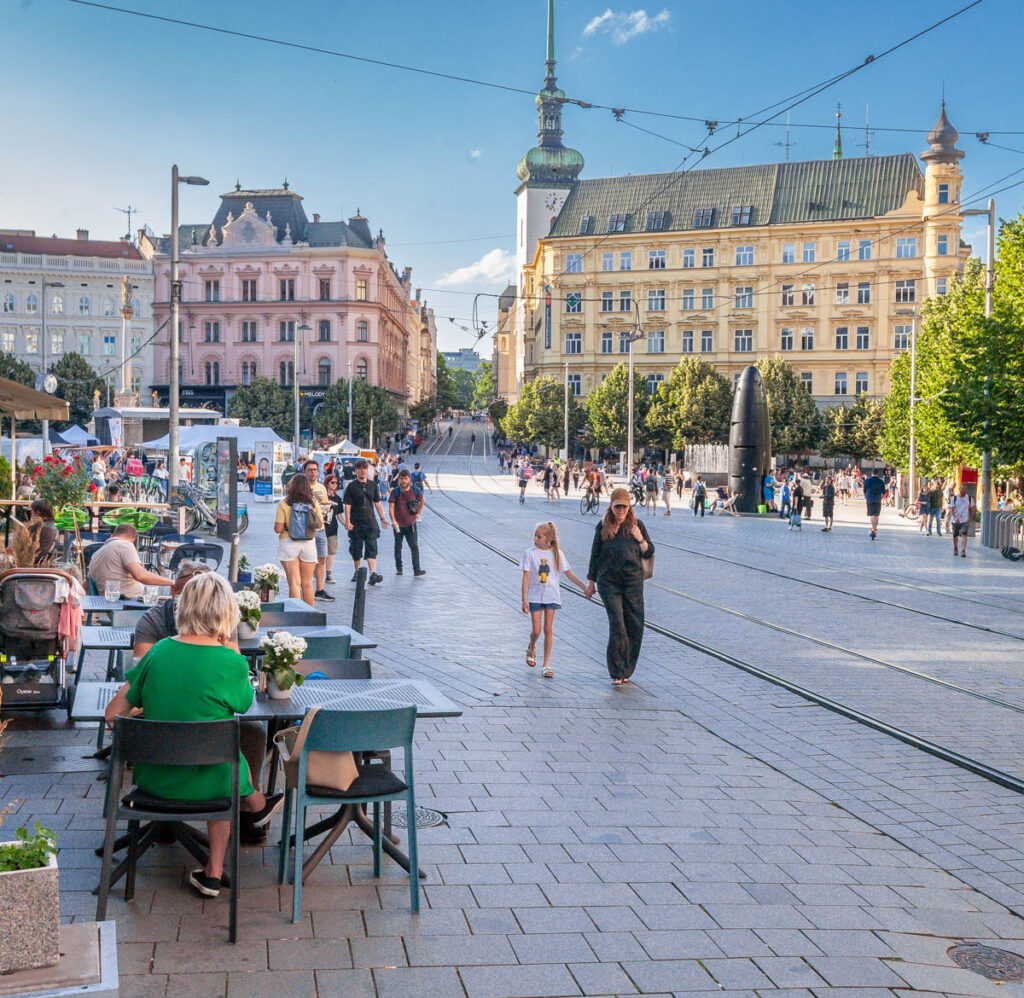
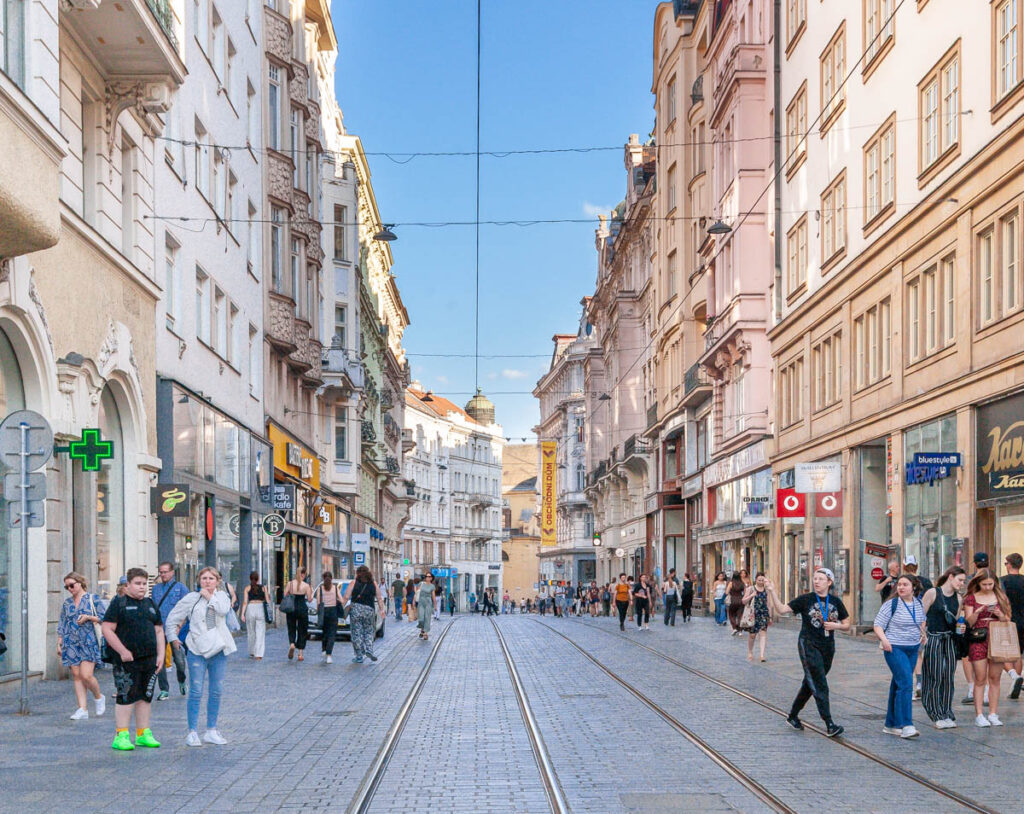
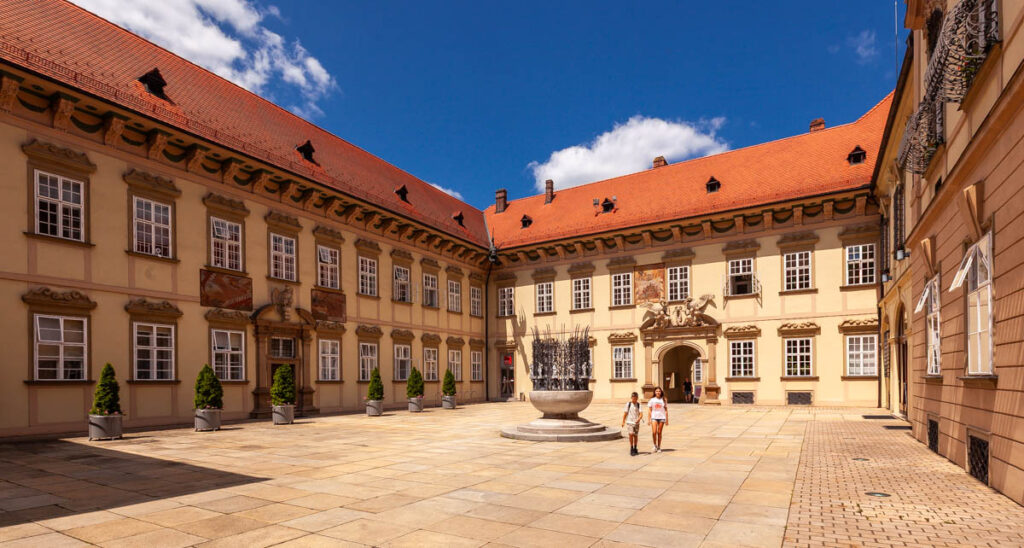
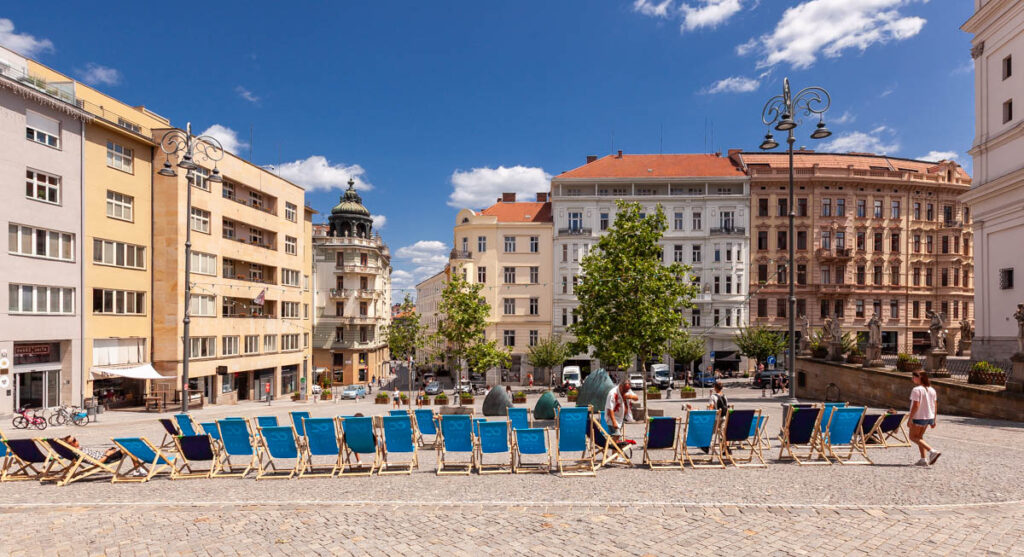
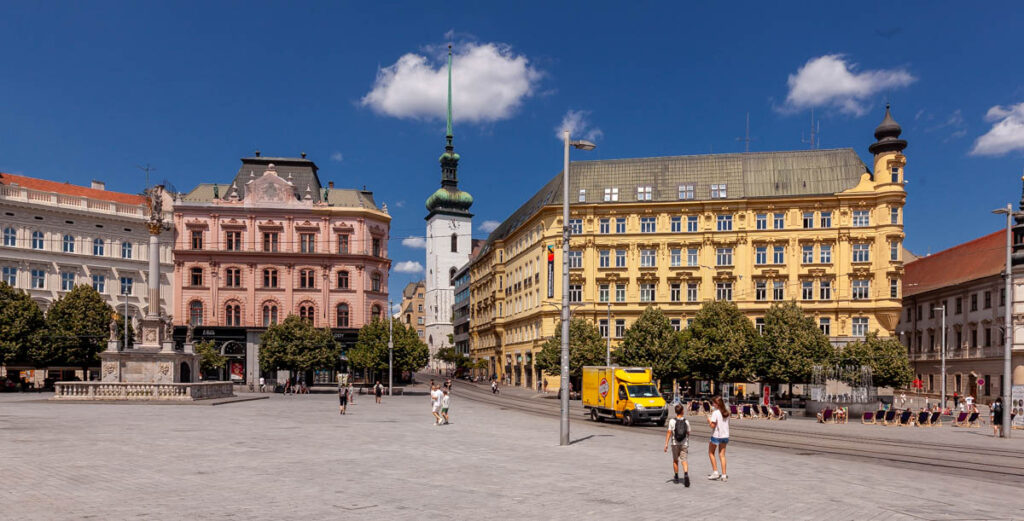
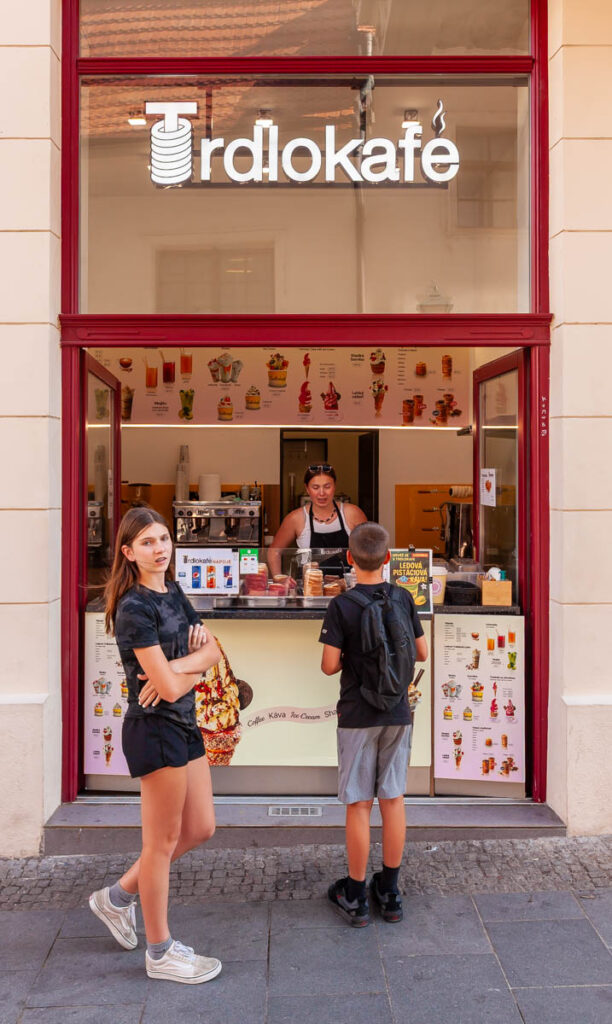
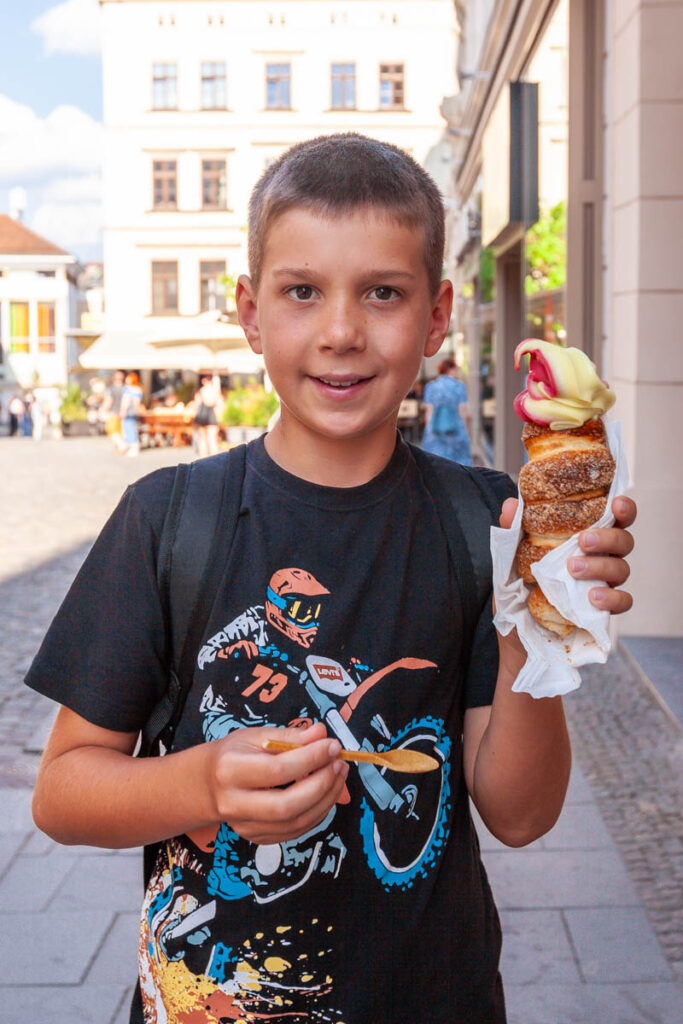
Max was also pretty pumped to find a reasonably-priced chimney cake – which is called a trdelnik in Czechia – after hunting the streets of Budapest for days for one that would fit his budget. The one he locked onto at Trdlokafe a stone’s throw from our apartment didn’t disappoint: sweet bread rolled in caramel and sugar, filled with mango and raspberry ice cream. And a bargain at US$4.20. Happy boy.
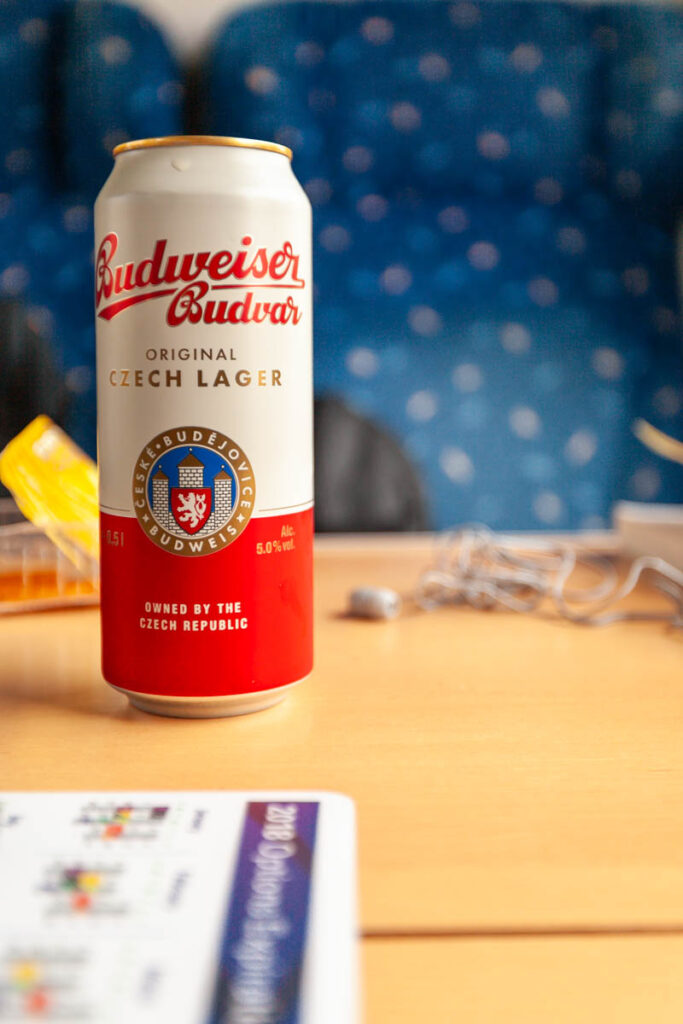
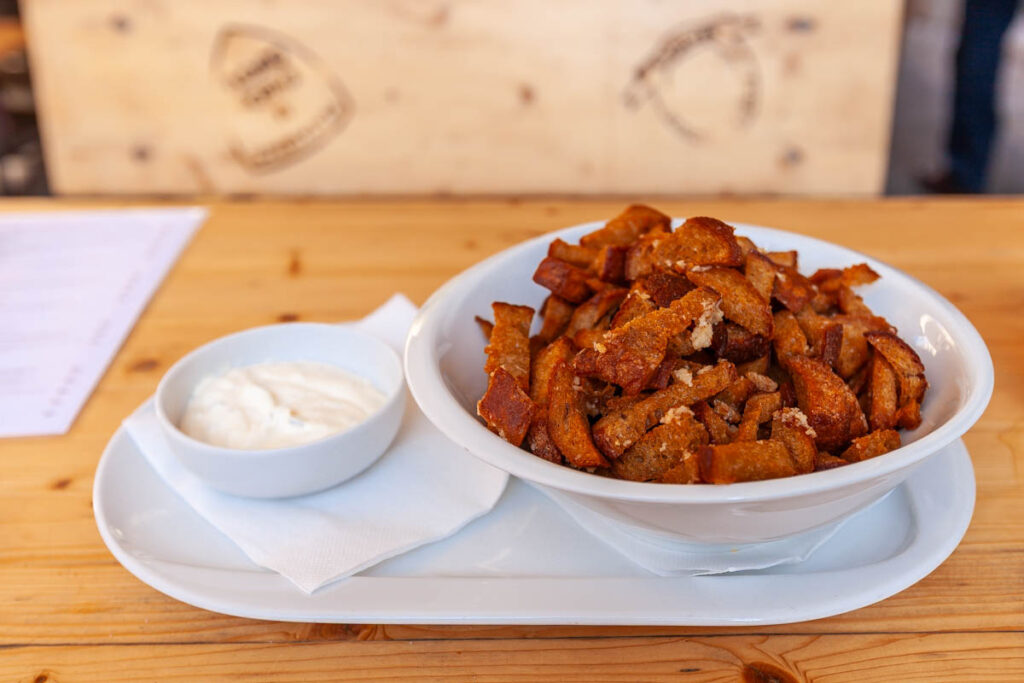
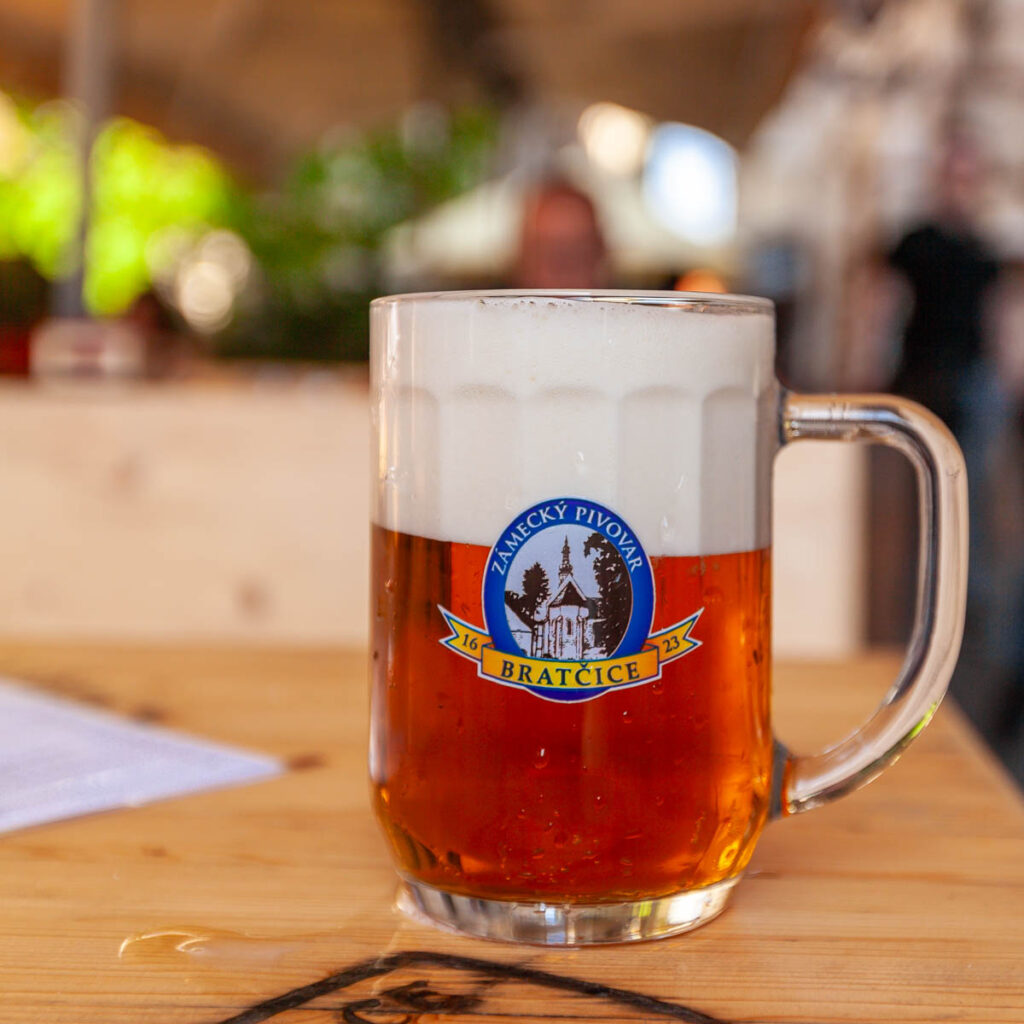
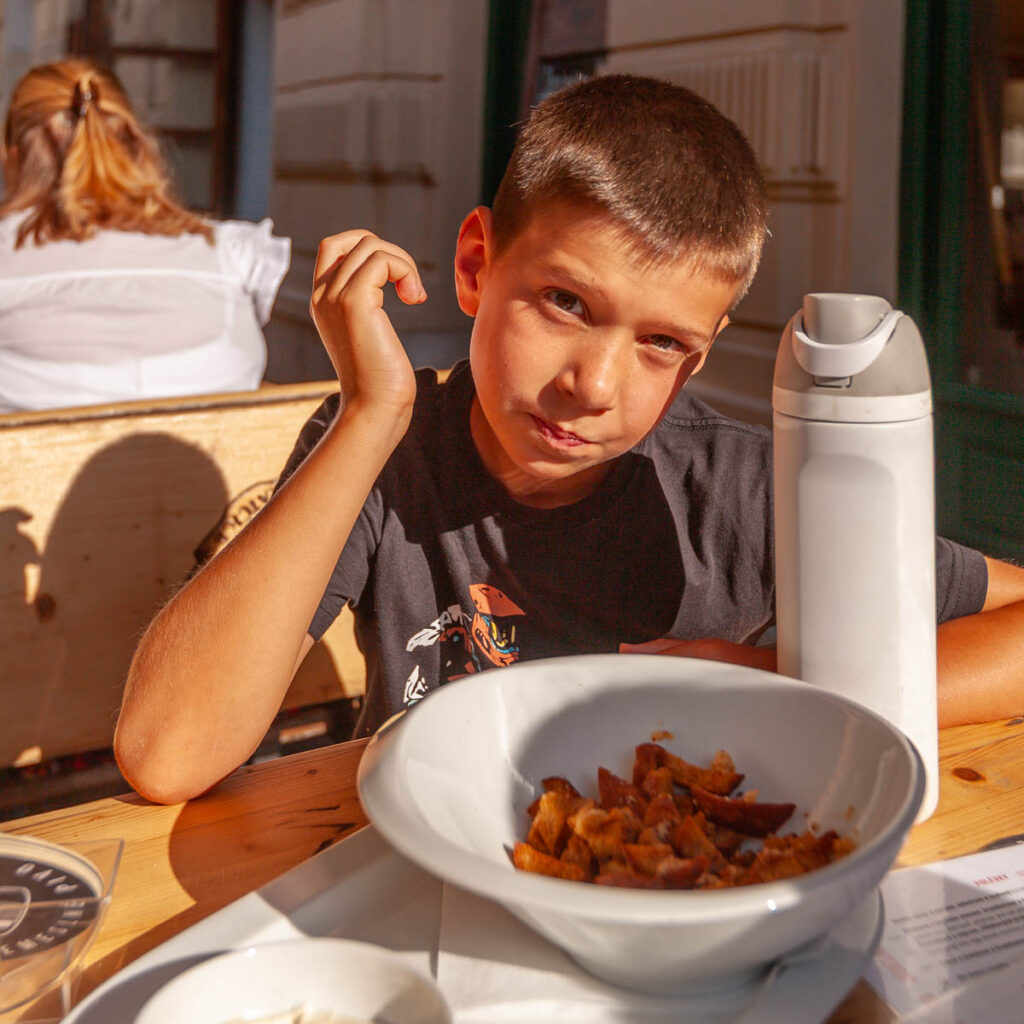
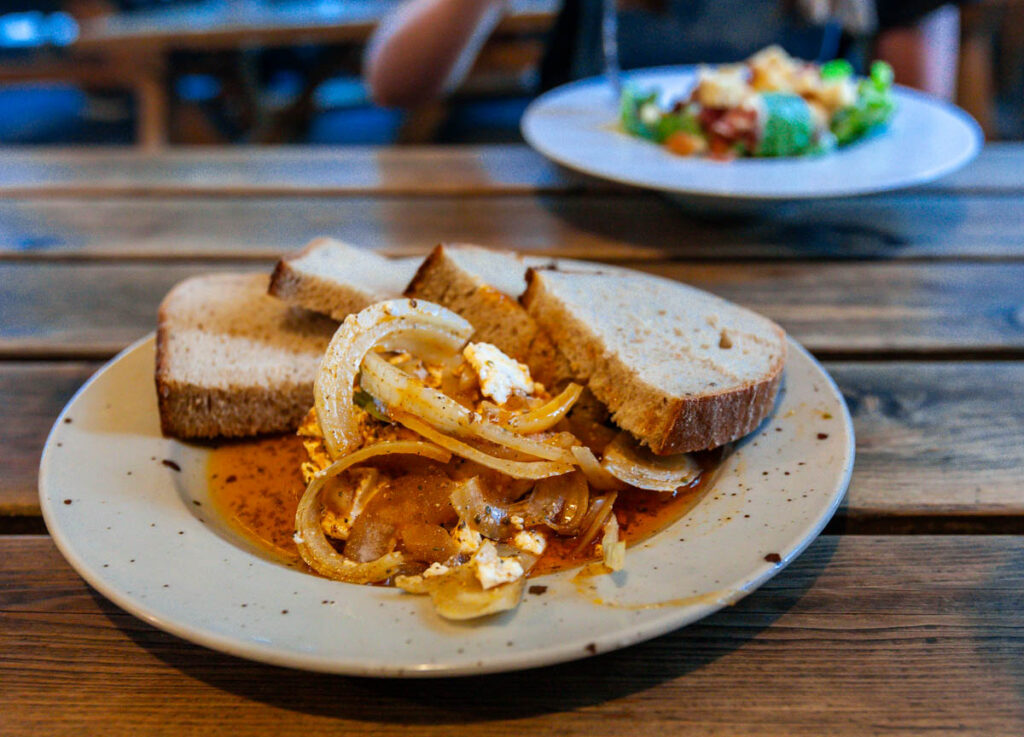
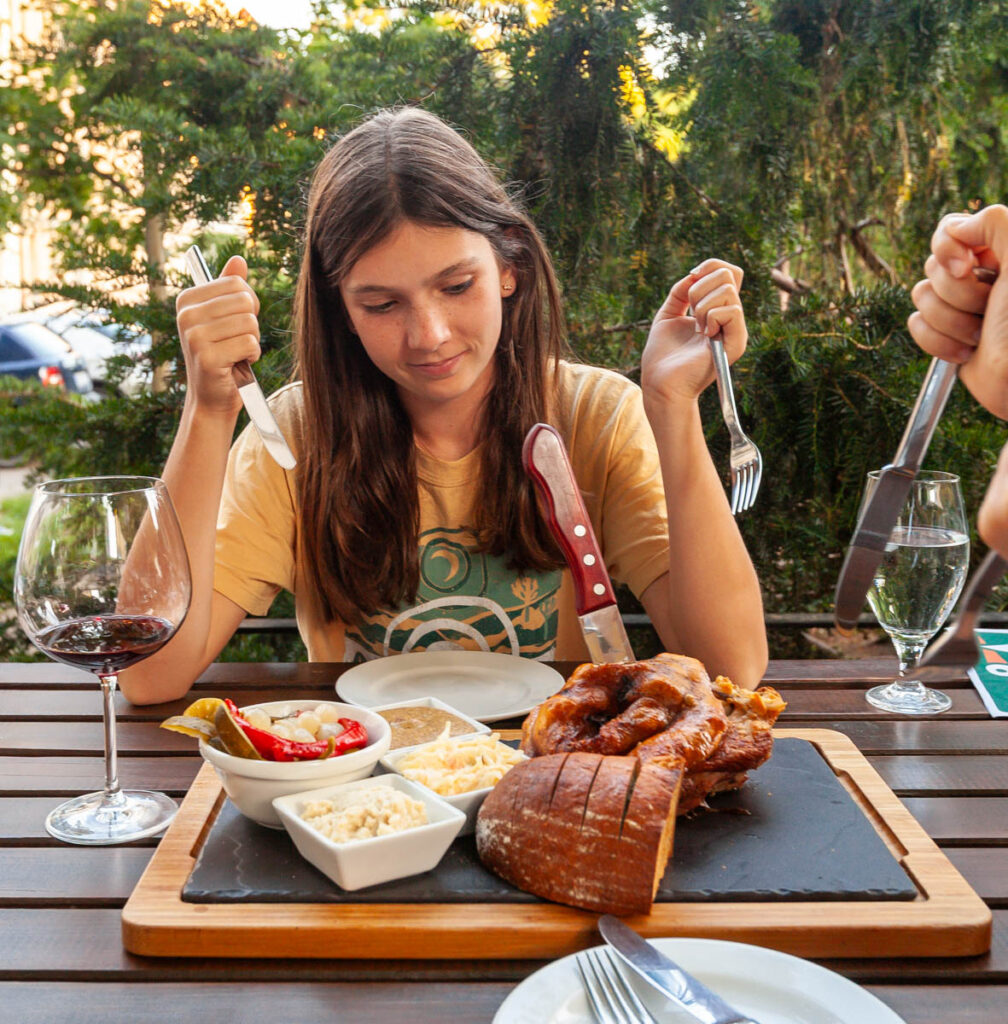
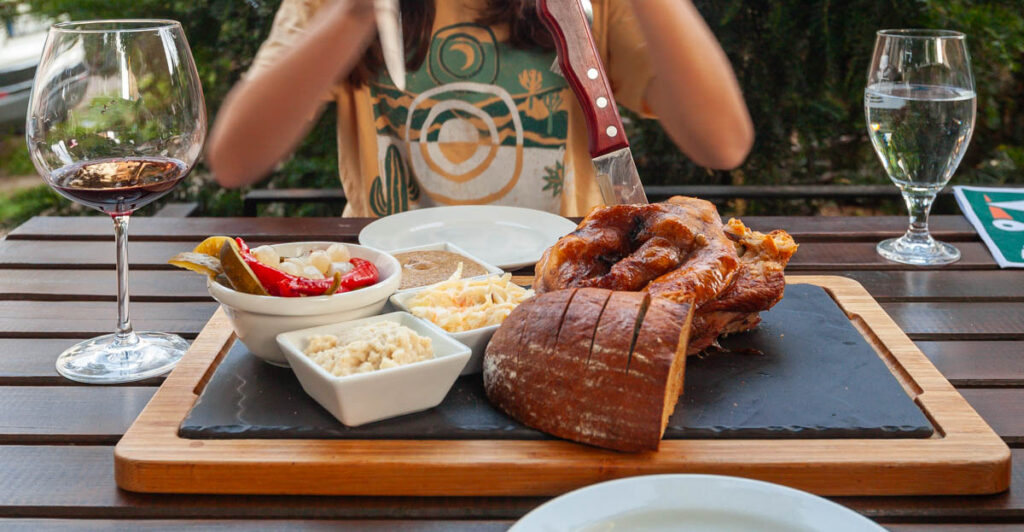
Beer is religion in Czechia: they not only label their beer with the alcohol content but also with the density of the wort. But, I will never be able to get used to being served a beer with as much liquid as frothy head. It’s not like the hospodas are ripping off their customers – the amount of liquid in a stein is carefully measured – but having to work through all that froth for the first sip or two is not fun. 1% problems… University towns always bring with them great food and Brno was no exception: we enjoyed an evening at neighborhood eatery U Karla one night and also managed to demolish a 1KG/2LB pork knuckle between the three of us at Pivnice U Capa around the corner from our centrally-located apartment. Not as good as our first intro to Czech pork knuckles years ago in Znojmo, but very solid nonetheless. The waiter at Pivnice U Capa was impressed that we cleared the plate (board) after warning us that the knuckle was going to be “very big” when we were ordering!
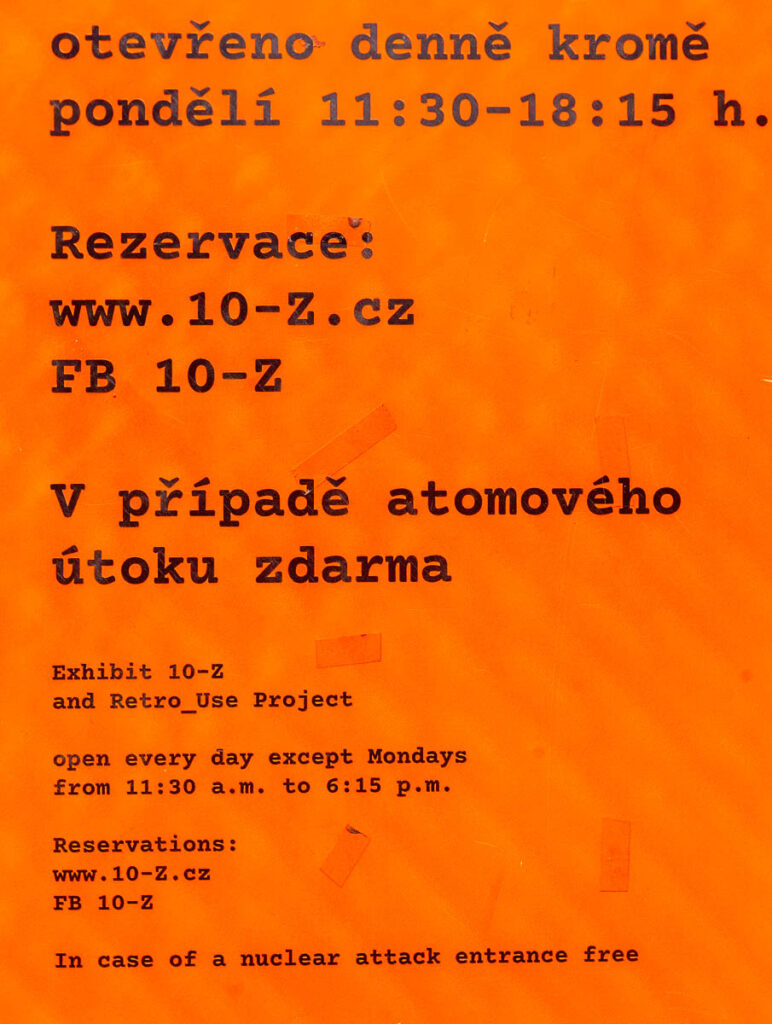
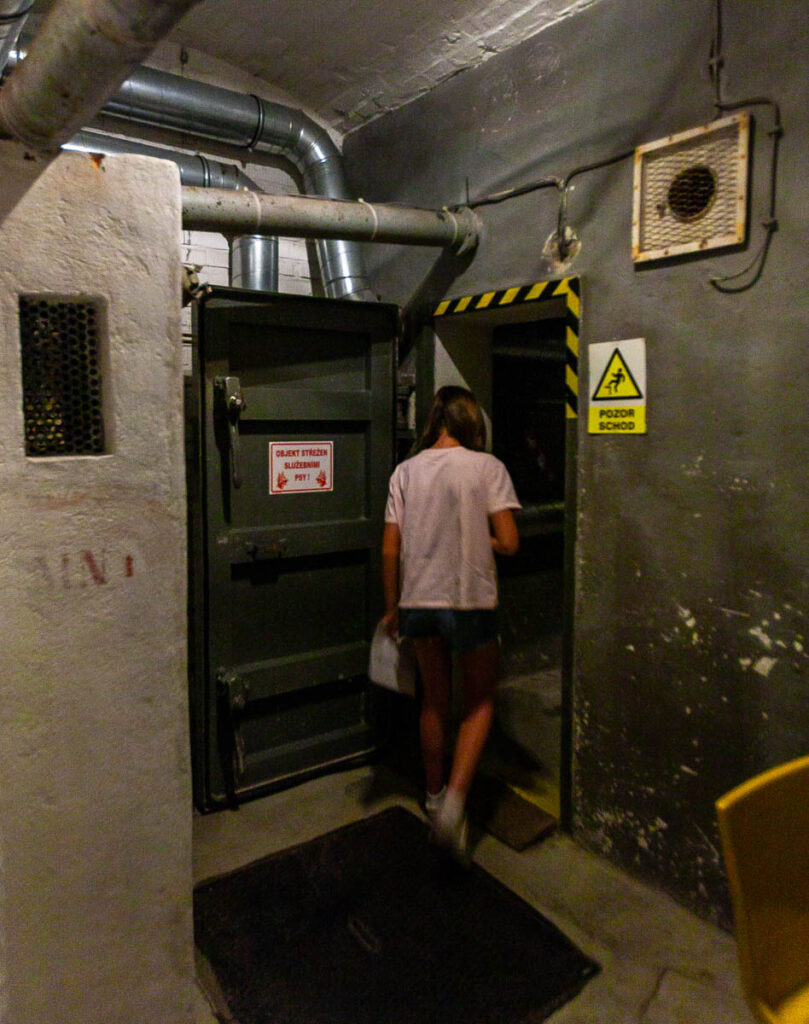
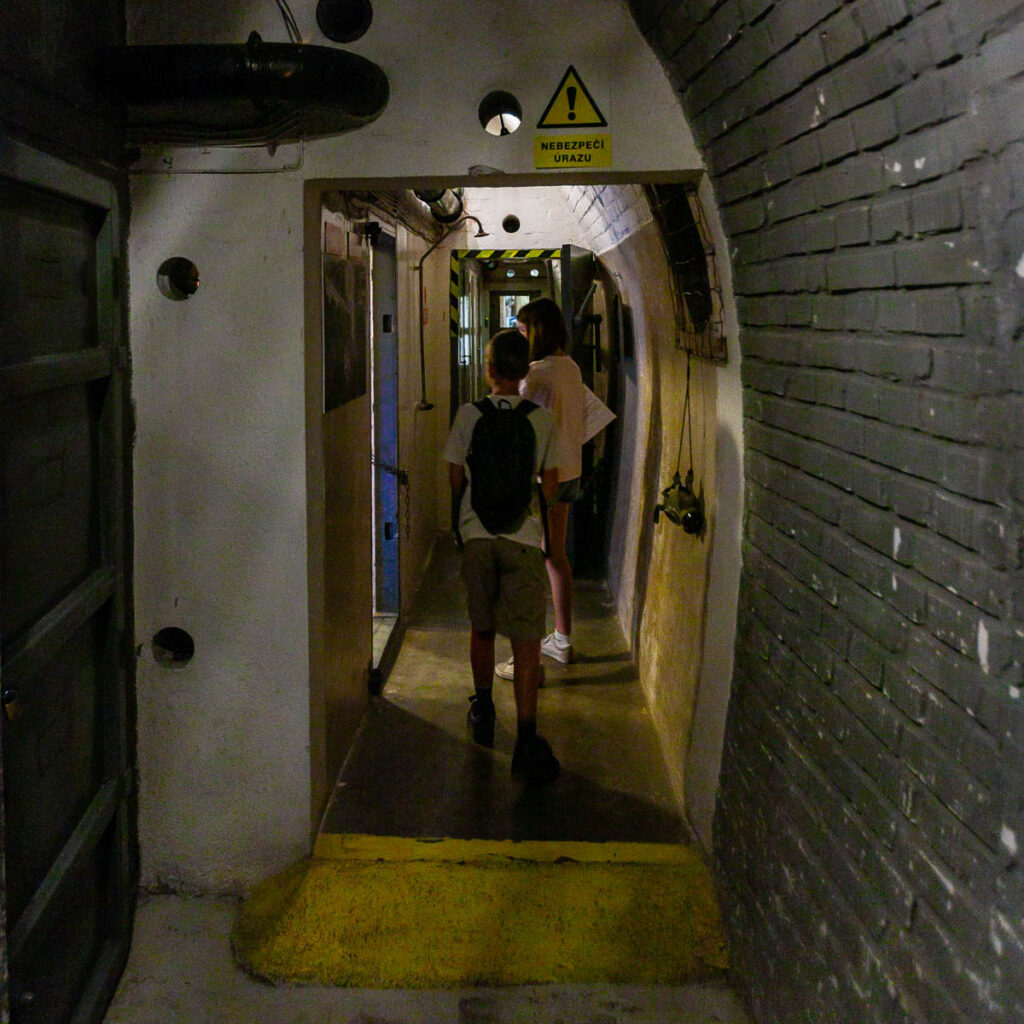
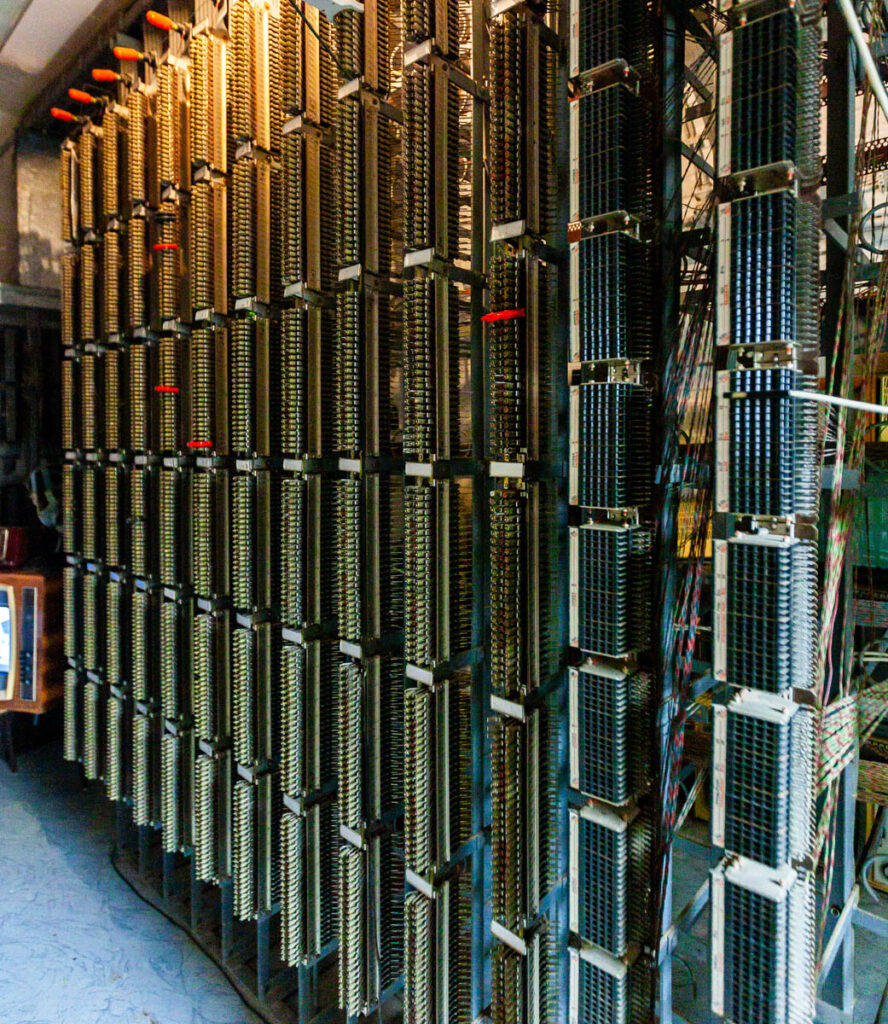
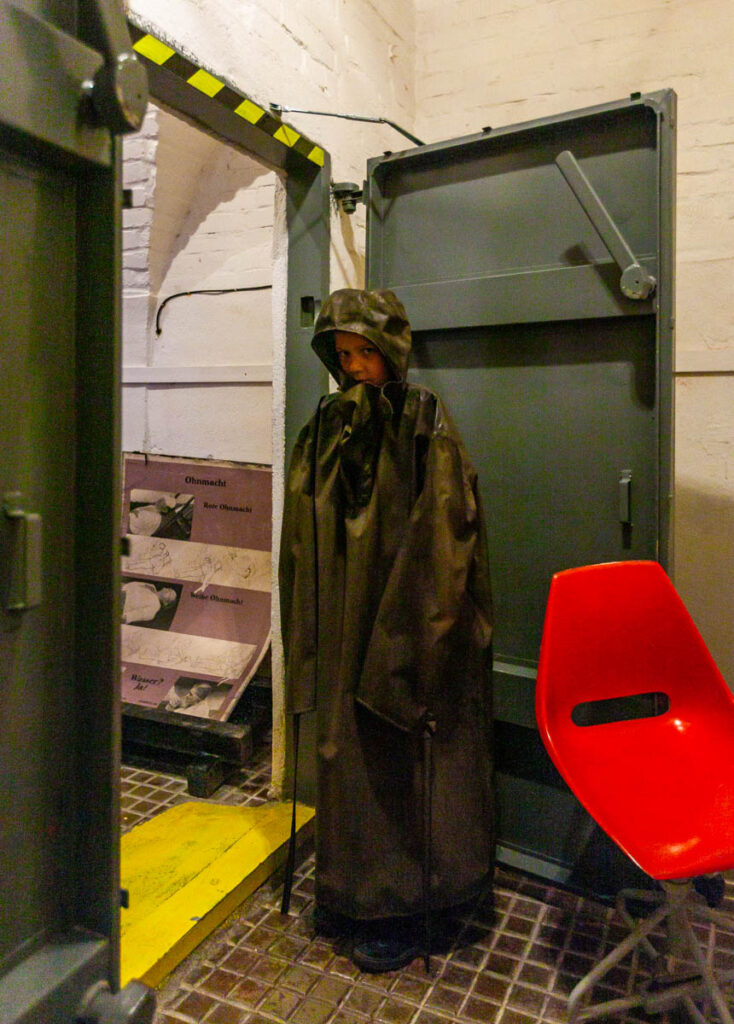
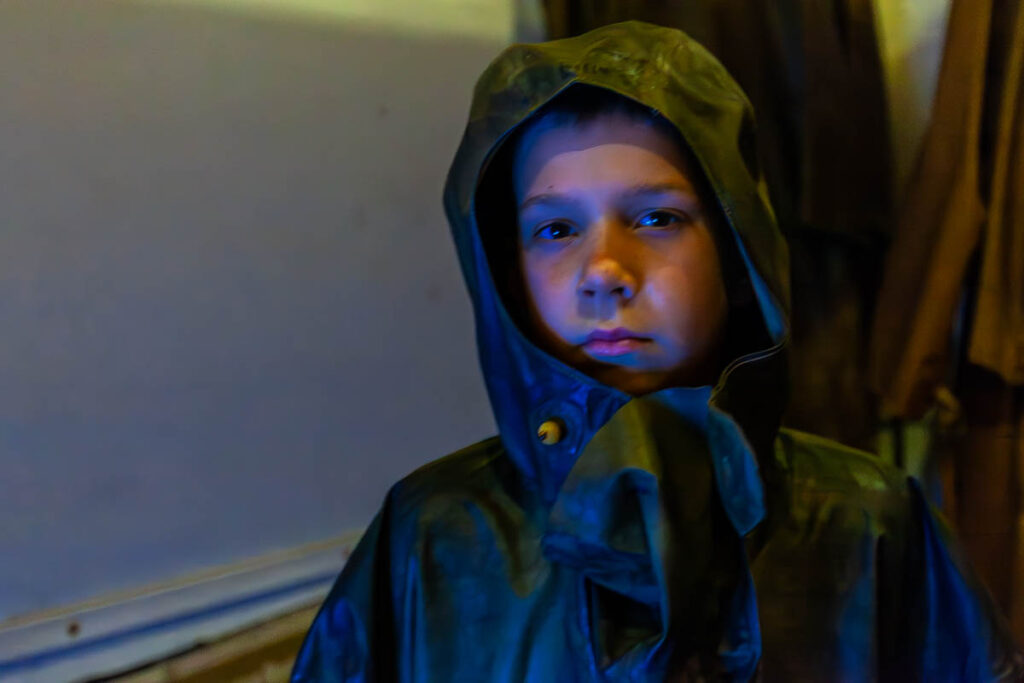
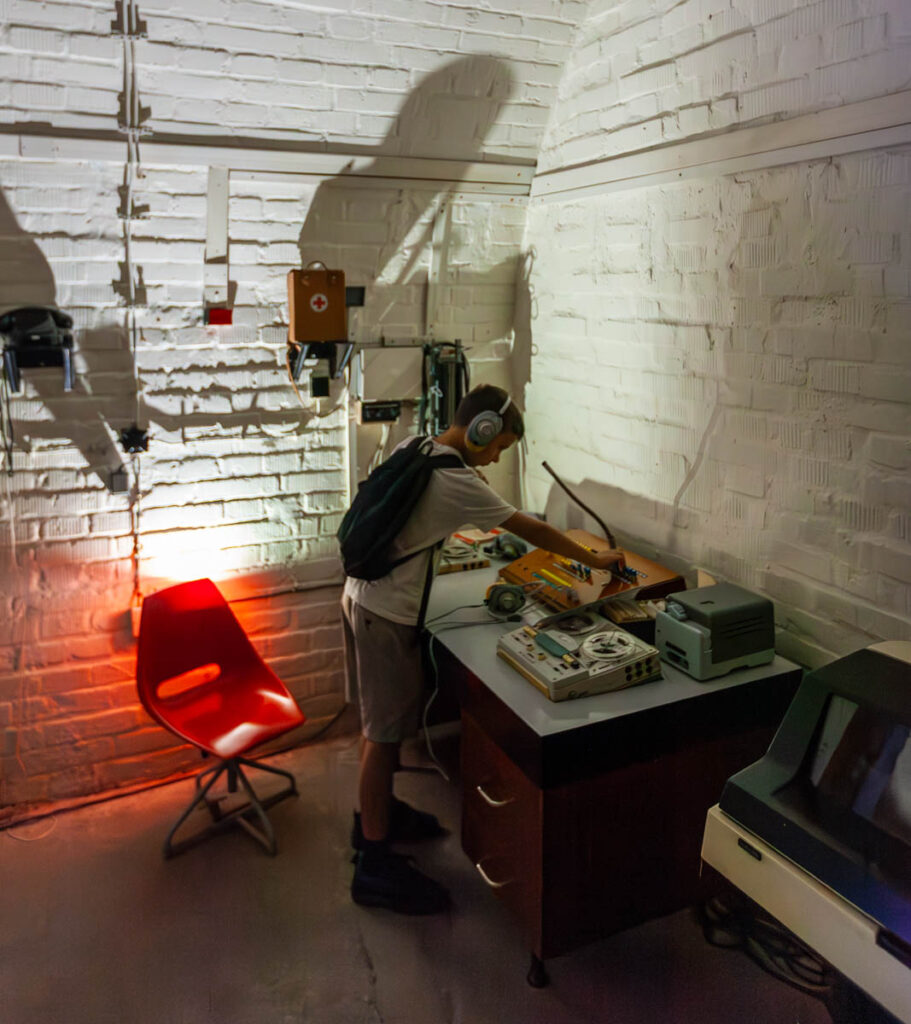
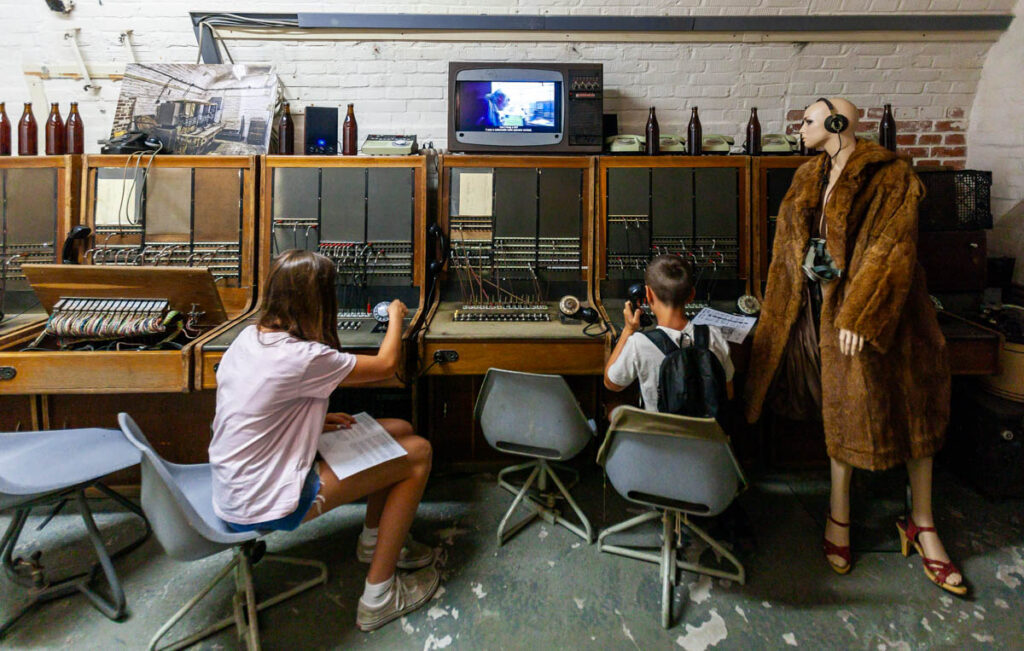
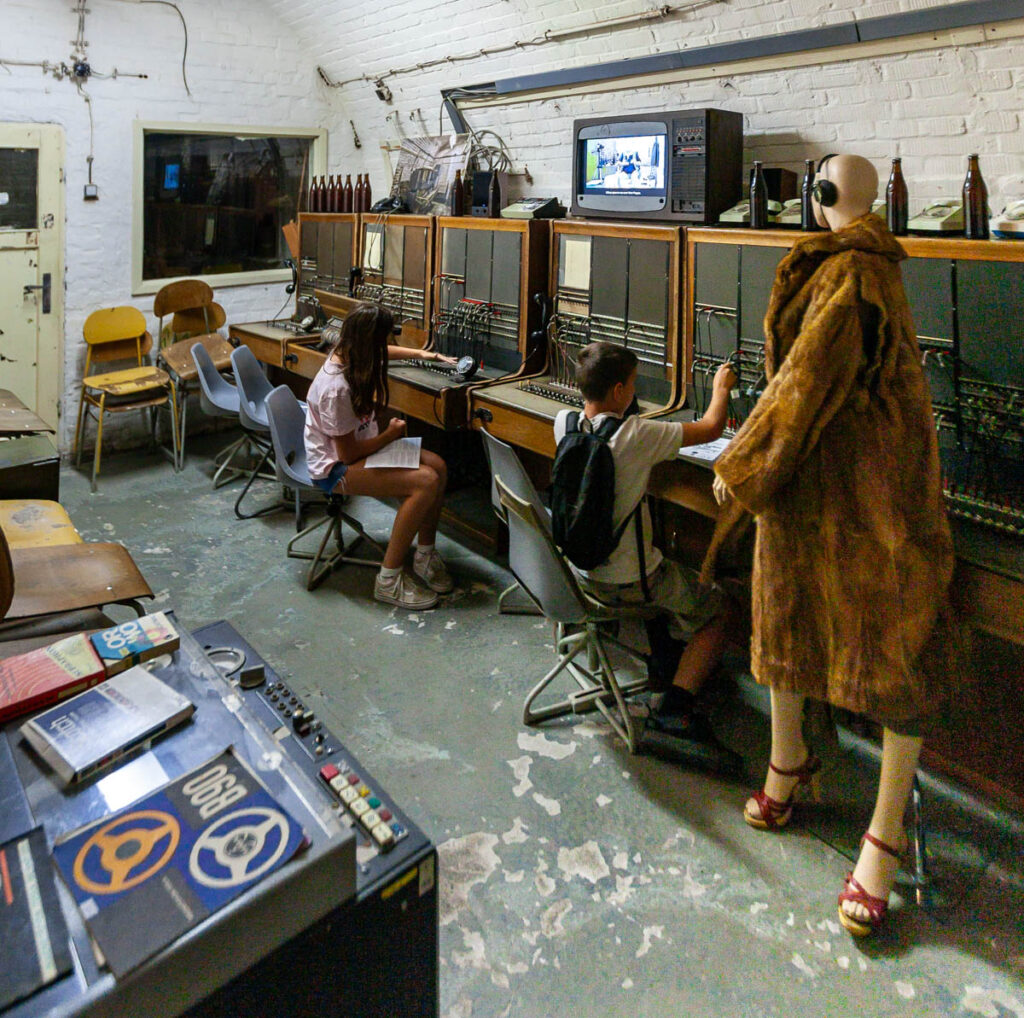
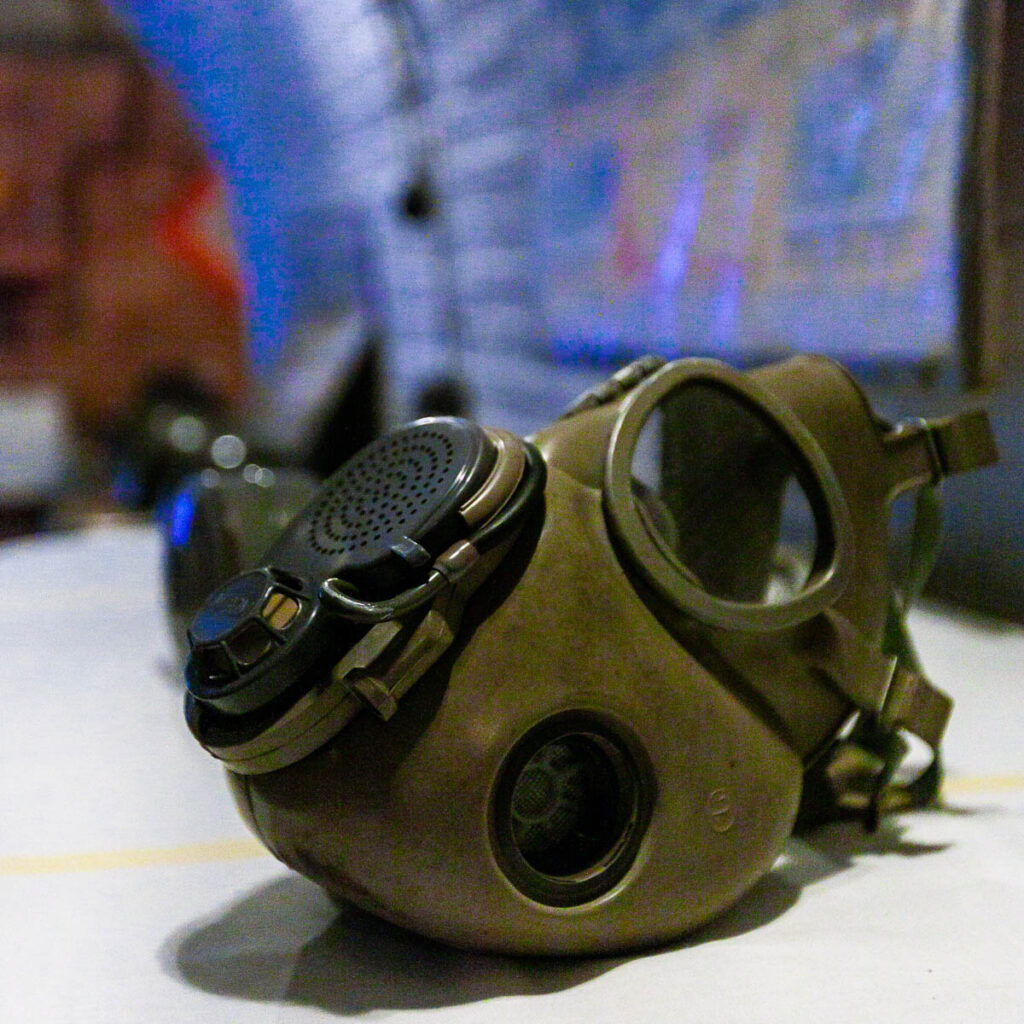
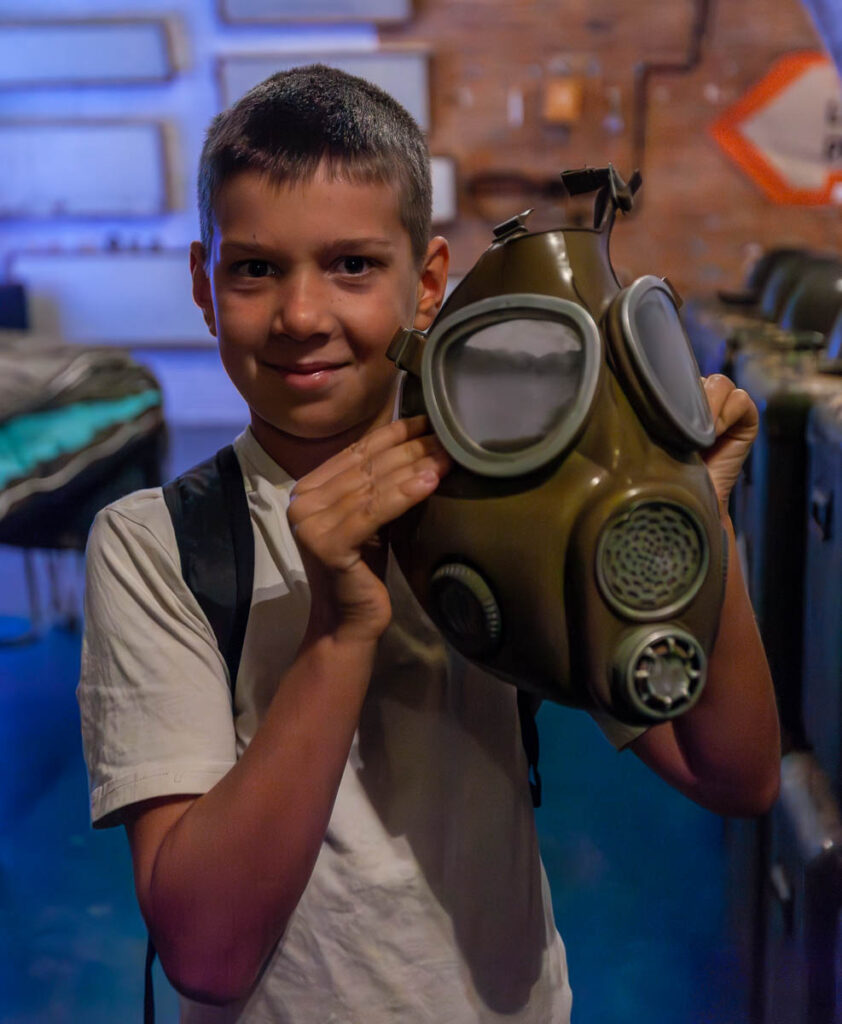
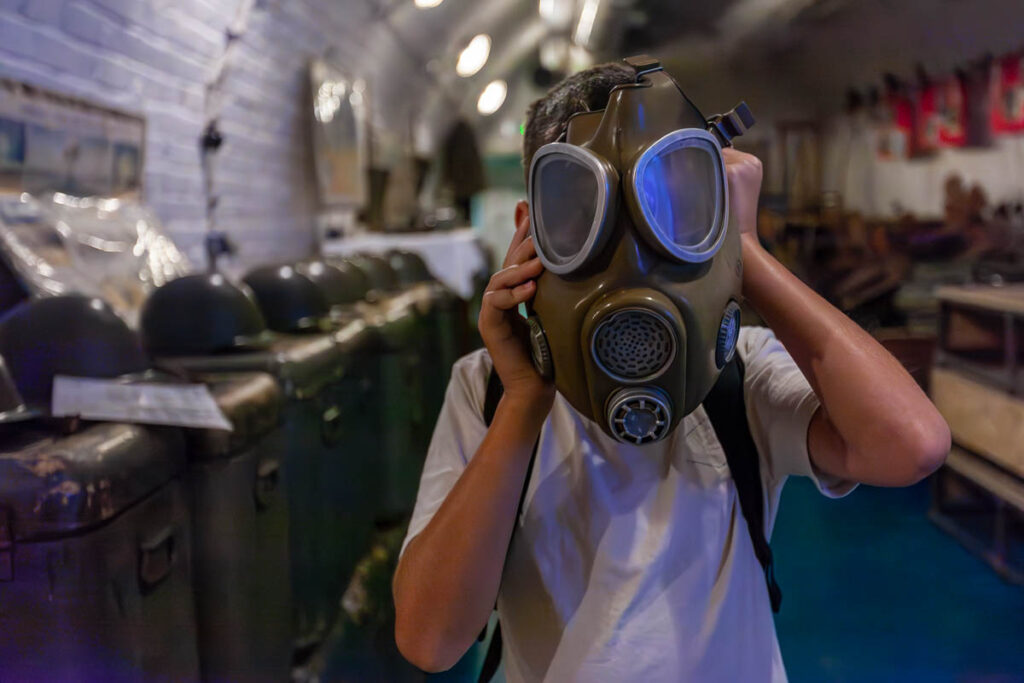
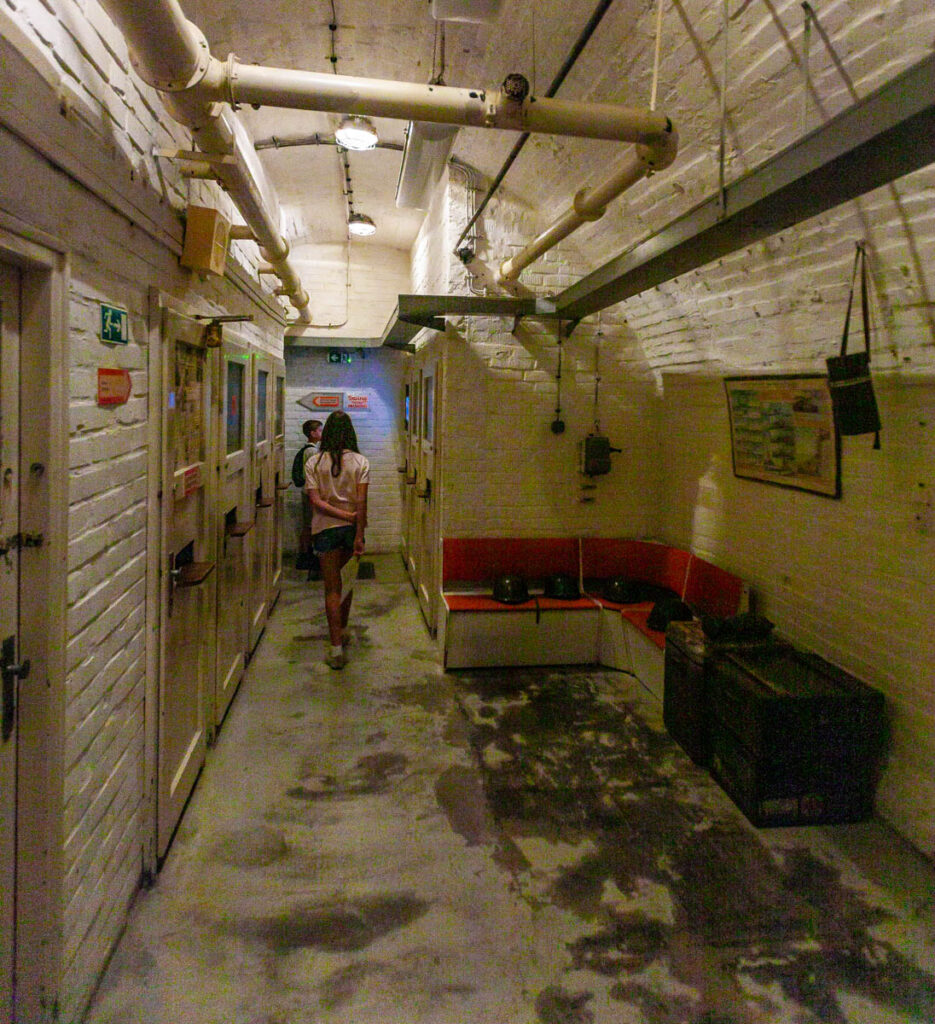
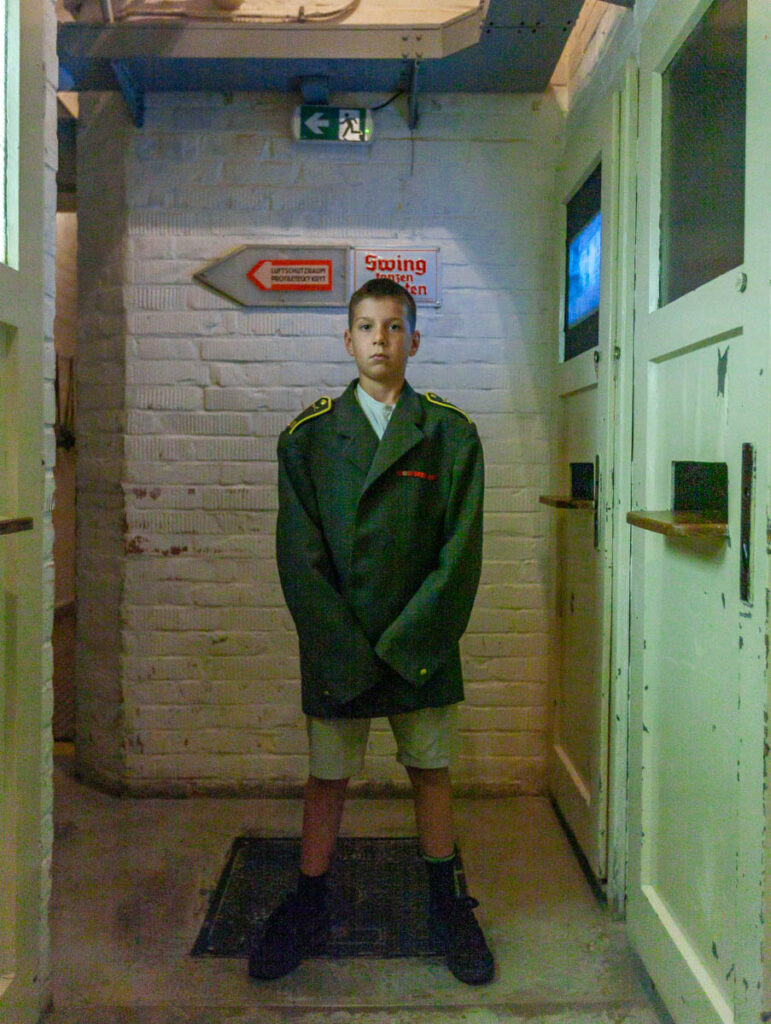
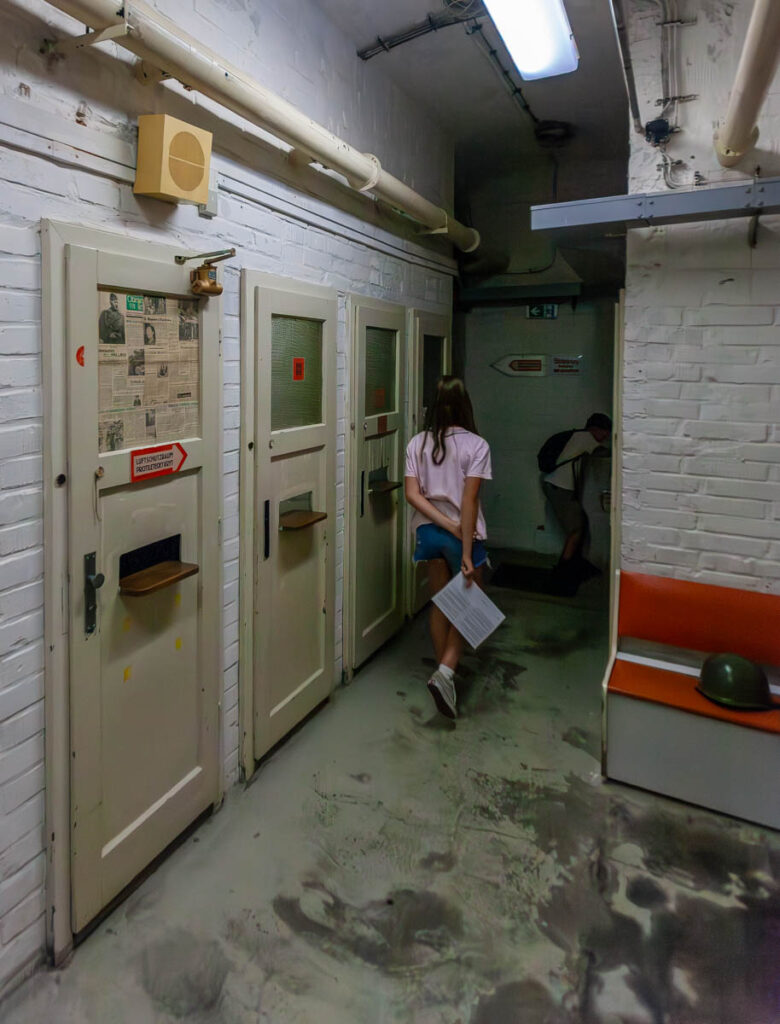
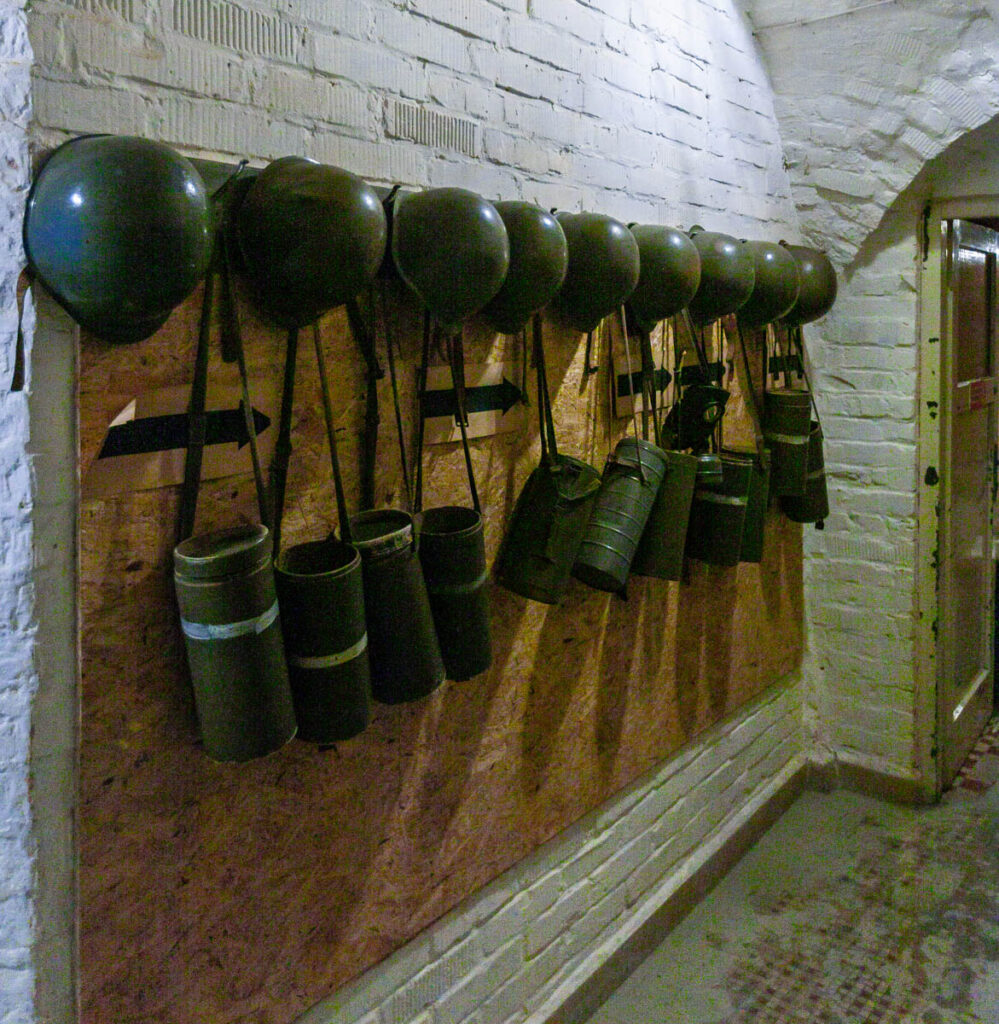
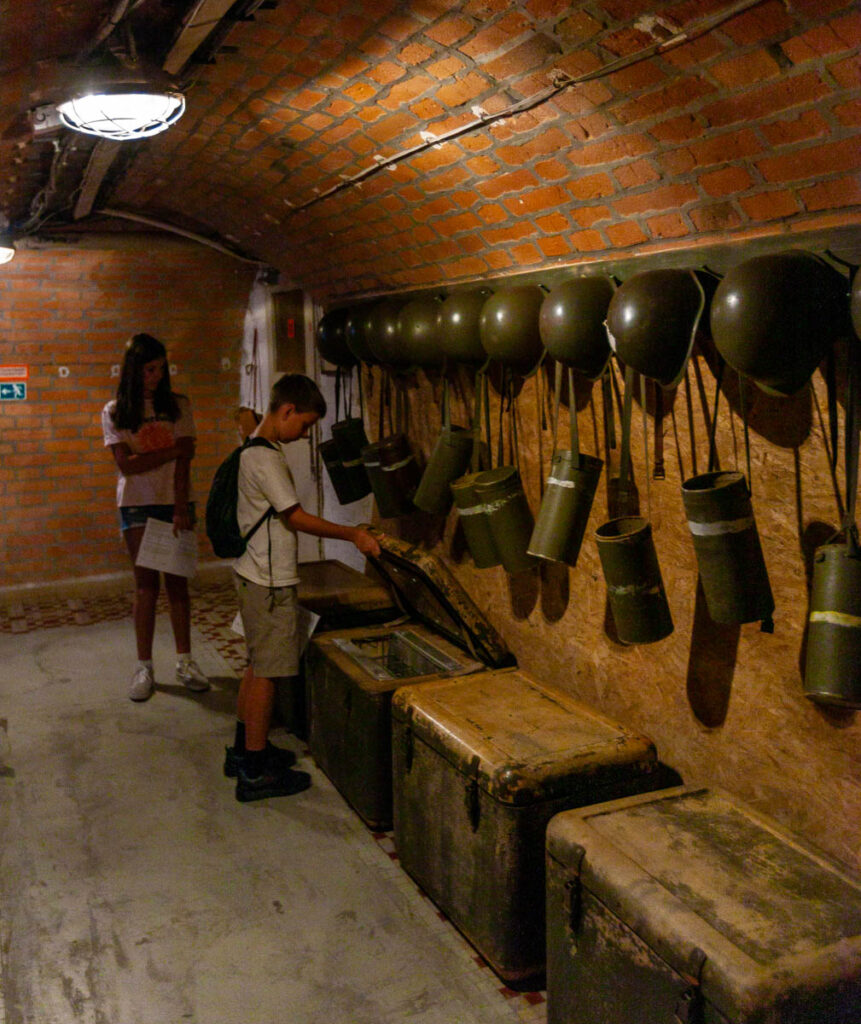
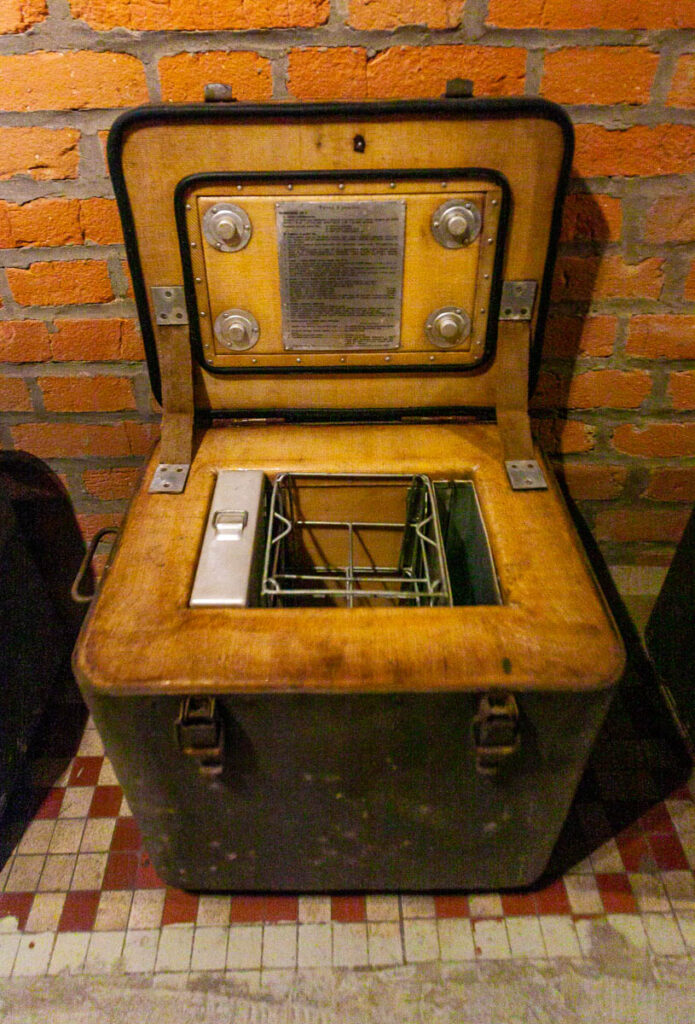
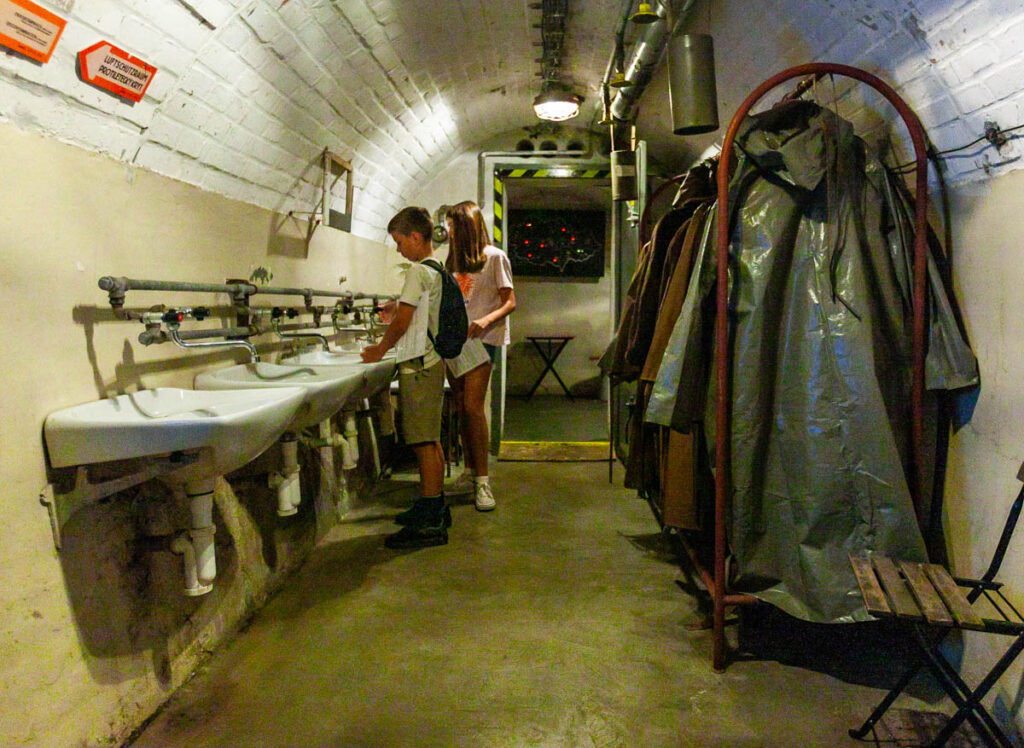
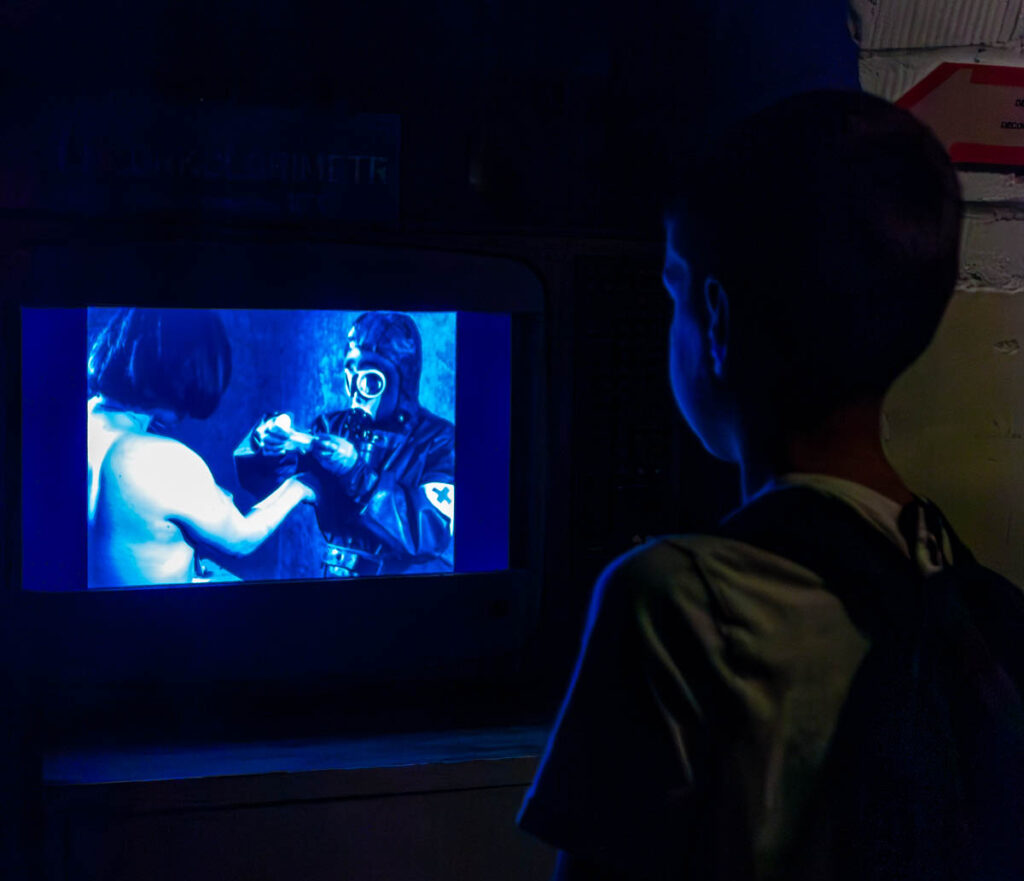
Brno was undoubtedly picturesque above ground, but underneath the city was host to a handful of fascinating historical sites. The tourism agency did an exceptional job transforming crypts, ossuaries, water tanks, and military bunkers into a vast, centralized network of tourist spots, cleverly branded as Brno Underground. The kids’ favorite site was without a doubt Bunker 10-Z: a massive underground network of tunnels built as an atomic bomb shelter to house Czechoslovakia’s military and political elite during the Cold War. It was huge. It took us about an hour to explore and was remarkably well done, with all the Cold War era gas masks and bomb suits on display, as well as functional hardware available to touch. Fascinating. The bunker could house 600 people for three days in the event of an atomic bomb blast, and the Czechs thought of everything: intricate air filtration systems, a backup telephone exchange designed to be able to maintain the phone network across the country, production-quality kitchens, water filtration, you name it… The exhibit was dotted with a handful of short documentary movies which showed everything from Cold War era communist propaganda to interviews with Brno locals who had to practice evacuation drills in the shelter when they were in their teens. Pretty amazing to learn that Bunker 10-Z was actually a top secret Czech military installation until 1993 when Czechoslovakia dissolved into present day Czechia and Slovakia. Well worth the visit, although it was a little eerie seeing all the gas masks and bomb protection suits on display (eerie for me, Max thought it was the best thing since sliced bread…).
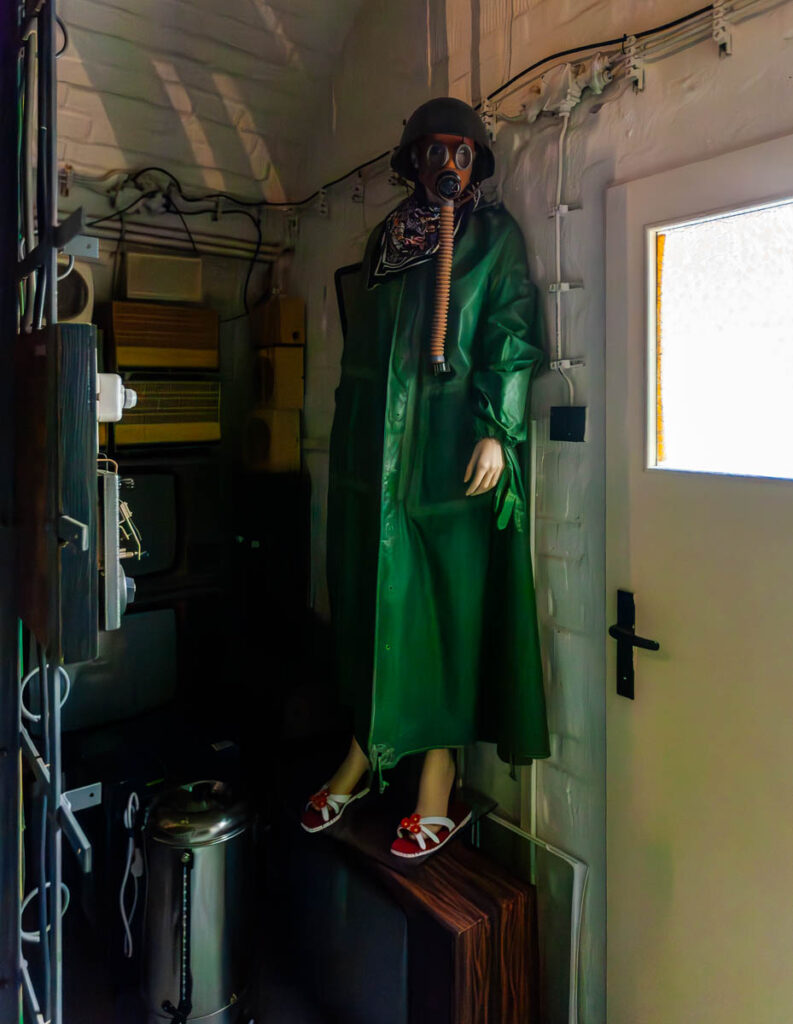
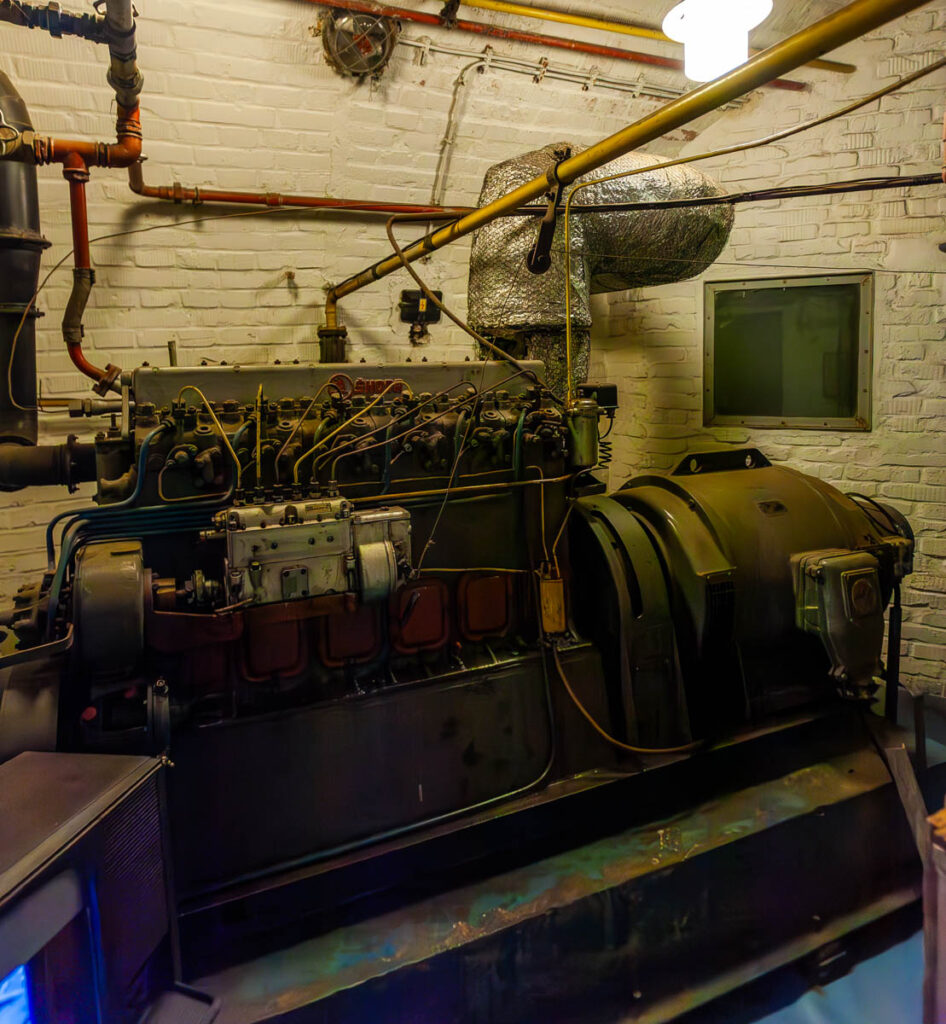
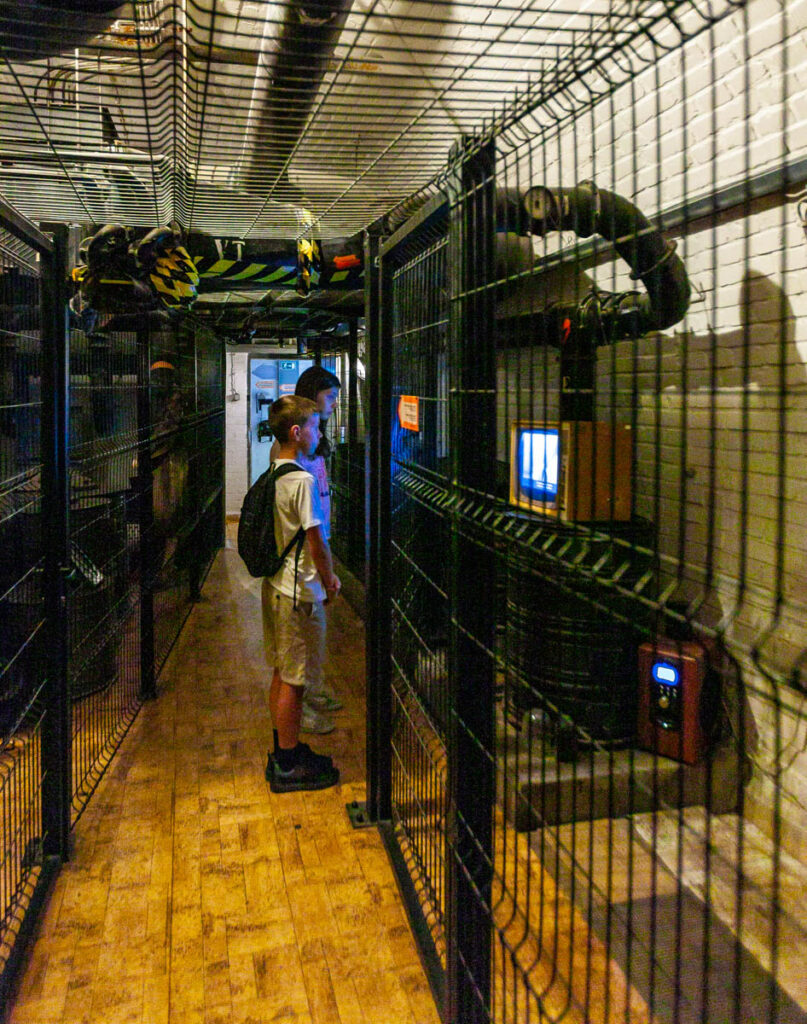
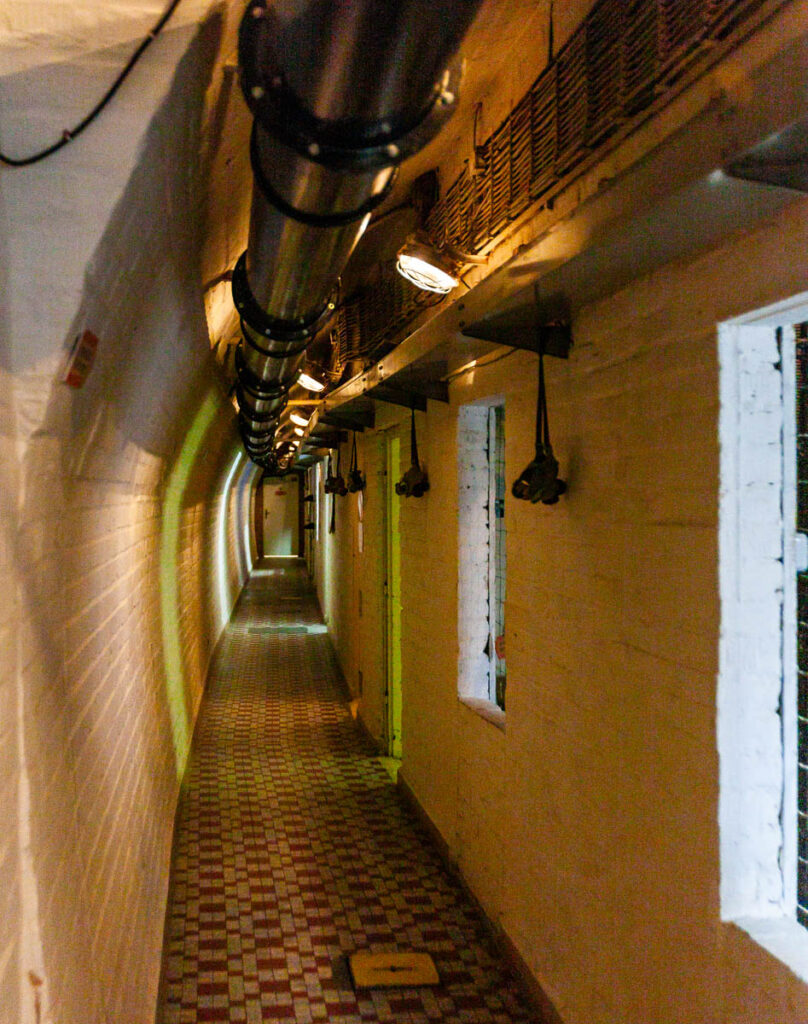
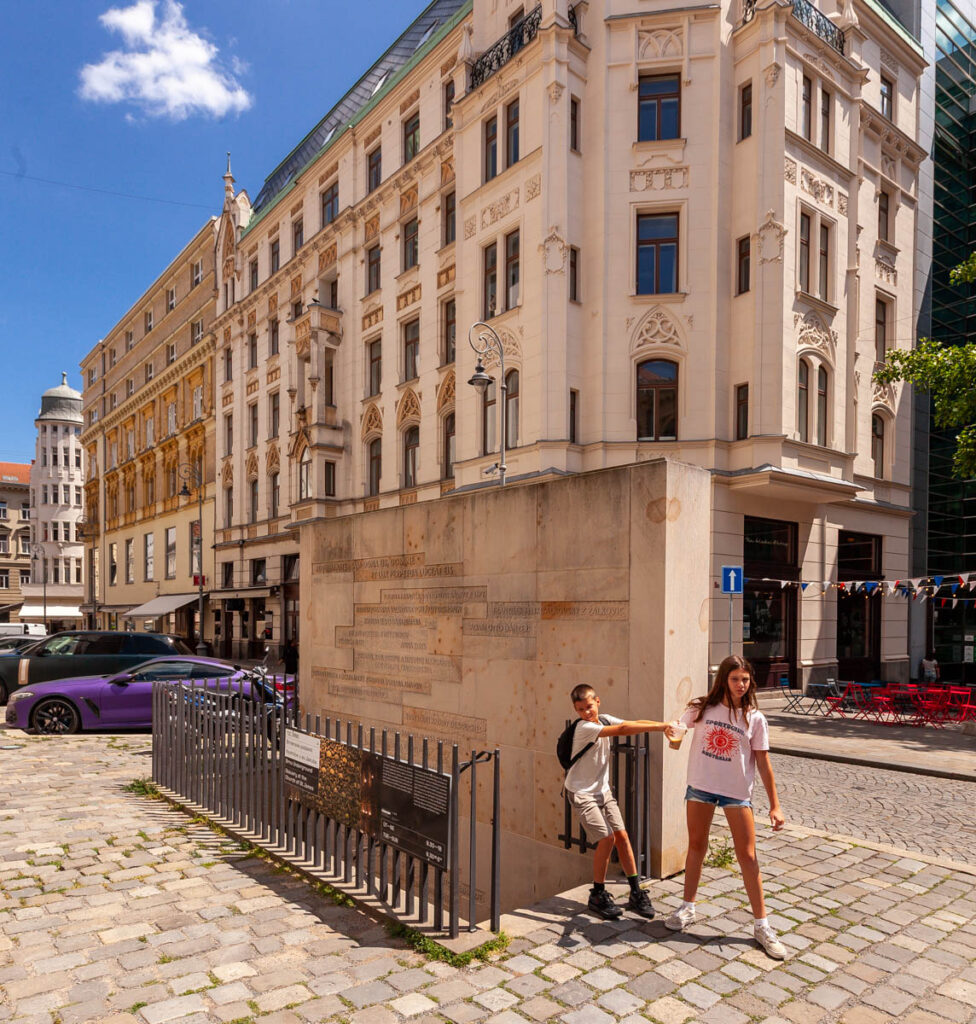
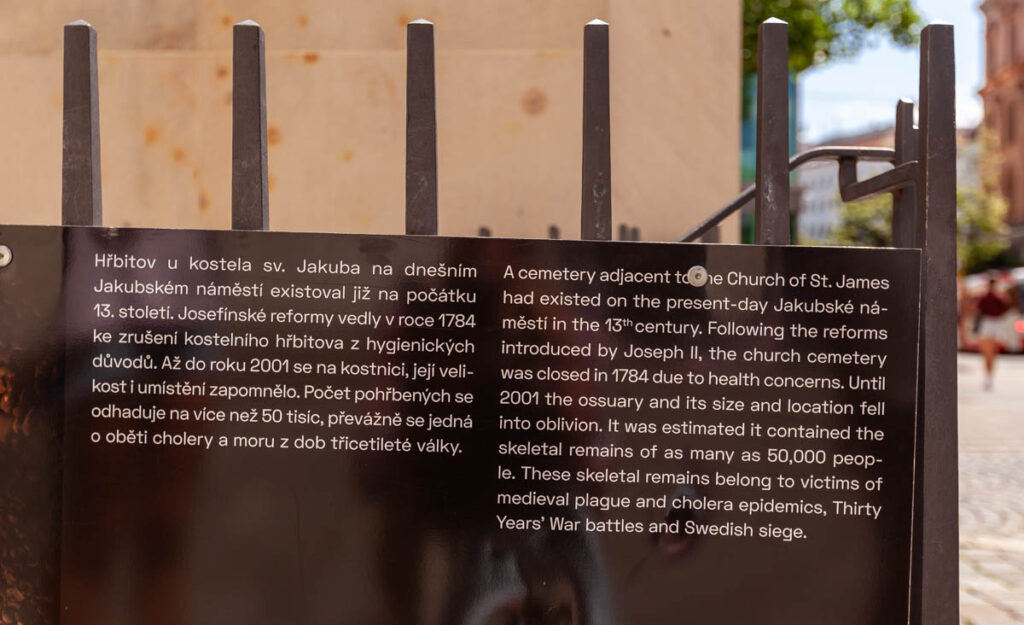
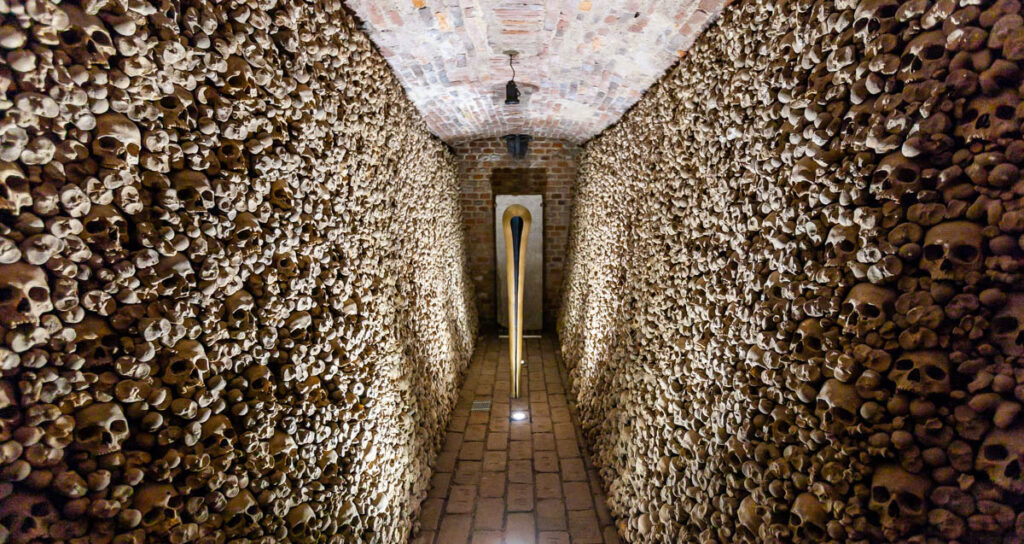
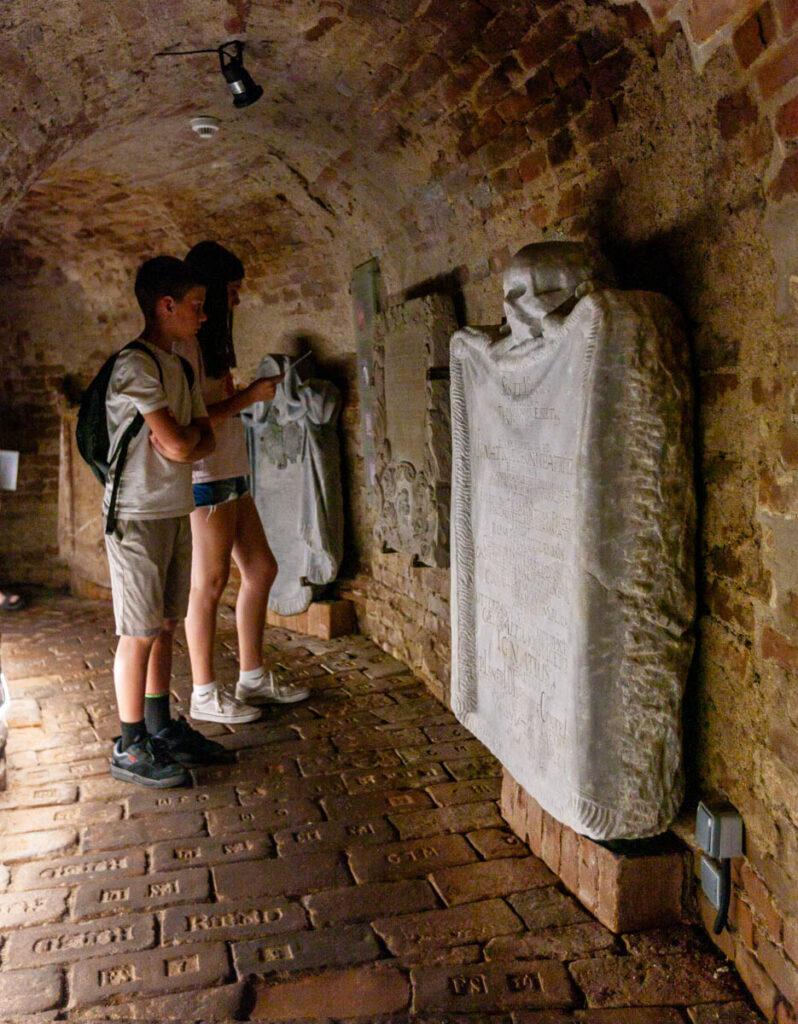
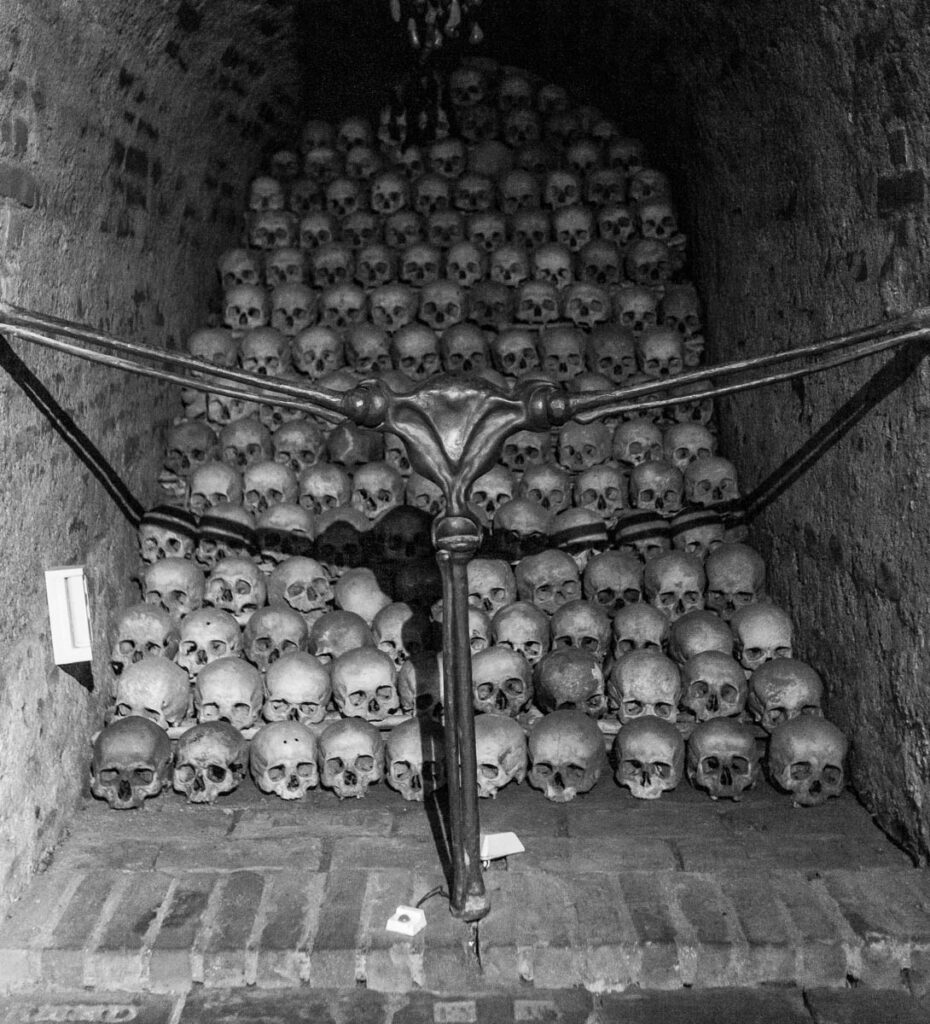
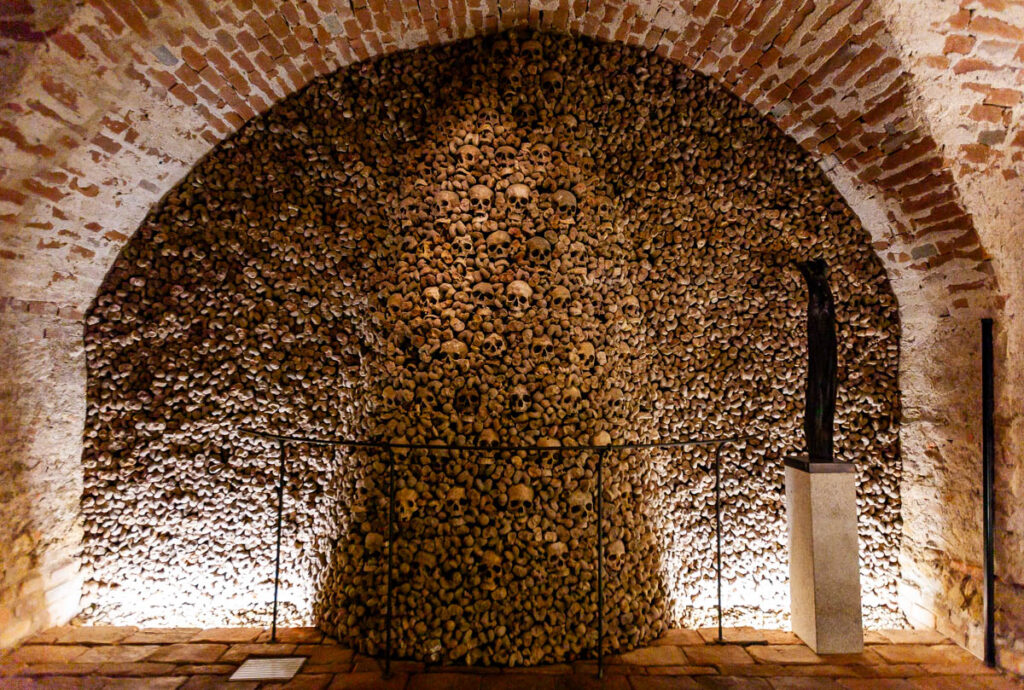
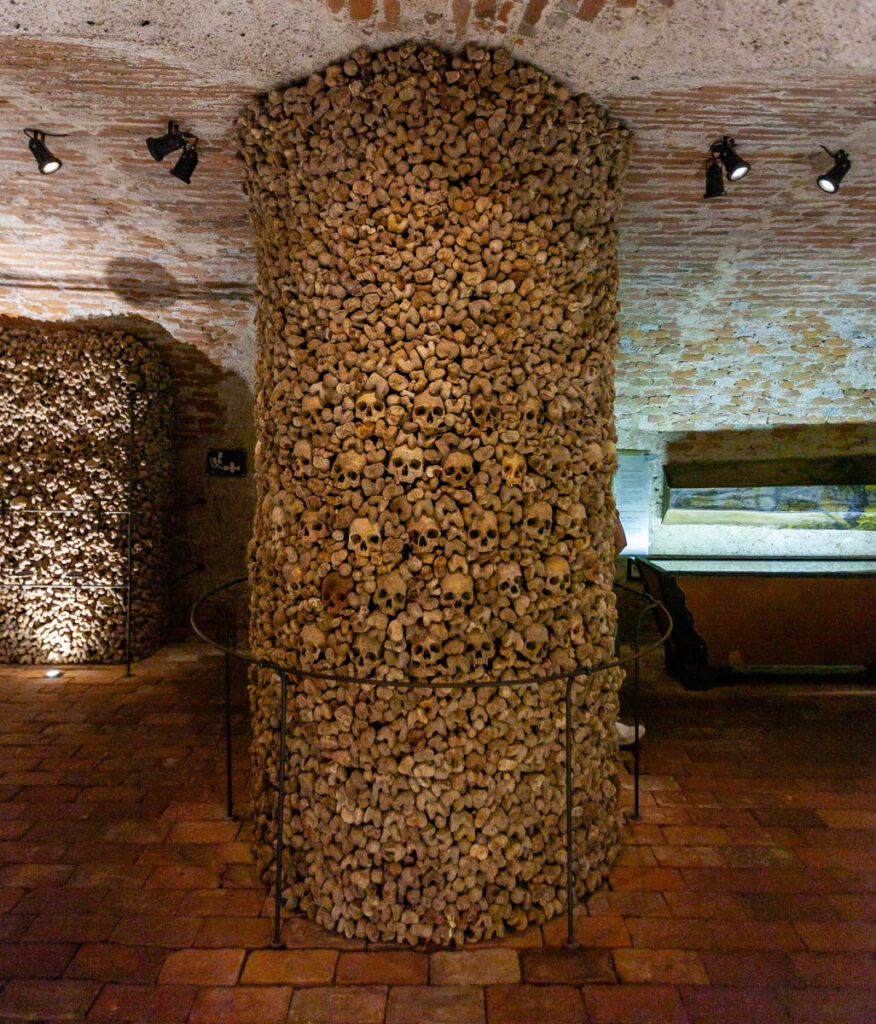
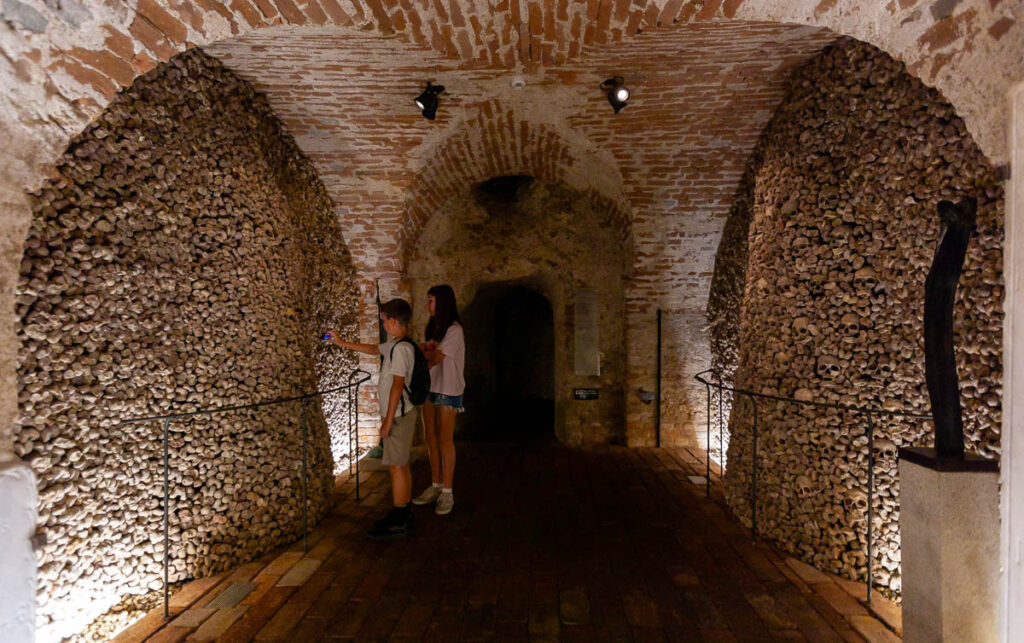
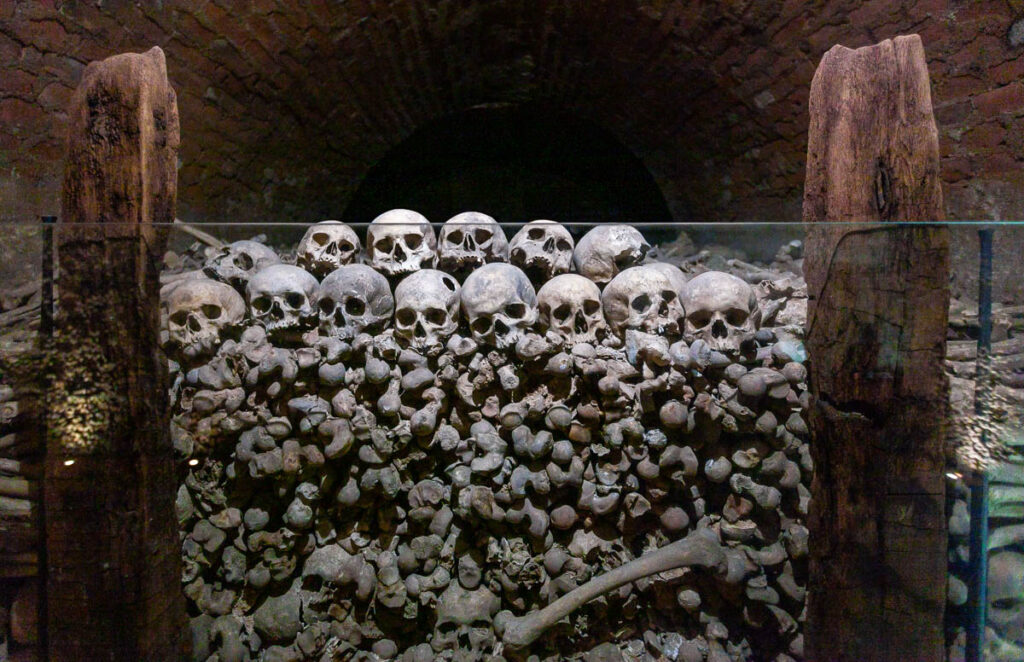
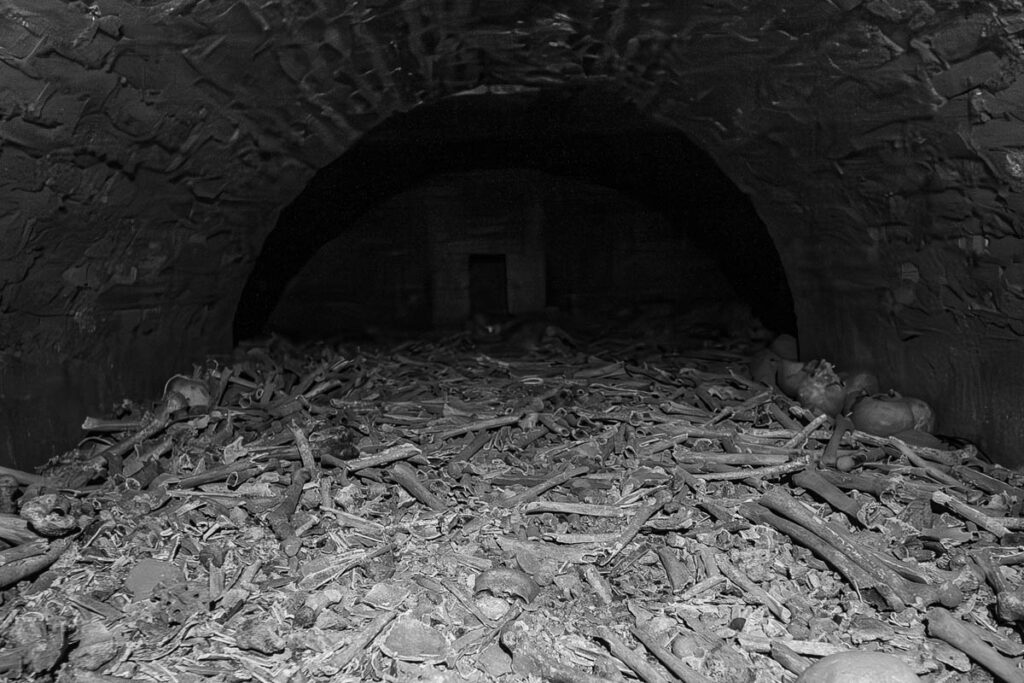
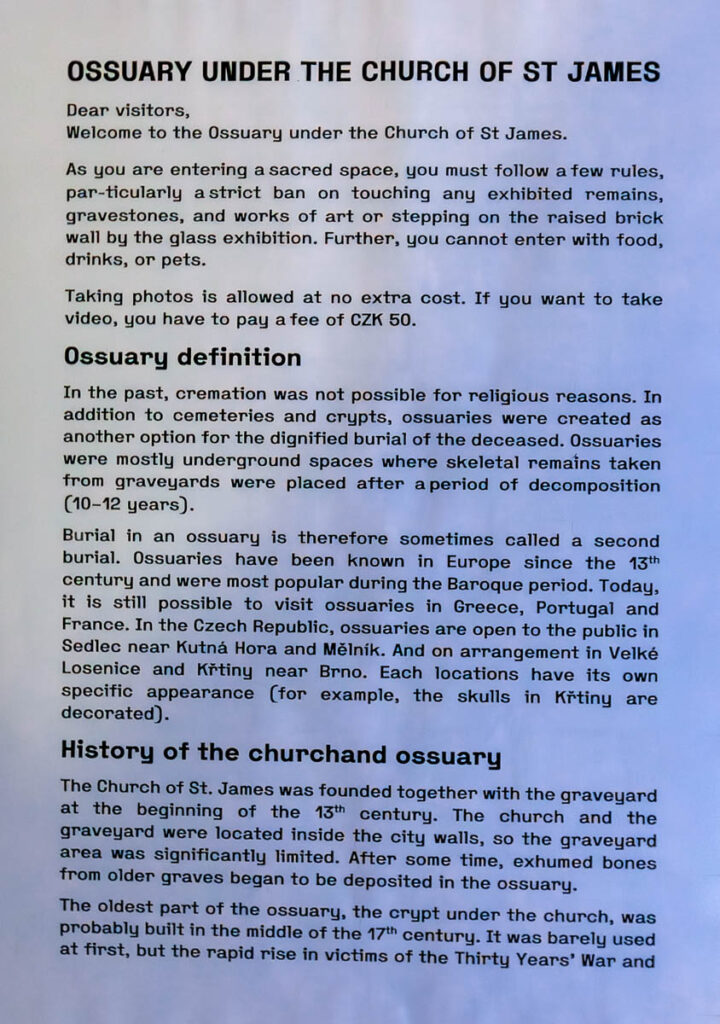
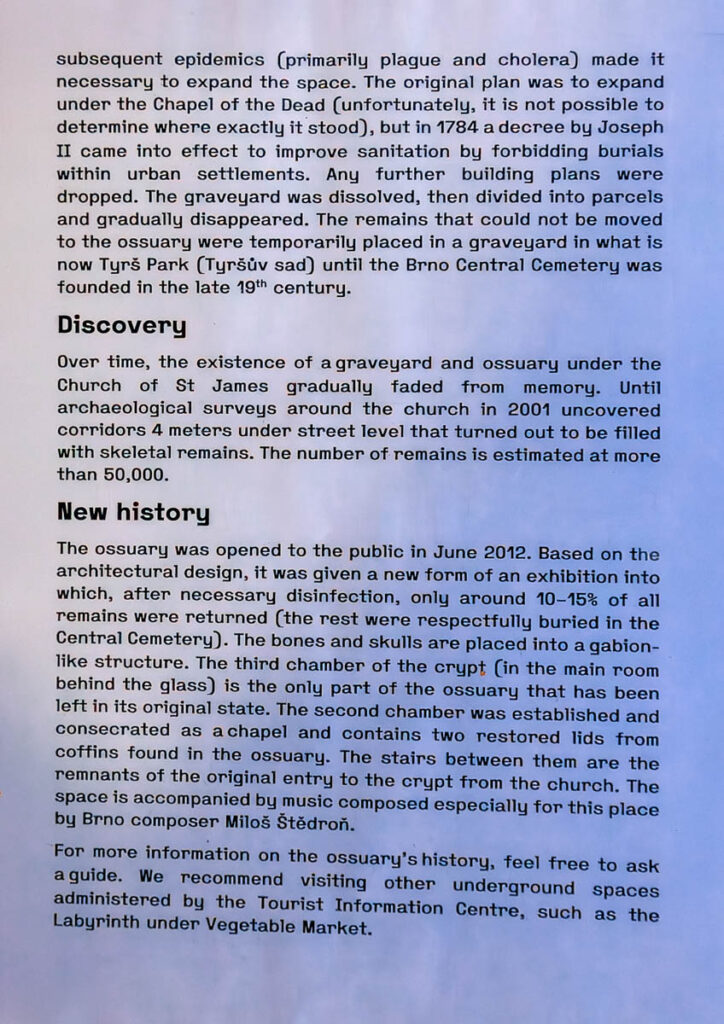
A short walk across the city center was another underground adventure to the ossuary under the Church of Saint James. Discovered during city works as recently as 2001, the ossuary is home to the bones of over 50,000 human souls, making it the second largest deposit of human remains in Europe (behind the catacombs of Paris). It was a little unnerving down there in the cramped catacombs face-to-face with the bones of literally thousands of unfortunate souls who died during the plague and cholera pandemics of the Middle Ages. The final photograph below, rendered in black and white, shows a section of the ossuary precisely as it was discovered in 2001: human bones piled over 10 feet high, almost reaching the catacomb ceiling. Brought back lotsa of memories from our time in Evora on halloween in 2021.
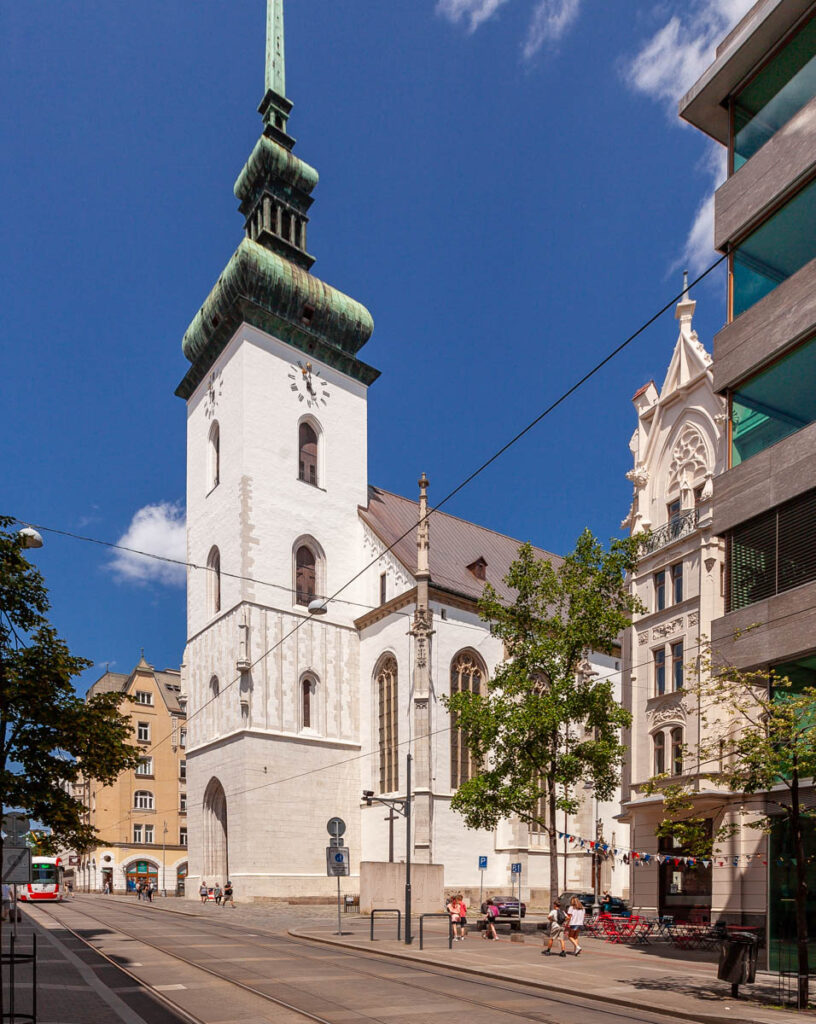
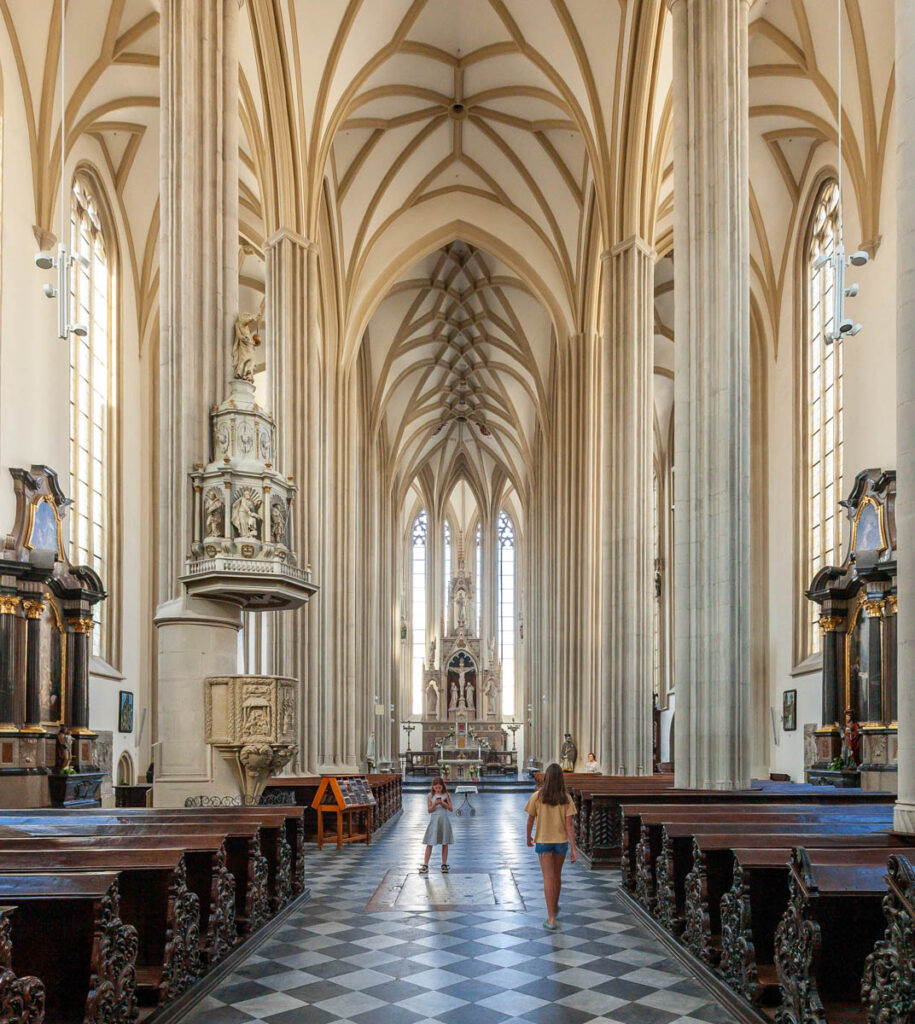
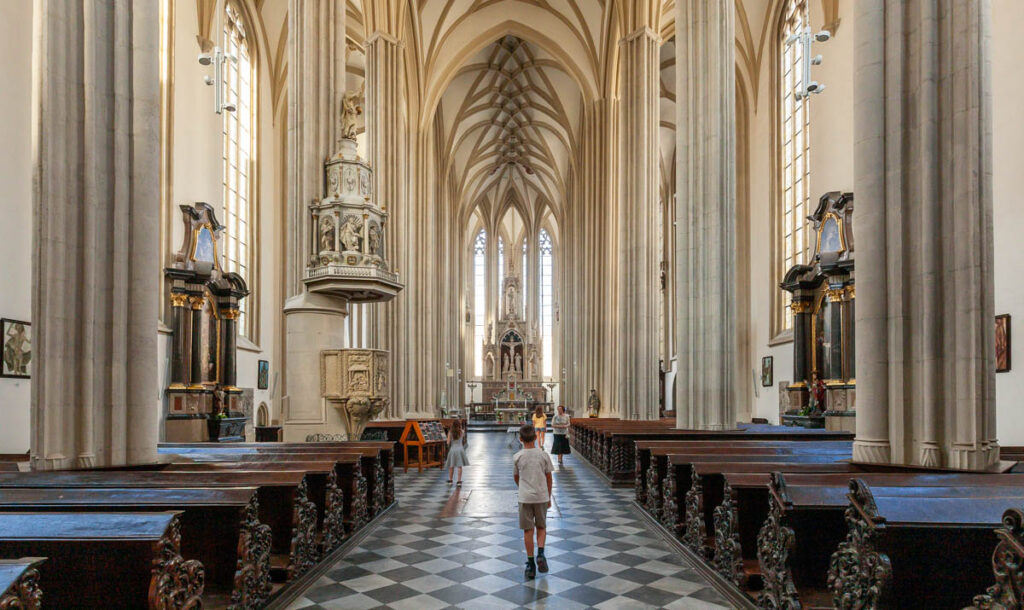
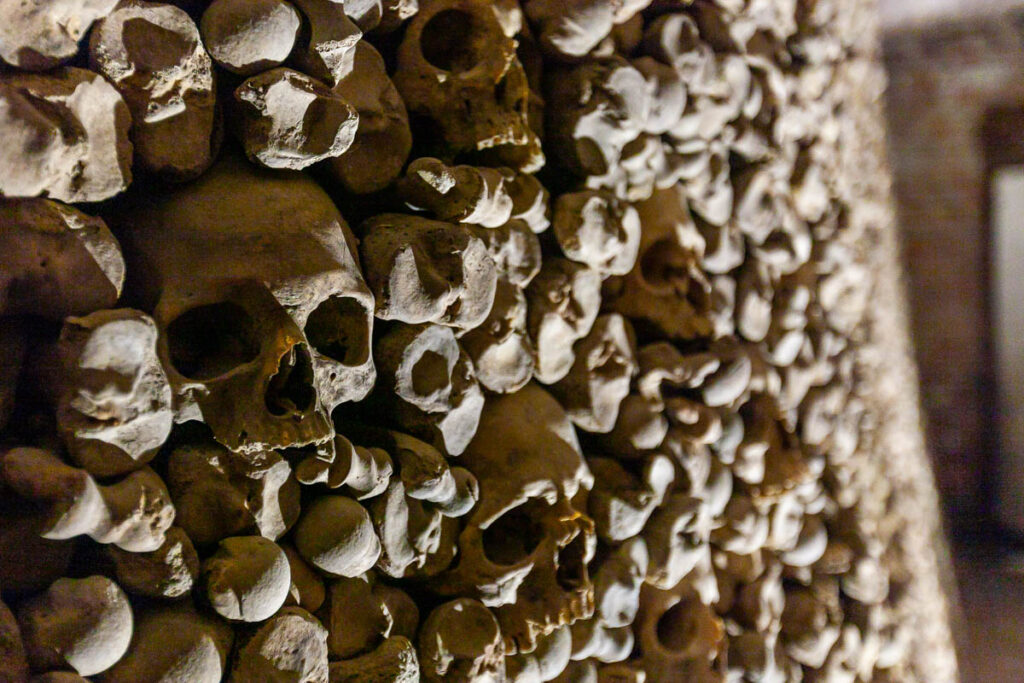
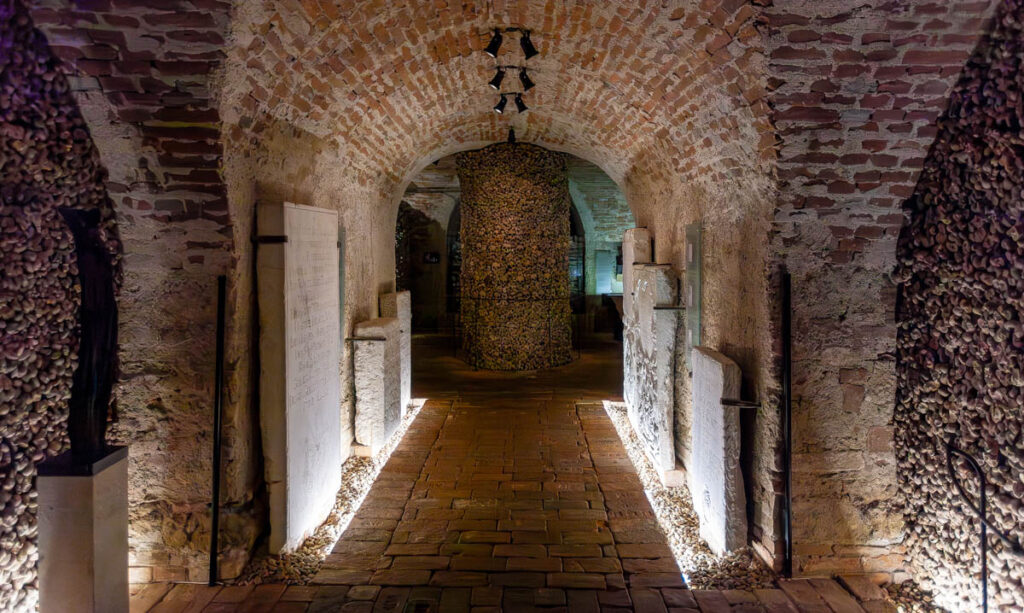
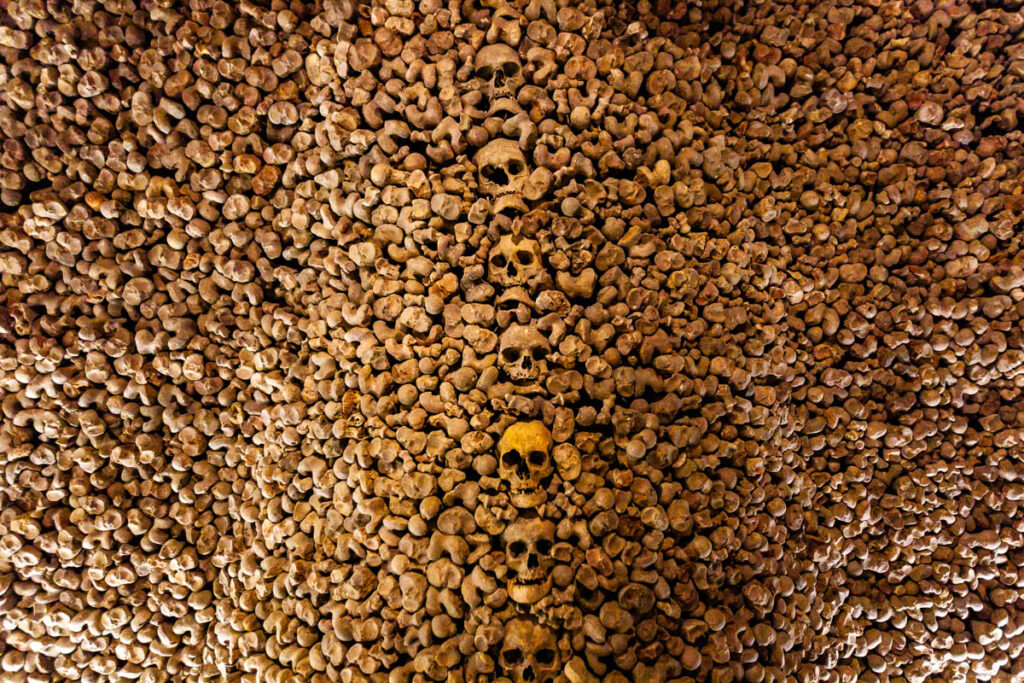
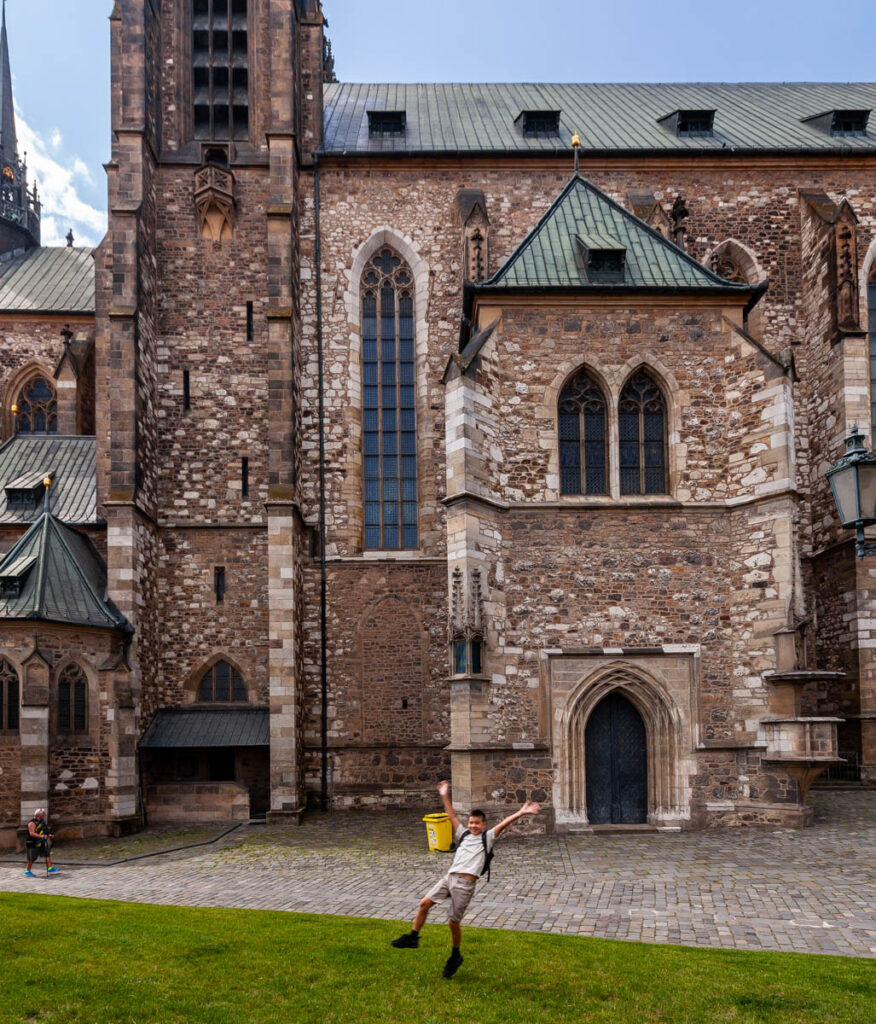
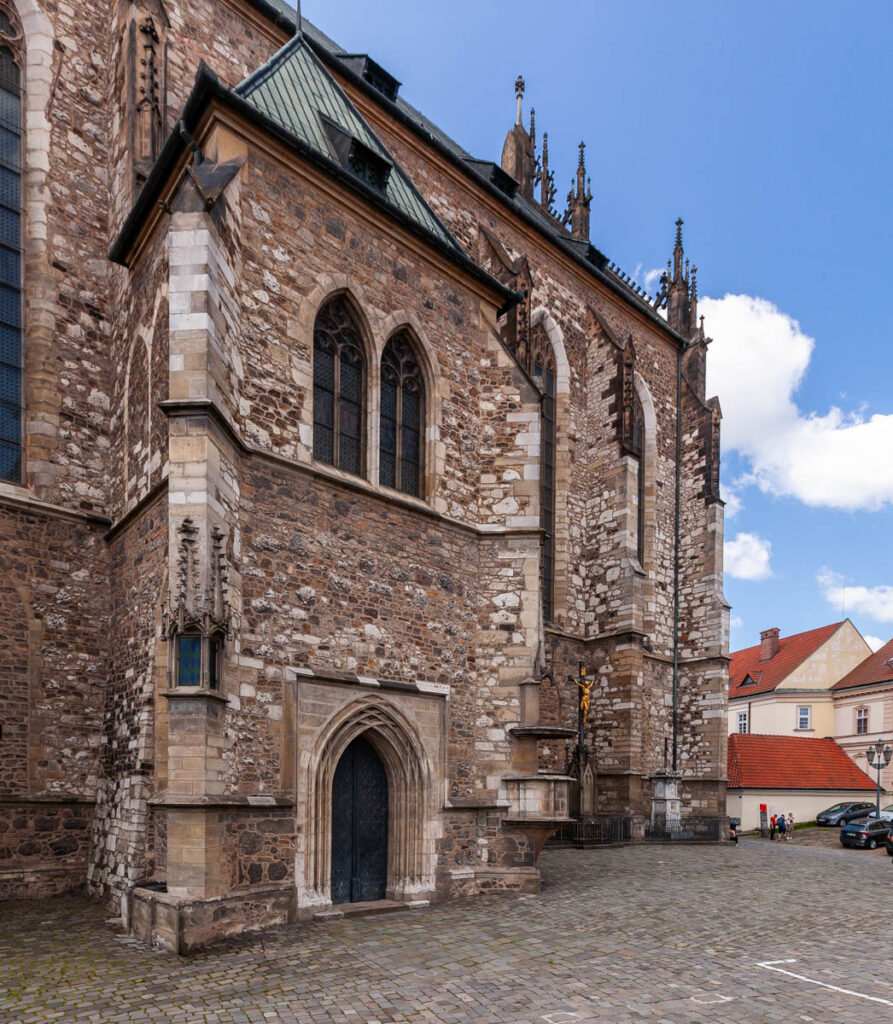
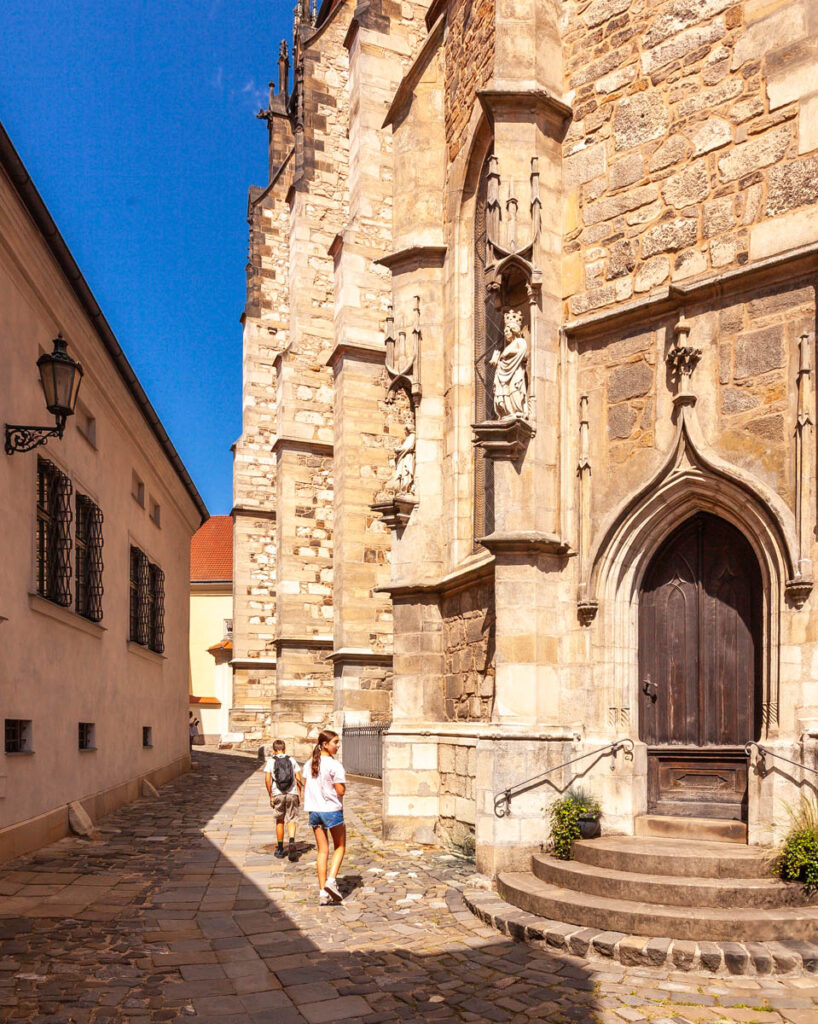
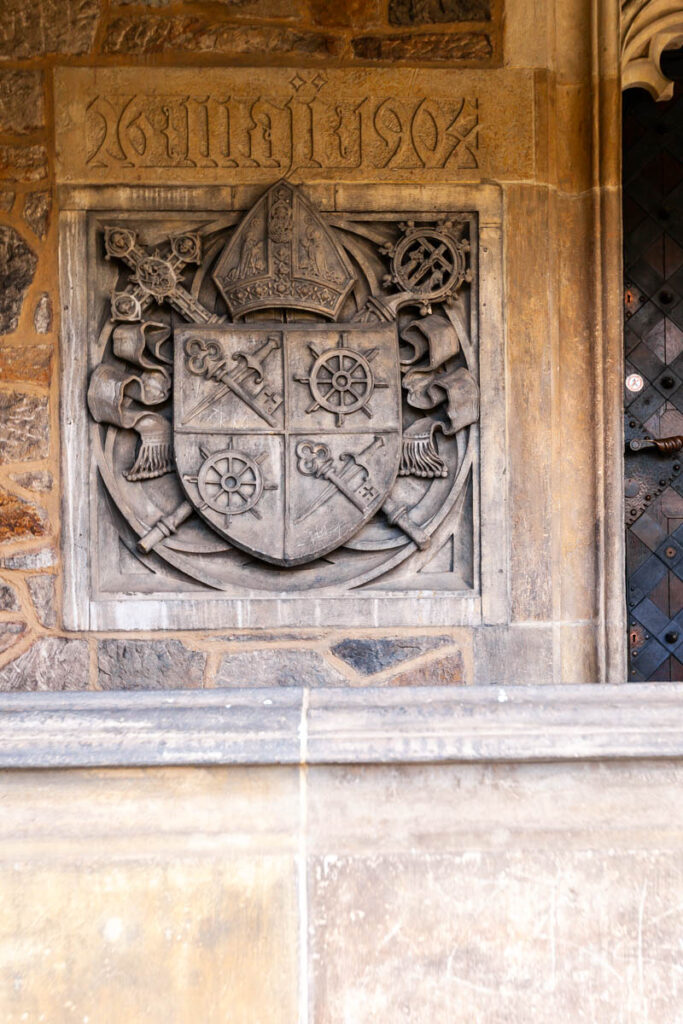
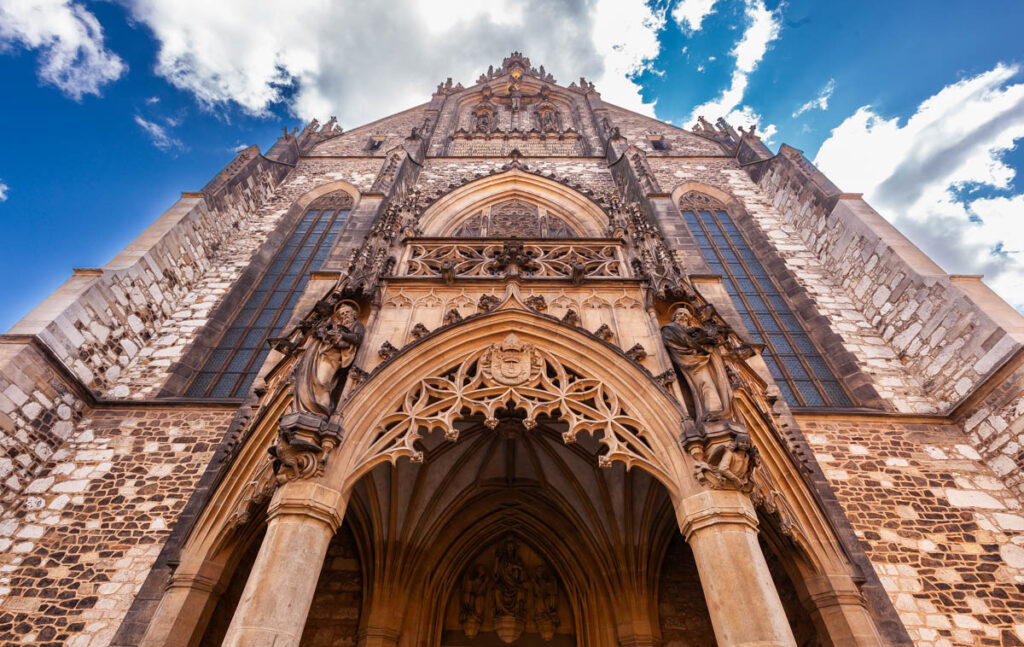
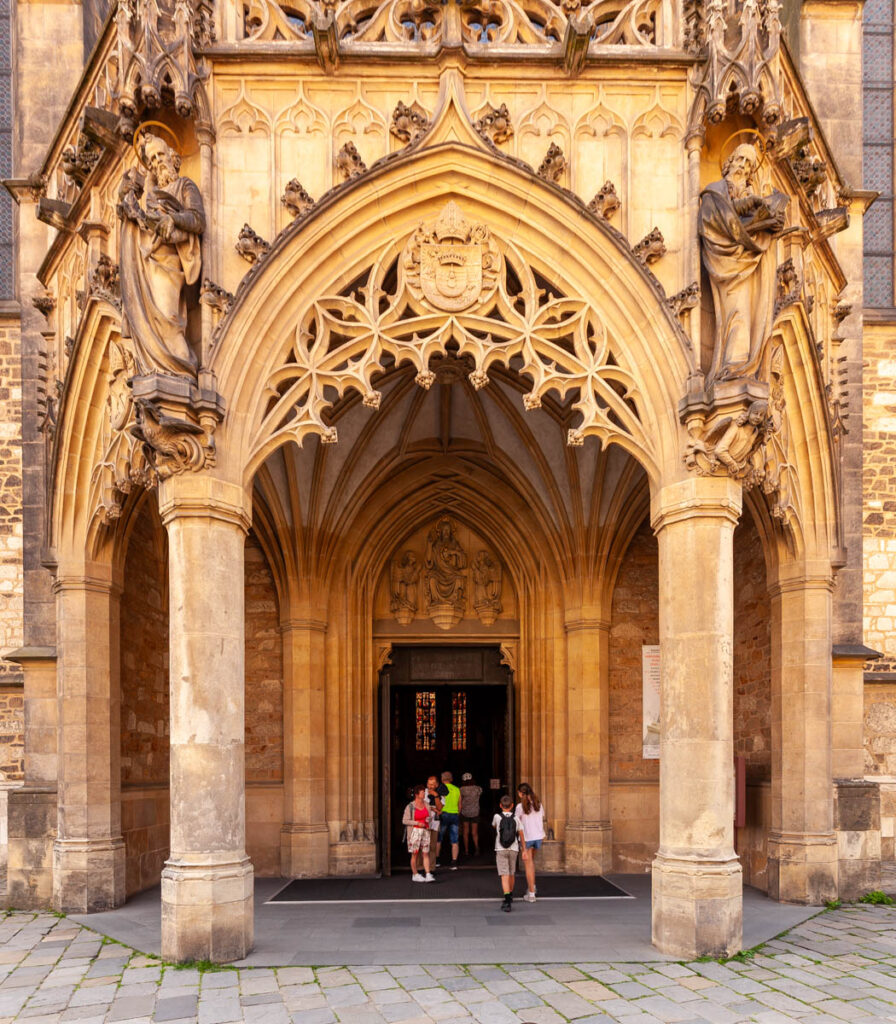
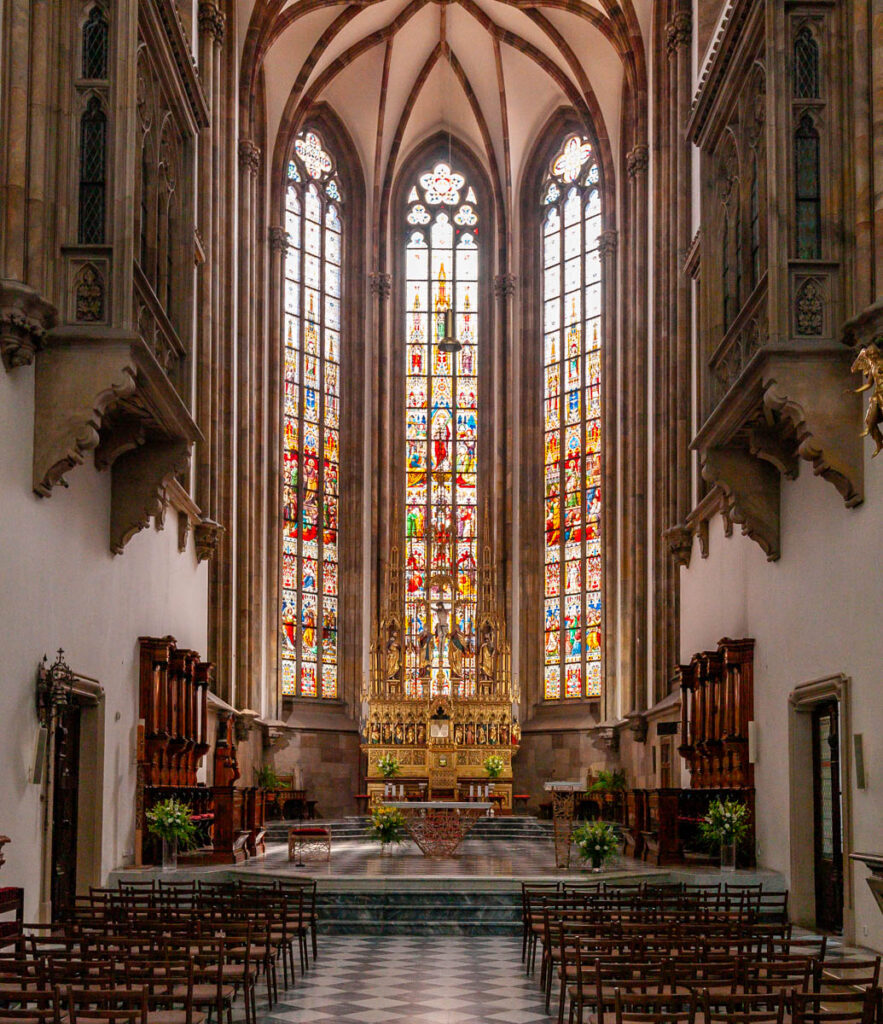
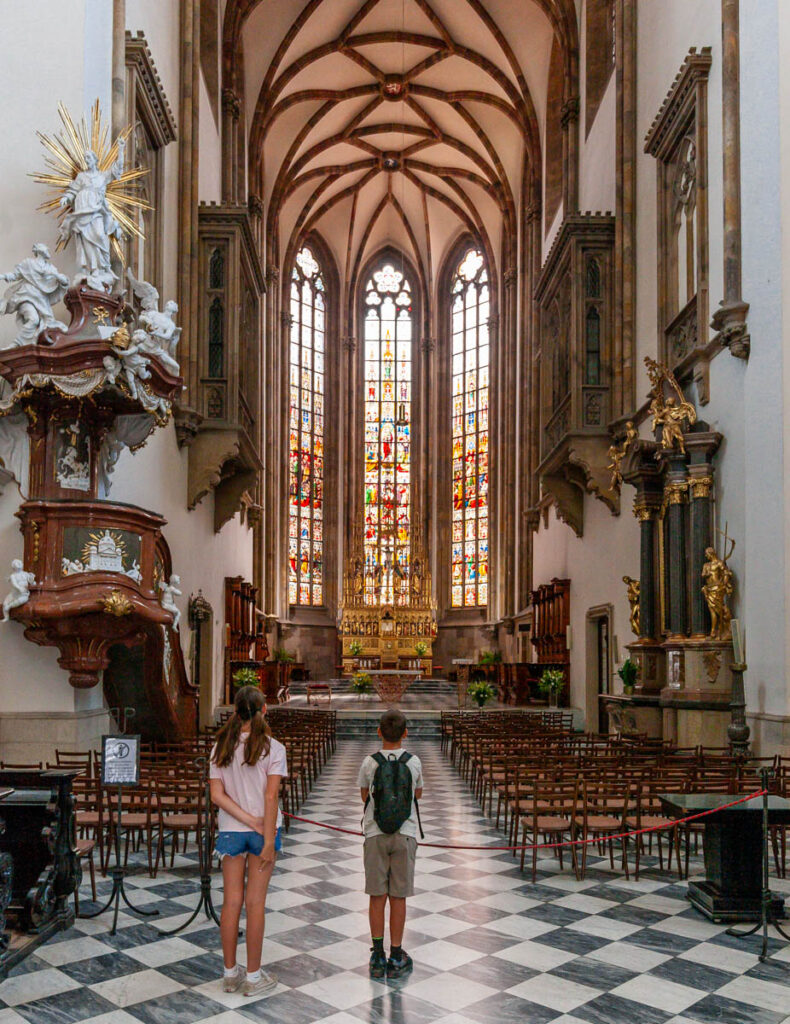
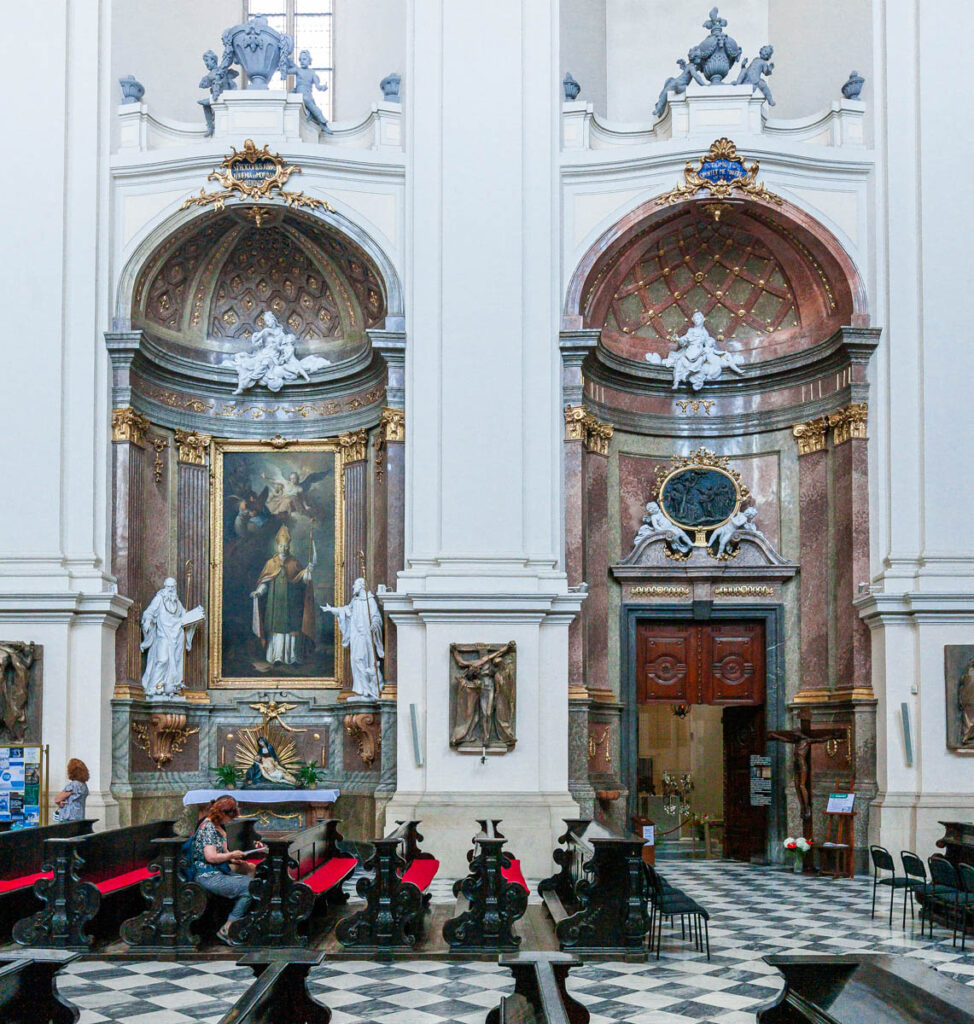
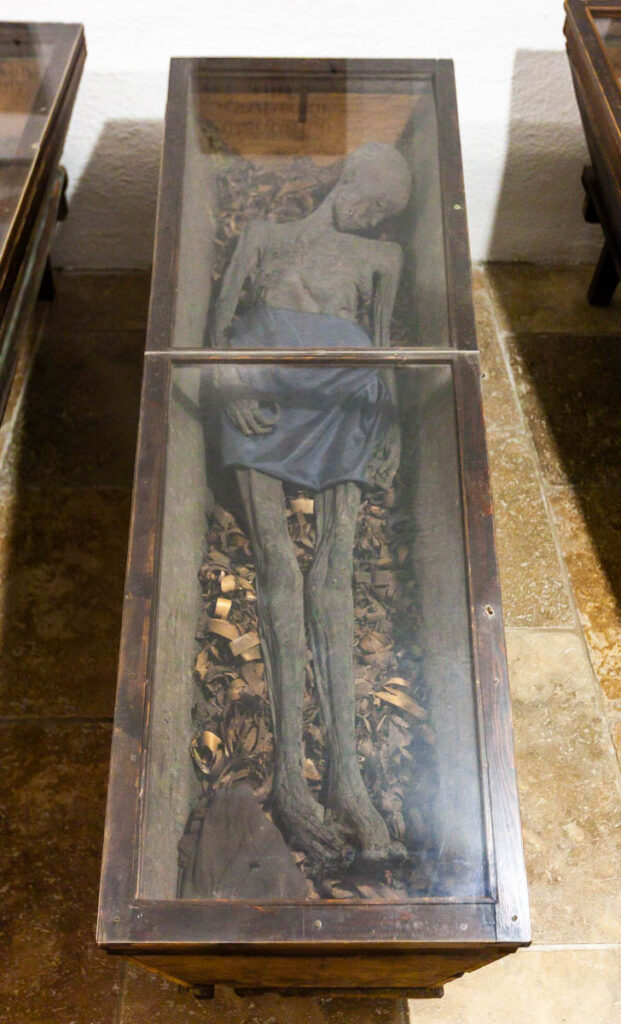
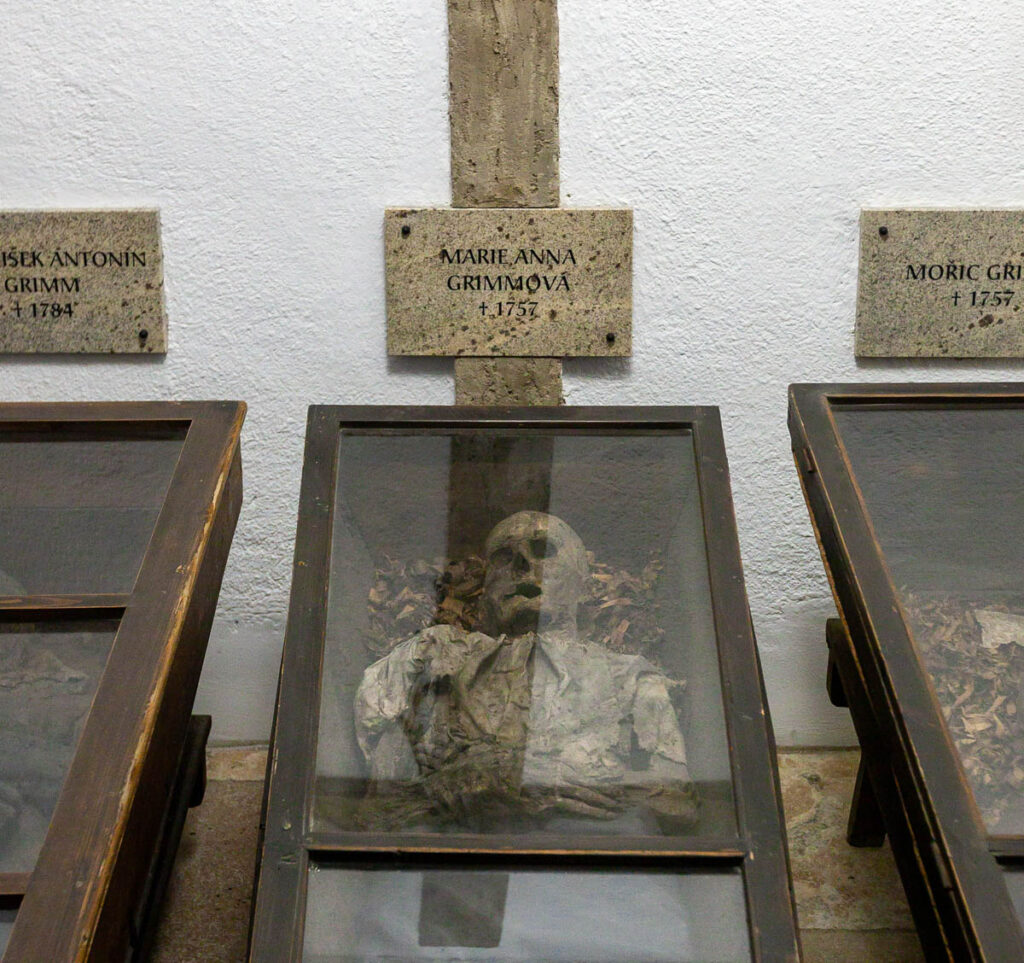
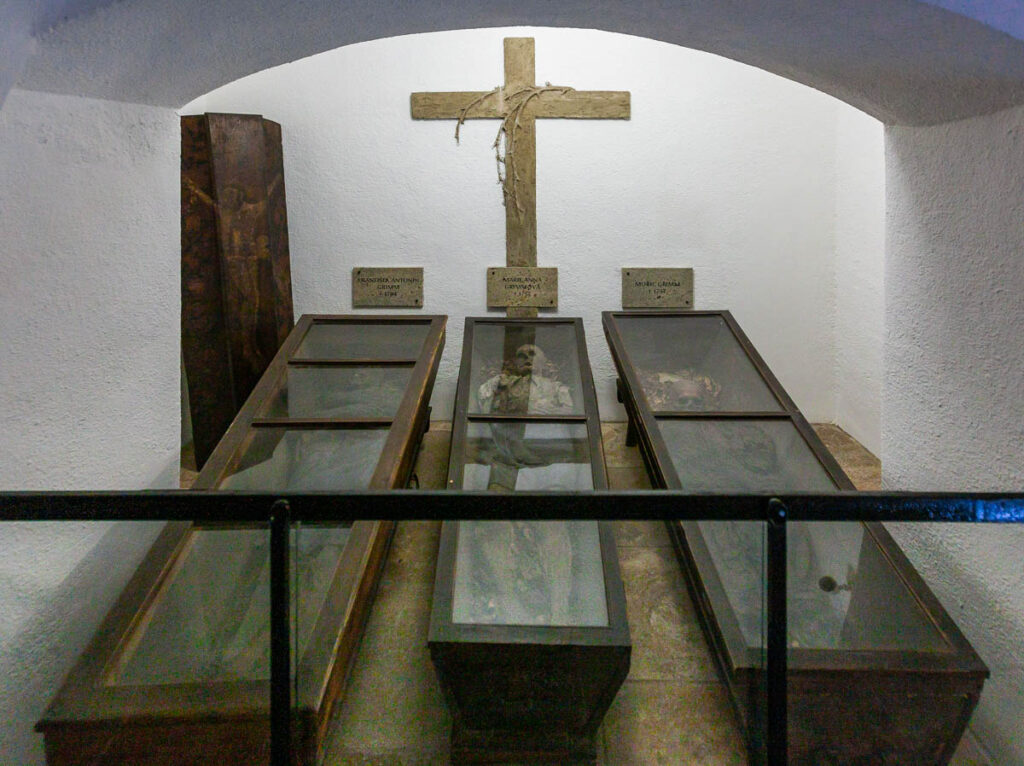
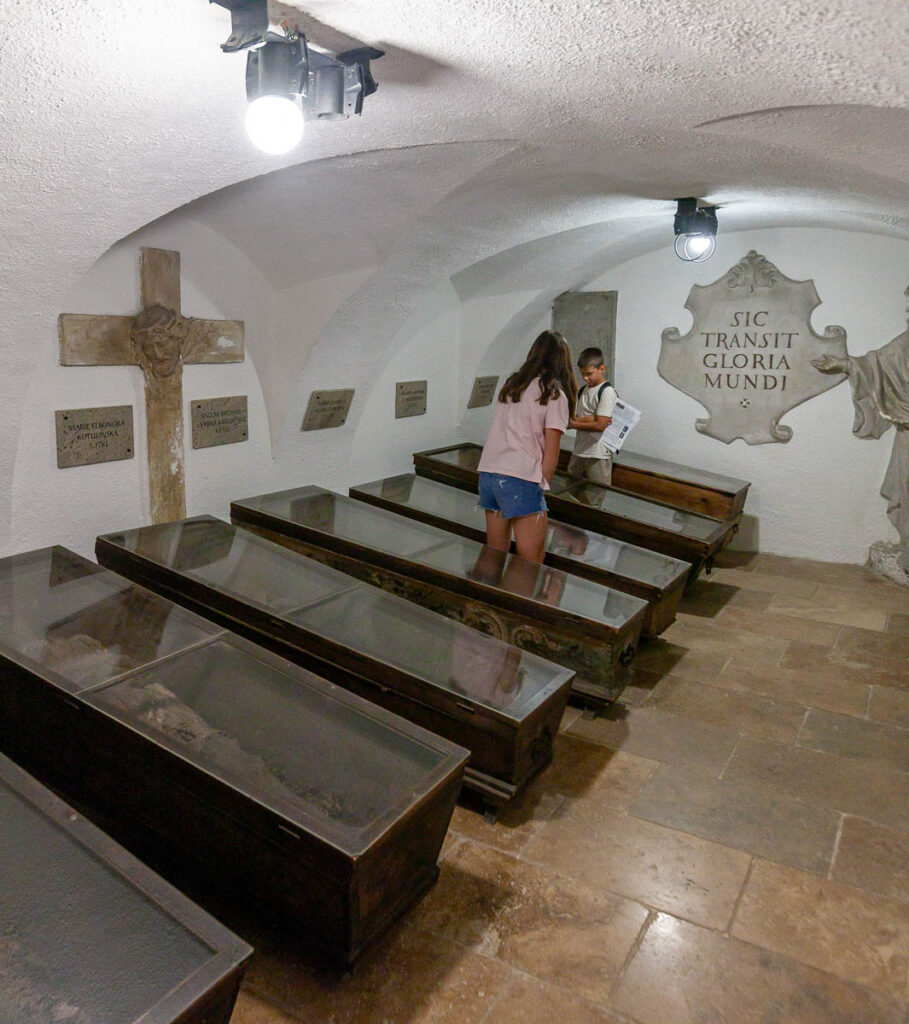
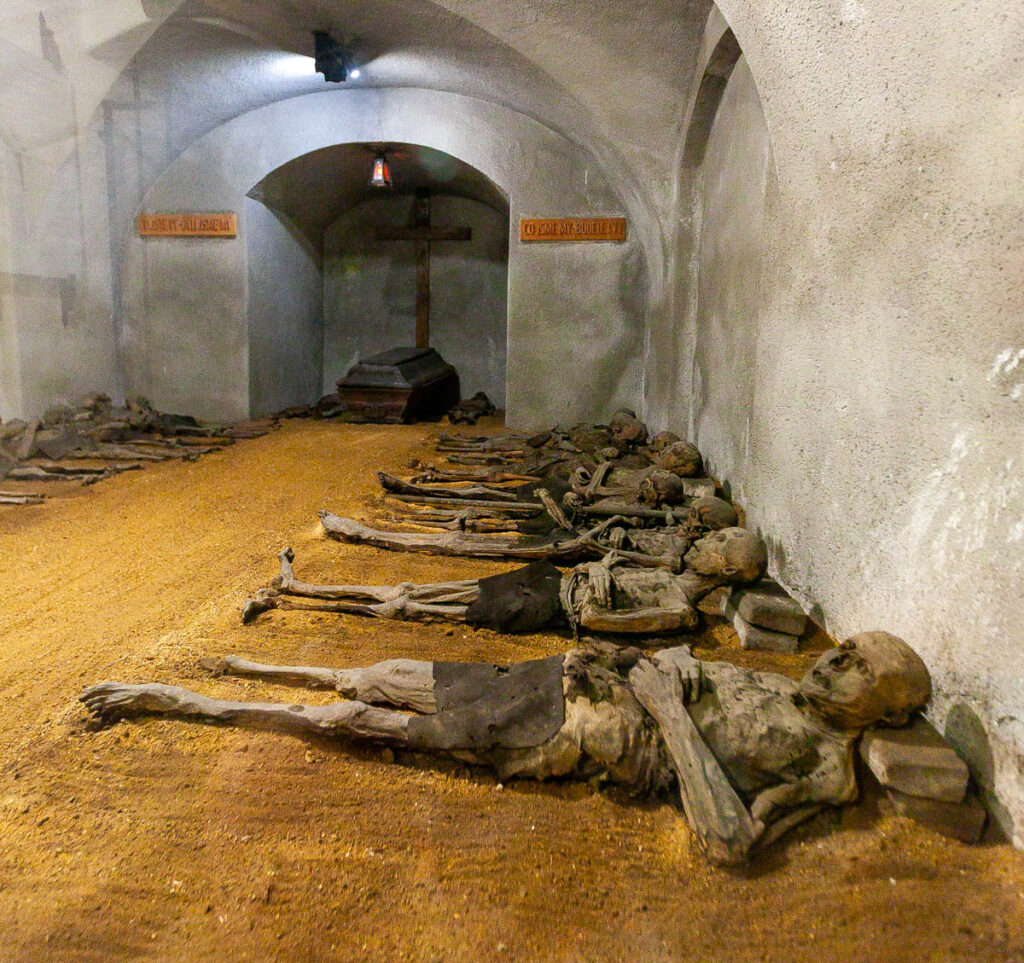
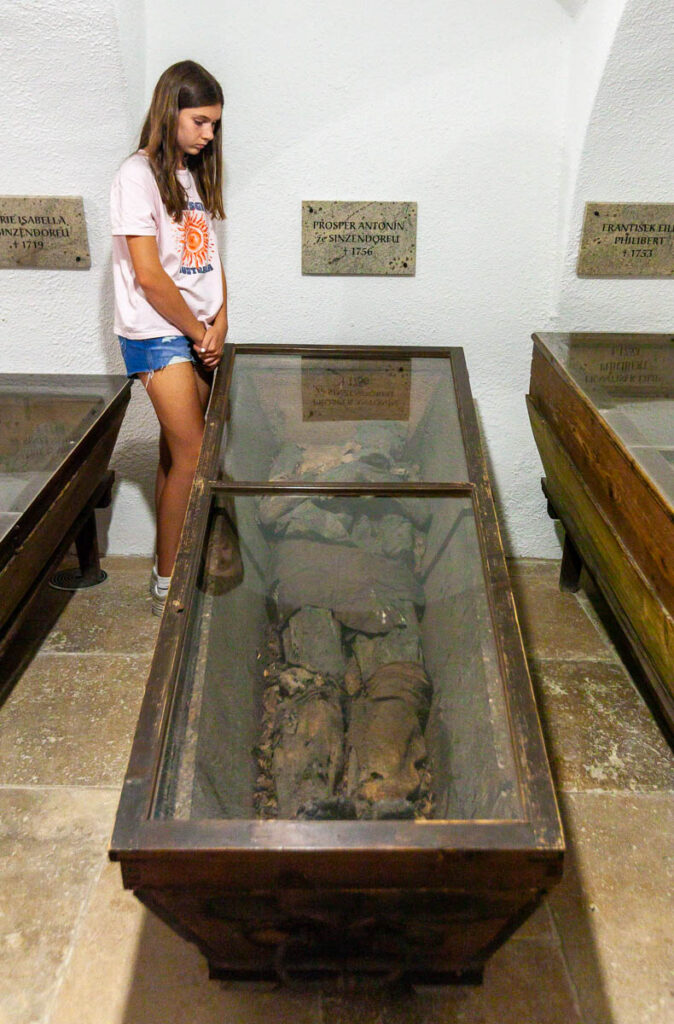
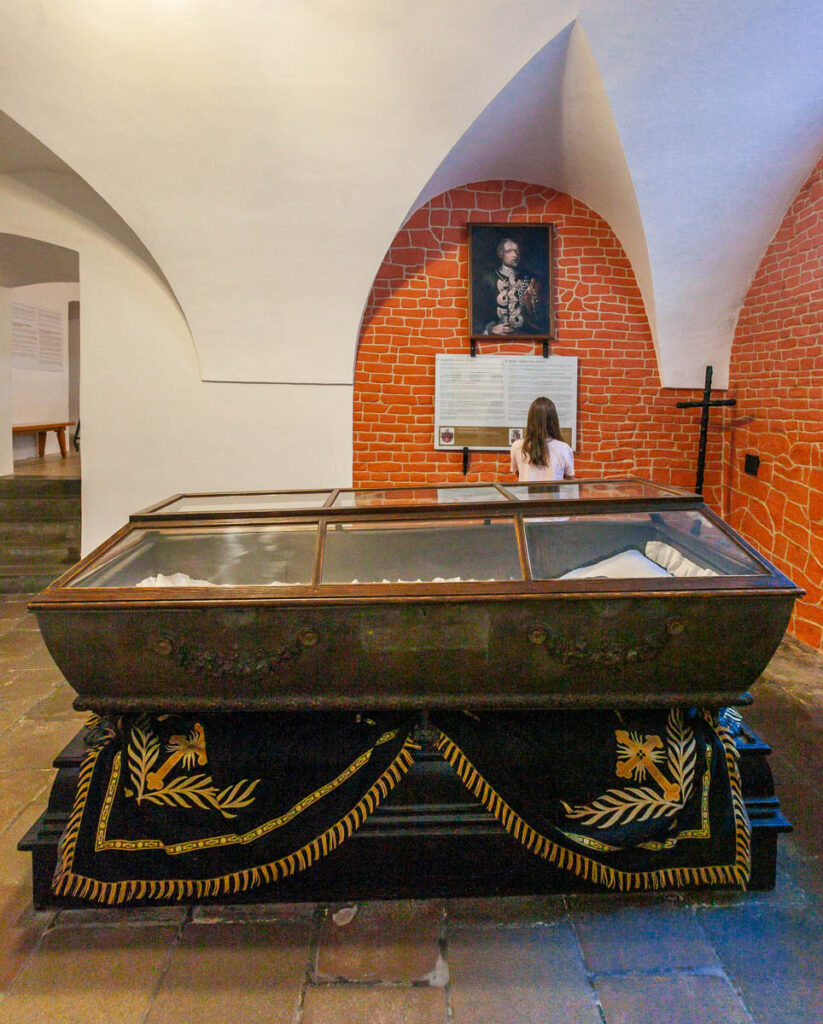
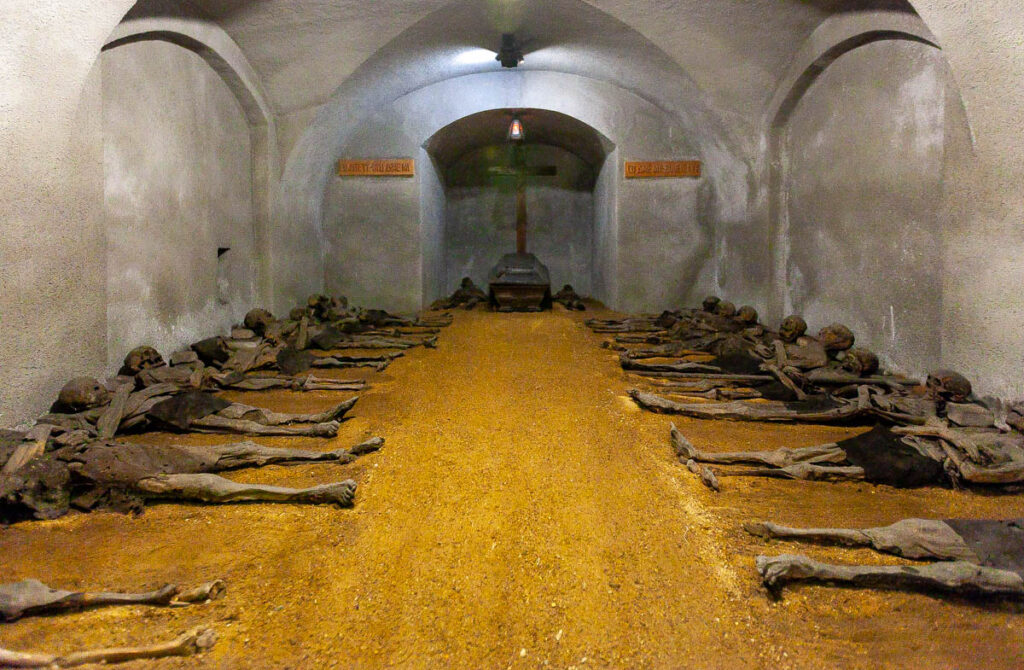
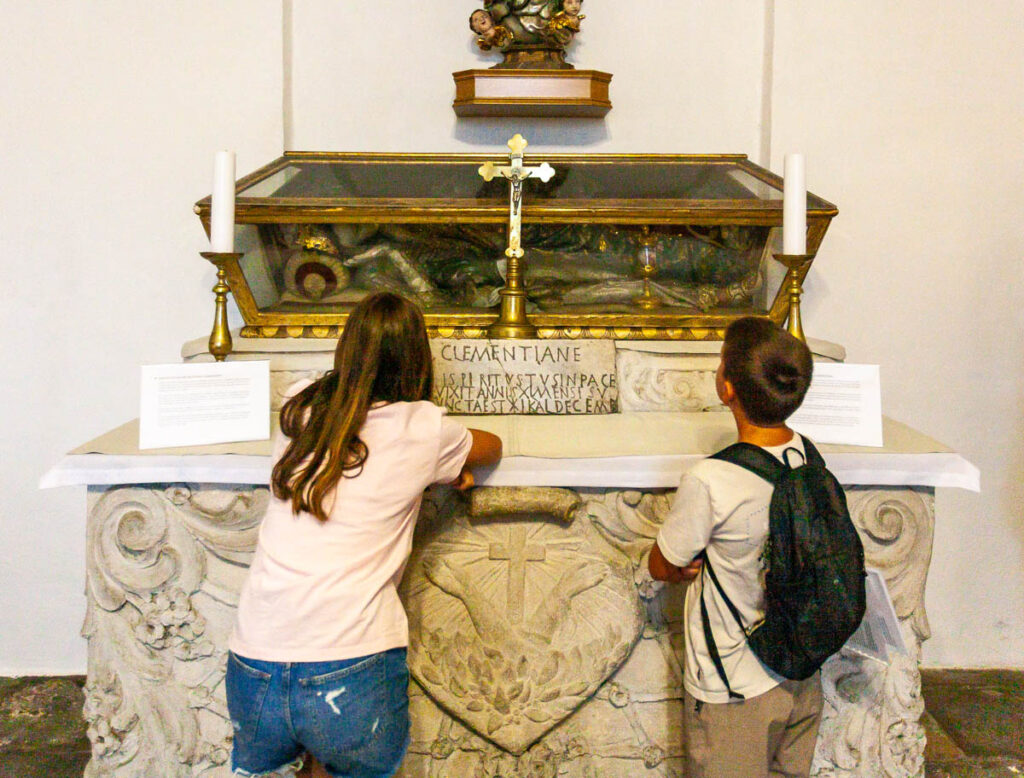
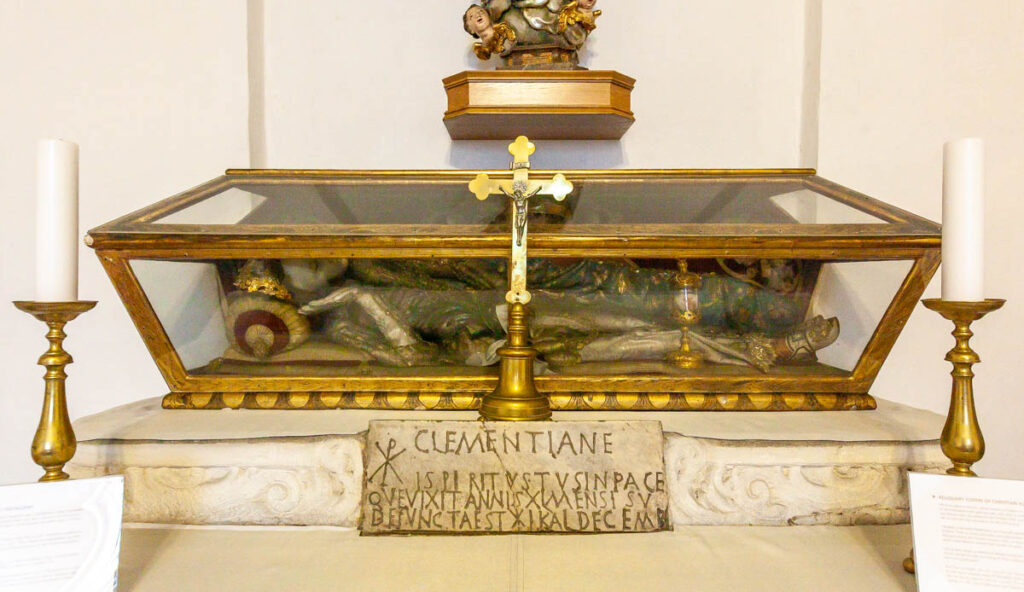
The last of our adventures under Brno was to the crypt below stunning Cathedral of Saint Peter and Paul next to our apartment. The Capuchin monks have been caretakers of Church of the Discovery of the Holy Cross for centuries and have quite a unique approach to death and burial: to reflect their deeply rooted beliefs in humility and simplicity they’ve utilized mummification techniques such as natural dehydration to preserve bodies for centuries. Their goal is to maintain a physical presence of the deceased, reinforcing the connection between life and death. The mummies were quite a sight, with black, leathery skin dried across centuries draped over each skeleton with still intact fingernails and toenails on many of the corpses. The story of Franz Baron von der Trenck (last photo on the left below) was interesting: after being buried in the crypt after his death in 1749 his left thumb was disarticulated for more than 130 years, eventually being located on display in the City Museum of Brno and returned to the monks in 1880. Also pretty incredible was the glass sarcophagus of Saint Clementiane (last photos in the gallery below): she was a Roman noblewoman who died as a martyr during the early Roman Christian persecutions in the fourth or fifth century and was donated to the Capuchin Order in Brno in 1754 (interesting gift…). She was cloaked in an incredibly intricate baroque gown, underneath which her bones were adorned with wax to give the appearance of a body, including a wax mask with glass eyes over her face.
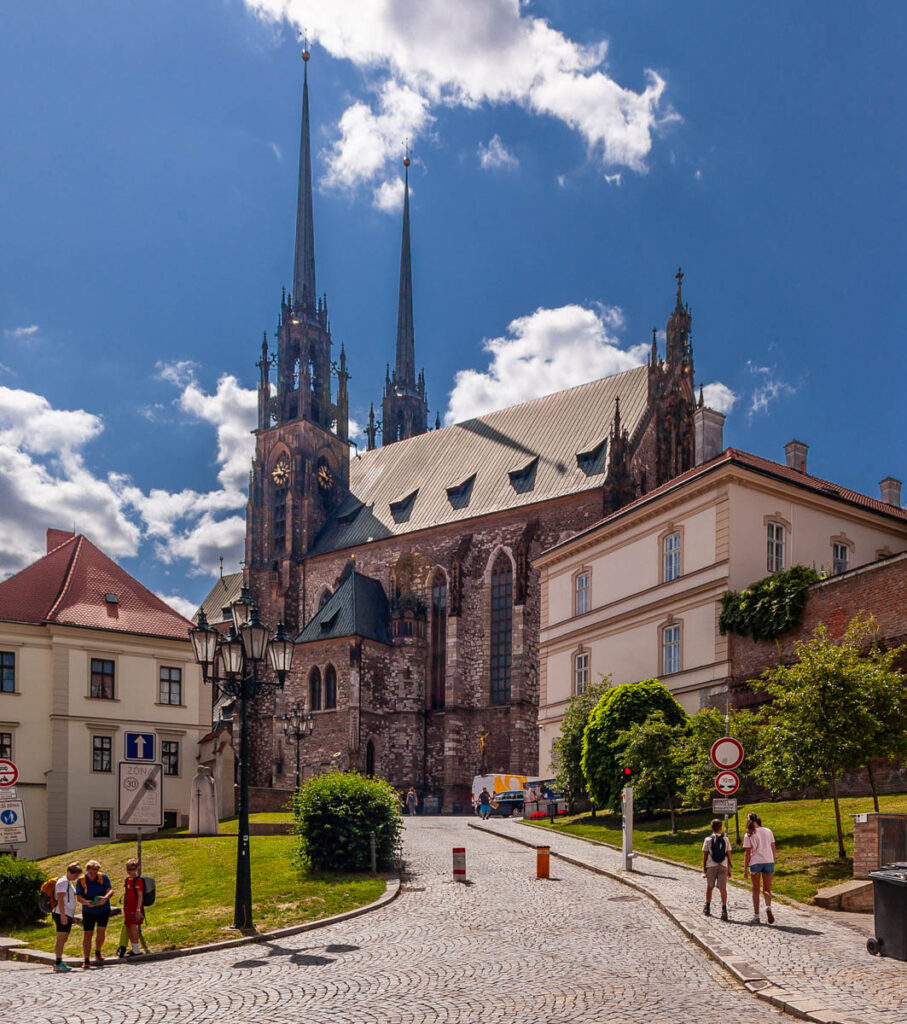
Back to the hustle and bustle next stop: Prague will be our last spot before the wedding next week!
Discover more from The Pink Lemon
Subscribe to get the latest posts sent to your email.
OMG!!! You guys are seeing the European countries, amazing.
Your screen time proves to be most excellent. Your photographs and story supporting them is a delightful journey.
Am, you
What an amazing journey. Once again, I am traveling vicariously through the lenses of your camera and written documentary. I look forward to seeing each new post.